In today’s rapidly evolving technological arena, artificial intelligence is not merely enhancing the engineering profession—it is fundamentally transforming it. Yet, amid this acceleration, a growing number of engineers find themselves grappling with what experts have begun to call “AI fatigue.” This phenomenon extends far beyond simple tiredness; it encapsulates a deeper mental and emotional strain that emerges when innovation outpaces the individual’s capacity to adapt.
Over the last few years, AI has redefined how engineers design, calculate, collaborate, and execute complex projects. Where once innovation cycles unfolded over months or even years, intelligent algorithms now generate optimized solutions in a fraction of the time, automating tasks that were once deeply manual. On the surface, these breakthroughs appear to herald an era of unprecedented efficiency. However, behind the stream of progress lies a quieter, more human story: the exhaustion that stems from relentless adaptation and ever-shifting professional expectations.
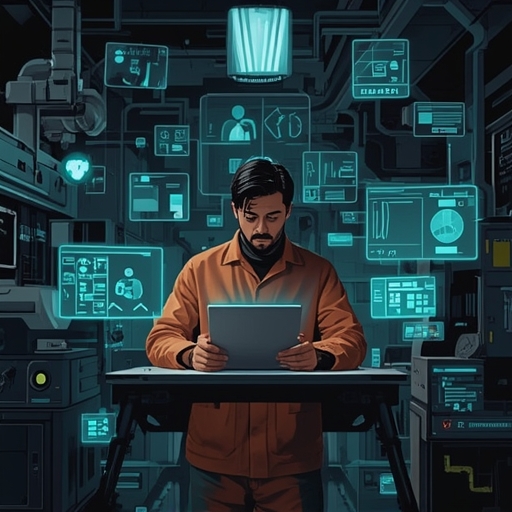
Many engineers report that AI-driven systems have introduced both liberation and pressure. On one hand, these tools reduce repetitive tasks, enabling engineers to focus on creative and analytical challenges. On the other, the constant need to learn, recalibrate, and master new AI frameworks can erode focus and mental stamina. The pace of change, while exhilarating, leaves little room for reflection or restoration. As a result, the very individuals responsible for sustaining technological advancement often feel overwhelmed by its velocity.
This tension between innovation and well-being has pragmatic consequences. Teams that once measured success by creativity and precision now face added expectations of speed and constant upskilling. Leaders striving for competitive advantage may unwittingly create cultures where human adaptability is over-assumed and self-care under-prioritized. Consequently, AI fatigue has surfaced as both a personal struggle and an organizational challenge, one that demands as much empathy as it does strategy.
Companies committed to long-term innovation must therefore recognize that sustainable progress depends on supporting the people driving it. Continuous learning initiatives, balanced workloads, and clear communication about the evolving role of AI can help engineers regain a sense of control and purpose. When organizations invest in both their technical infrastructure and emotional ecosystems, they enable resilience rather than mere endurance.
Ultimately, the question facing the industry is not whether AI will continue to advance—it unquestionably will—but whether humanity can evolve in parallel, preserving creativity and mental clarity along the way. The lesson emerging from this new frontier is clear: innovation achieves its true potential only when those shaping it are equipped, supported, and cared for. Engineers, at the core of this transformation, deserve systems that honor both their genius and their humanity.
Sourse: https://www.businessinsider.com/engineers-are-getting-ai-fatigue-and-you-could-be-next-2026-2