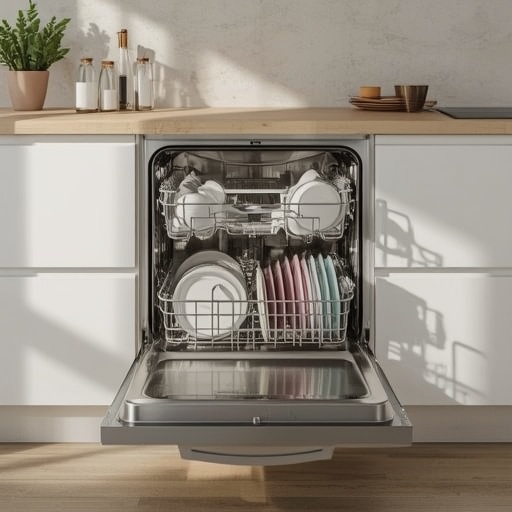
When compiling and evaluating our comprehensive list of the most efficient and dependable dishwashers, every seasoned appliance specialist I consulted consistently identified the same underlying cause behind the majority of repair service calls and warranty claims. While mechanical failures such as burnt-out motors, deteriorating internal components, and gradual loss of cleaning effectiveness are all natural consequences of prolonged wear and demanding usage, experts emphasize that many dishwasher problems stem from a single, frequently overlooked aspect of maintenance—the cleanliness of the filter.\n\nAlthough many users may assume this part requires only occasional attention, it actually demands far more frequent care than most people realize. Understanding why the filter plays such an essential role, how often it should be cleaned, and the proper technique for doing so can dramatically extend your dishwasher’s life span and ensure consistently optimal performance.\n\nThe dishwasher filter may appear to be a small and inconspicuous component, yet it performs several crucial functions that collectively determine both the efficiency and the reliability of the entire appliance. A clean, well-maintained filter helps keep the washing water free of residual food particles and suspended debris, ensures the protection of the water pump from potential blockages, and prevents leftover food fragments from clogging spray arms or drainage pathways. When all these elements remain unobstructed, the dishwasher operates with less mechanical strain, consumes energy more efficiently, and maintains its cleaning capability without unexpected interruptions. In contrast, neglecting the filter introduces unpredictable variables—obstructions, improper drainage, and reduced water flow—that can ultimately cause permanent damage to an expensive kitchen appliance.\n\nTo illustrate, consider an older portable dishwasher that contains no filter whatsoever, such as my vintage Maytag PDC3600AWX. Because it lacks that barrier of protection, I must carefully scrape and pre-clean every single dish before loading it, ensuring that stray bits of food do not circulate through the wash system and compromise performance. This example highlights exactly how critical a filter’s presence and upkeep are for modern machines.\n\nDespite the convenience of a self-cleaning cycle or cleansers marketed specifically for dishwashers—such as Affresh tablets—these methods cannot remove the solid food remnants that accumulate in the filter assembly. Only manual intervention achieves that. To clean your dishwasher filter effectively, start by sliding out the lower rack to reveal the filter assembly at the bottom of the tub. You may need to shift or temporarily lift the spray arm to gain easier access. Once visible, rotate the filter counterclockwise or in whatever direction indicated by your manufacturer to unlock it. Many filters contain two separate parts—an internal cylindrical mesh filter and an outer flat screen—both of which should be removed and washed thoroughly.\n\nRinse each section under running water in your kitchen sink to loosen and clear trapped residue. If stubborn particles or mineral deposits persist, gently scrub with a soft-bristled brush and mild soapy water. Avoid harsh abrasive pads, which can permanently damage the fine mesh or protective coating. Some manufacturers advise drying the filter fully before reinserting it into the dishwasher, but because this component routinely handles moisture and detergents, reinstalling it while slightly damp rarely poses any risk. Finally, ensure the filter is returned to its proper position and turned until it locks securely into place—running a wash cycle without the filter correctly seated can severely compromise the appliance’s function.\n\nDetermining how often to clean the filter depends on usage patterns, but a reliable rule of thumb is to inspect it approximately once a month. If during that inspection it appears relatively clean, no immediate action is required; however, visible debris or unpleasant odors indicate it is time for a thorough wash. Simplify your maintenance routine by setting a scheduled reminder on your phone, calendar, or household chore tracker. Regular inspections not only maintain efficiency but also help you avoid sudden declines in cleaning performance.\n\nYou can further minimize the frequency of filter cleanings by consistently scraping leftover food into the trash before loading dishes. This single, simple habit drastically reduces filter clogs, transforming what could otherwise become a weekly inconvenience into a quick monthly task—even for those who run the dishwasher twice daily. Over time, this practice will save both time and frustration while promoting a cleaner, fresher kitchen environment.\n\nSome manufacturers provide intricate official cleaning schedules that consider how often you run your dishwasher and the amount of pre-cleaning you perform before loading. In truth, the deciding factor behind how quickly a filter accumulates residue almost always comes down to how diligently you remove food scraps in advance. It is far simpler and more water-efficient to scrape your plates than to engage in full pre-washing or to attempt to follow an overly complicated maintenance chart, such as those recommended by certain brands. Remember that unnecessary pre-rinsing wastes significant amounts of water while offering little improvement to actual cleaning results.\n\nManufacturer recommendations for filter maintenance are, unfortunately, anything but consistent. Some companies, such as Bosch and LG, formally instruct customers to check and clean their filters after every dishwashing cycle. Others—including Samsung, Midea, KitchenAid, and Frigidaire—issue vague guidance by merely suggesting that filters be cleaned “periodically” or “as needed.” Even Whirlpool and Maytag, which provide a more specific guideline of cleaning every one to three months, attach disclaimers that the frequency depends entirely on how heavily the dishwasher is used. Strictly speaking, this variability makes sense: a household that runs multiple cycles each day will inevitably accumulate debris faster than a household—like mine—where the dishwasher might operate only once a week.\n\nRegardless of the manufacturer’s approach, one principle remains nonnegotiable: always reinstall the filter after completing your cleaning routine, ensuring it is locked securely in place before starting another cycle. Without it, the internal system is exposed to damage from circulating debris and can quickly malfunction. Fortunately, the entire cleaning process rarely takes longer than ten minutes, even if the filter is heavily soiled. When finished, you can take satisfaction in knowing your dishwasher will run more efficiently, smell fresher, and continue delivering sparkling, spotless dishes for years to come.
Sourse: https://www.cnet.com/home/kitchen-and-household/i-asked-experts-why-dishwashers-fail-a-simple-step-youre-skipping-was-the-top-answer/