Although I have spent most of my life surrounded by the tranquil beauty of Hawaii’s islands, I recently realized that the sense of discovery and wonder that defines travel does not require crossing vast oceans or traversing distant lands. My very first visit to Molokai — affectionately known as the ‘Friendly Isle’ — reminded me that even within familiar horizons, there remain corners of mystery, culture, and unspoiled nature waiting to be explored.
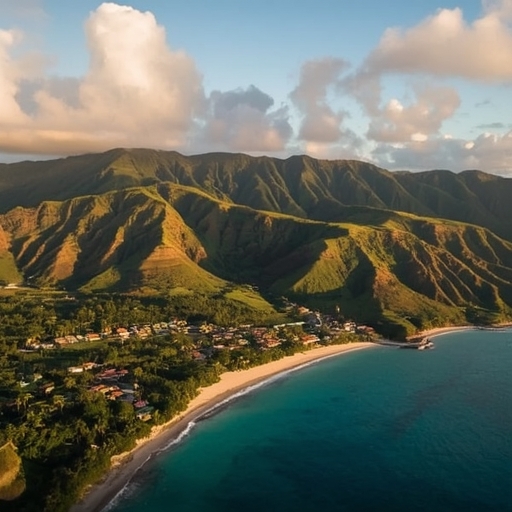
From the moment I arrived, Molokai revealed itself as a place distinctly different from the more frequented Hawaiian islands. The pace of life felt slower, more intimate, and deeply rooted in tradition. The landscape stretched outward with quiet confidence — pristine beaches where footprints faded quickly into soft sand, and rolling green pastures rising toward rugged cliffs that seemed to guard the island’s serene heart. Everything felt intentionally untouched, preserved not by neglect but by an enduring respect for balance and community.
What struck me most was the warmth of the people. The nickname ‘Friendly Isle’ is not a mere slogan; it is lived and reflected in countless small gestures — a wave from passing drivers on narrow roads, conversations with shop owners who take genuine interest in your story, or the spontaneous sharing of local food prepared with unmatched care. There is a welcoming spirit here that feels different from hospitality driven by tourism. It is not about performance but about relationship — a subtle kindness that grows from shared island values.
As I wandered through quiet villages and overlooked endless coastlines, I felt a renewed connection to what it means to call this place home. Molokai is not an island that hurries to impress; it invites you instead to slow down, breathe deeply, and simply exist within its rhythm. The stillness becomes its most eloquent voice. For someone who has long considered Hawaii familiar territory, this realization was humbling — a reminder that true exploration begins the moment we let go of expectations and open ourselves to seeing the ordinary as extraordinary.
In a world saturated with travel designed for spectacle, Molokai offers something profoundly different: authenticity. It asks visitors — and locals alike — to honor the land, the people, and the culture that have kept this island’s spirit alive. It demonstrates that sustainable travel does not mean sacrificing adventure but redefining it through mindfulness and respect. My visit there reshaped my perspective, reminding me that wonder can exist not only in faraway destinations but also in the quiet rediscovery of one’s roots.
Perhaps the greatest revelation of all was realizing that being a local does not preclude being a traveler. Curiosity need not fade simply because the landscape feels familiar. In truth, every shoreline, every mountain trail, and every story told under a Hawaiian sunset continues to evolve — and so do we. Revisiting home with the eyes of a traveler illuminates forgotten beauty and invites gratitude in its purest form.
Molokai reminded me that adventure does not always mean seeking new lands; sometimes, it means deepening one’s awareness of what has always been here. And in doing so, I rediscovered a sense of belonging that felt both fresh and timeless, as if the island itself whispered: home is not something you find — it is something you continue to see anew.
Sourse: https://www.businessinsider.com/visiting-hawaii-friendliest-island-molokai-surprising-things-2026-1