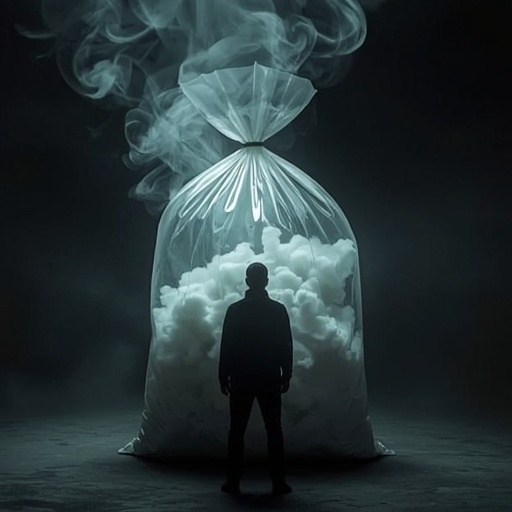
Across the world, dangerous misinformation exploits the fears and hopes of the most vulnerable—particularly those battling serious illnesses. A recently exposed fraudulent scheme has been promoting a so‑called “cancer cure” that relies on plastic bags and industrial‑grade chemicals. This reckless deception is not merely misguided; it places lives at immediate risk. Such pseudoscientific claims often masquerade as alternative medicine, exploiting scientific jargon, emotional appeals, and false testimonials to create the illusion of legitimacy. In doing so, they erode trust in genuine medical expertise and divert desperate individuals away from effective, evidence‑based treatments that could truly improve their outcomes.
The reality is stark: misinformation in the realm of health care kills. Reckless claims presented as hopeful narratives have time and again led patients to forgo professional medical care, delay critical interventions, or ingest substances that are chemically hazardous and physiologically destructive. The human cost of these scams cannot be underestimated. Each false “miracle cure” ripples outward—affecting families who cling to false hope and communities that become further misinformed. Meanwhile, the perpetrators of such deceit profit from human suffering, weaponizing misinformation to manipulate emotion and monetize despair.
For the broader medical and scientific communities, the ethical responsibility is clear. Health professionals must continue to champion evidence‑based medicine and ensure that information reaching patients is grounded in rigorous research, peer review, and verified data. Collaboration between clinicians, scientific communicators, and fact‑checking organizations is essential in dismantling pseudoscientific narratives before they take root. Public education campaigns must emphasize not only what is false, but why it is false—empowering individuals to recognize red flags, question unverified claims, and consult reputable sources before making decisions about their health.
The power of trust in science has never been more vital. In an age where false cures spread through social media faster than peer‑reviewed studies reach the public, society must uphold scientific literacy as a cornerstone of public health. Each of us—whether a researcher, a physician, or a concerned citizen—has a role in elevating truth over trend, compassion over exploitation, and fact over fear. True hope lies not in pseudoscience or chemical illusions but in continuous human innovation, transparent research, and evidence‑driven progress. Protecting vulnerable patients from such deceit is not merely a duty—it is an affirmation of our shared humanity and the enduring value of truth.
Sourse: https://gizmodo.com/this-fake-cancer-cure-has-people-go-naked-into-a-big-plastic-bag-then-gasses-them-with-industrial-bleach-2000774830