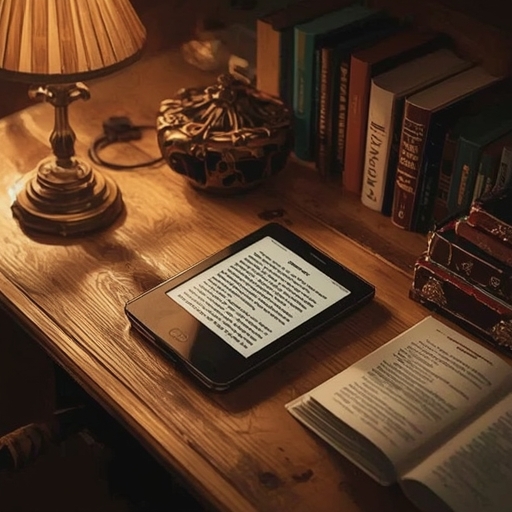
Amazon’s recent announcement that it will discontinue support for all Kindles manufactured before 2012 marks a poignant turning point in the evolution of digital literature. The decision encompasses some of the most iconic devices ever produced by the company – most notably the original Kindle Paperwhite, a pioneering model that redefined the way millions engaged with books in the early days of e‑readers. Beginning in 2026, these trailblazing devices, once symbols of innovation and the promise of an all‑digital library, will officially cease to receive updates or access to certain online services, gradually transitioning from functional tools of convenience to nostalgic artifacts of technological history.
For countless readers, the move signifies more than a mere technical update; it represents the ceremonial closing of a chapter in modern reading culture. When the first Kindle Paperwhite debuted, its softly illuminated screen and lightweight design transformed bedtime reading habits and reshaped the entire publishing ecosystem. These early models, while limited in performance by today’s standards, offered an elegance of simplicity — a single purpose executed with precision: to deliver the written word clearly and comfortably, without the distractions of the wider digital world.
The discontinuation of support also serves as a quiet but powerful reminder of the relentless pace of innovation within consumer technology. Devices that once defined cutting‑edge reading experiences now stand as reminders of how swiftly progress moves forward, urging users to adapt and migrate to newer models with enhanced displays, extended battery life, and deeper integration with Amazon’s cloud ecosystem. Yet even as the company prepares to phase out these early e‑readers, many owners remain attached to them, valuing their efficient design, physical buttons, and lack of superfluous features that modern versions sometimes dilute.
From a broader perspective, Amazon’s decision mirrors a universal truth in the tech world: longevity, though treasured, eventually yields to progress. Each generation of the Kindle has not only improved technically but also redefined the very notion of what it means to read digitally — from monochrome displays to adaptive front‑lighting, from local file storage to seamless cloud‑based libraries. This progression, while framed as advancement, inevitably leaves behind the devices that made such evolution possible.
For readers still holding onto their original Paperwhite or earlier Kindle models, 2026 will mark the beginning of a gentle farewell. These devices, with their iconic matte screens and minimalist designs, will no longer serve as everyday companions but as tangible keepsakes of a time when carrying thousands of books in one’s hand first became a thrilling reality. In many homes, they will remain tucked into bedside drawers or displayed proudly on shelves — quiet tributes to a revolution that irrevocably transformed how humanity consumes written stories.
Ultimately, this end of support is not simply the retirement of old hardware, but the preservation of legacy. The earliest Kindles carved a path that enabled the global e‑reader movement, democratized access to literature, and reimagined what reading could be in the digital era. As users transition to newer devices, they do so standing on the shoulders of these early innovations — a fitting acknowledgment that even in obsolescence, those pioneering Kindles remain timeless contributors to the narrative of technological and cultural progress.
Sourse: https://www.businessinsider.com/amazon-older-kindles-paperwhite-2026-4