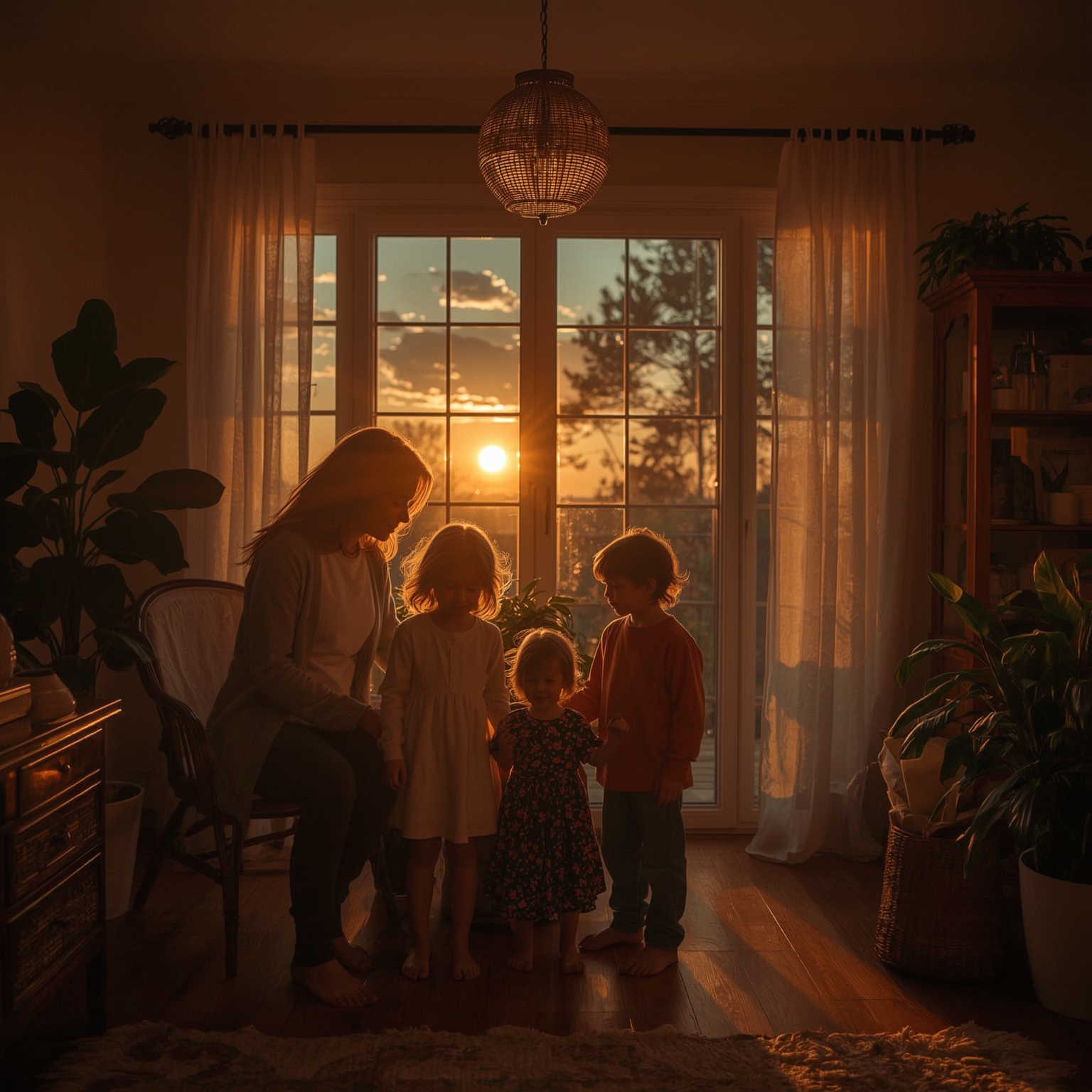
In August of 2019, the trajectory of my life changed dramatically when my ex-husband made the decision to move out of state. Overnight, I found myself entirely responsible for the care, upbringing, and emotional well-being of our two young sons—who at that time were only two and five years old. Suddenly, the familiar dynamics of shared parenting evaporated, leaving me to navigate every sleepless night, every tantrum, and every quiet bedtime story on my own. I remained with my children in the same three-bedroom ranch house that my ex-husband and I had purchased before the birth of our second son. Within those walls, I did my best to build a sense of consistency and security for all of us amid the deep uncertainty that followed our separation.
The house itself became a silent witness to every chapter of that period—a keeper of memories, both tender and painful. It absorbed the echoes of our marriage’s unraveling and subsequently transformed into a multipurpose space during the pandemic, doubling as a schoolhouse for my kids while simultaneously serving as the headquarters for the marketing agency I built from my kitchen table. Yet, despite my efforts to fill the rooms with new meaning and momentum, an undeniable void lingered. Every corner seemed to whisper remnants of a life that no longer existed. What was harder still was the relentless, invisible labor of single parenthood—the constant mental checklist, the emotional toll, and the physical exhaustion that came with never having anyone else to turn to when the responsibilities became overwhelming.
One frigid morning in early 2022, as I dragged the garbage cans down the icy driveway, a simple yet profound realization surfaced: I could not continue living that way. That moment of exhaustion crystallized into a decision. What started as a half-playful, half-despairing text message to my mother and stepfather—“What if the boys and I moved in until I figured things out?”—soon evolved into a catalyst for transformation. I could not have predicted it at the time, but that impulsive message would eventually open the door to one of the most unexpected and rejuvenating fresh starts of my life. Moving from a state of daily survival toward something approaching real stability wasn’t immediate, but it had begun.
Initially, I struggled with embarrassment and self-doubt. A part of me feared that outsiders might interpret my move back home as a symbol of failure, as though returning to my parents’ house somehow meant that I had regressed rather than progressed. The truth, however, was more nuanced. My decision wasn’t rooted in financial necessity—technically, I could still afford the mortgage, utilities, and day-to-day costs of maintaining the house. Rather, it was emotional and practical fatigue that drove me. The silence of my evenings after the children were asleep had grown heavy; the solitude once meant to be peaceful now carried a weight that I could no longer bear.
By March, my sons and I relocated to my childhood home. My mother and stepfather occupied the downstairs space, while we settled upstairs, into the same three bedrooms and single bathroom that had defined my formative years. The process of moving in was its own kind of healing ritual: we removed outdated furniture, laid down new rugs, and curated a cozy blend of heirloom family items and modern touches. In my own room, I placed my childhood bed with crisp new sheets and hung a mirror gifted to me by my sister. That mirror quickly became a quiet symbol—reflecting not only my physical image each morning but also the resilient, evolving version of myself that was emerging through this transition.
Living again under the same roof as my family fundamentally changed what it meant to parent alone. The invisible labor that had once consumed every waking hour of my life—juggling homework help, dinner preparation, household chores, and the emotional management of two energetic boys—suddenly became lighter. To anyone who has ever tried to stir a pot of soup while refereeing sibling squabbles and folding laundry simultaneously, the sense of overwhelm is easy to recognize. When you are the only adult in the room, there is no opportunity to pass the baton, no relief in sight. But everything shifted once we became part of a shared household. My stepdad began preparing dinner nearly every evening, infusing mealtimes with warmth and routine. My mother made sure there was always fresh fruit in the kitchen and thoughtful snacks waiting for the boys after school. We divided household and financial responsibilities in ways that felt balanced—splitting bills logically, sharing grocery errands, and occasionally treating each other to takeout simply for the joy of communal living.
One of the greatest gifts of this arrangement wasn’t tangible at all. It came from what I no longer had to pay—no rent, no mortgage—which provided a newfound sense of financial freedom. That breathing room allowed me to reinvest the profits from selling my old house into the startup I co-founded with my sister. Without that family support system, the balance between building a business, maintaining a flexible schedule, and being an attentive mother would have been nearly impossible. This partnership with my family did not only sustain me—it empowered me.
My children, too, have flourished in unexpected ways. Having grown up close to my own grandparents, I find deep emotional satisfaction in watching my sons develop their own unique bonds with theirs. My stepdad has become the go-to fixer of broken toys, patiently mending what little hands have unintentionally damaged. He and the boys now share beloved traditions during holidays—rituals that strengthen the sense of belonging that every child craves. My mother, ever thoughtful and creative, ensures that their imaginations are nourished with art supplies, costumes, and materials for whatever school project or spontaneous idea strikes. In the evenings, she engages them in long, thoughtful conversations about science, history, and the world—subjects I, after long workdays, sometimes struggle to discuss with enthusiasm.
Surprisingly, the most challenging part of moving back home was not the physical relocation but the emotional surrender required to ask for and accept help. Years of solo parenting had conditioned me to operate from a mindset of fierce independence. I had equated self-sufficiency with strength for so long that allowing my parents to step in felt almost unnatural, as though I were relinquishing control. But over time, I came to understand that accepting help did not diminish me as a mother—it enriched me. It made me stronger, more patient, and better equipped to be the parent my children needed. Through that experience, I learned firsthand that true resilience does not come solely from standing alone; sometimes, it is forged through the courage to lean on those who love you most.
Sourse: https://www.businessinsider.com/mom-kids-move-in-with-parents-after-divorce-multigenerational-living-2025-10