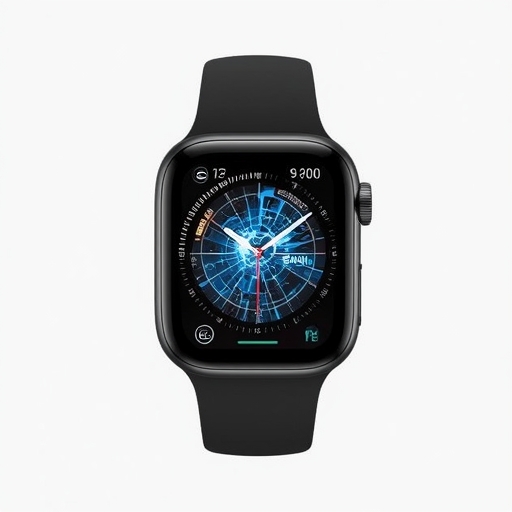
Google’s recent decision to enhance Fitbit’s artificial intelligence health coach by granting it the capability to review and interpret users’ medical records represents a significant step forward in the integration of intelligent systems within personal healthcare. This advancement is designed to provide a new level of precision and customization in fitness and wellness recommendations, bringing to users insights that draw upon the depth of their documented medical history rather than relying solely on generic data such as step counts or heart rate monitoring.
The intention behind this initiative is to create an AI-driven companion capable of understanding not just surface-level fitness goals but also the broader context of an individual’s health. By analyzing clinical information, past diagnoses, prescriptions, and medical outcomes, the AI coach could hypothetically deliver advice that is far more specific and relevant—offering personalized exercise programs, dietary guidance, or preventative alerts based on potential risk factors identified in a person’s health record. It signals a shift from reactive to proactive digital health management.
However, this level of data integration also amplifies pressing ethical and privacy-related considerations. Many users may understandably question how much of their personal medical data they are willing to entrust to an algorithm powered and maintained by a large technology conglomerate. While Google promises strong safeguards and anonymization measures, the concept of an AI system reading intimate medical details poses concerns about consent, security, and the future use of such data. The challenge lies in balancing innovation and protection: how can technology deliver precision health insights without compromising an individual’s right to privacy?
This development reflects a broader crossroads in digital health. Artificial intelligence continues to influence the landscape of wellness, diagnostics, and preventive care, offering unprecedented efficiency and insight. Yet, as these systems grow increasingly involved in analyzing human health, society must decide where boundaries should be drawn. The crucial question remains: how can we embrace the potential of AI-enabled personalization while ensuring that privacy, ethics, and data transparency remain uncompromised? Fitbit’s enhanced AI coach embodies both the promise of transformative healthcare and the ongoing debate over who should control the most sensitive aspects of our personal information.
Sourse: https://www.theverge.com/ai-artificial-intelligence/897250/fitbits-ai-health-coach-reads-medical-records