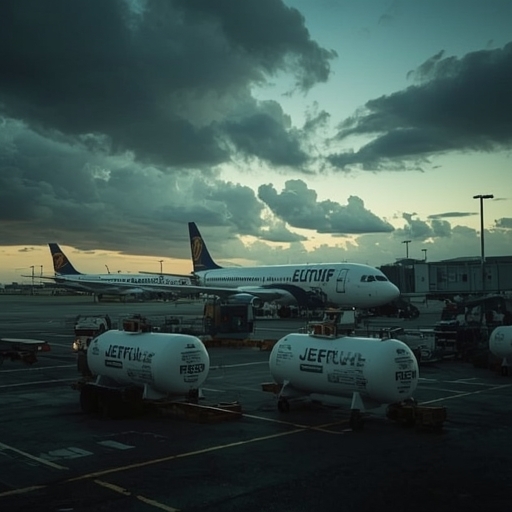
As international tensions continue to escalate due to the ongoing conflict in Iran, the aviation industry is facing a crisis that extends far beyond air routes and passenger itineraries. Airlines across the globe are encountering serious logistical challenges brought on by a rapidly tightening supply of jet fuel combined with a dramatic surge in prices. These two factors are converging to create an environment where flight cancellations, operational disruptions, and scheduling chaos are becoming increasingly common.
The shortage of jet fuel is not merely a localized supply issue—it reflects the intricate interdependence of global energy markets and transportation systems. When a region central to oil production becomes unstable, the ripple effects are felt in airports thousands of miles away. Airlines that operate on tight margins and stringent scheduling protocols must suddenly recalibrate operational strategies, often grounding aircraft, rerouting cargo, or consolidating flights to conserve limited resources. This chain reaction disrupts both passenger travel and global logistics, revealing how fragile modern aviation networks can be under geopolitical strain.
For travelers, the implications are significant. Passengers may experience unexpected cancellations, extended layovers, and unpredictable schedule alterations. Advanced trip planning has become increasingly complex, as airlines are unable to guarantee long-term reliability amid fluctuating fuel costs and uncertain availability. Similarly, the supply chain that supports air freight—critical for industries ranging from pharmaceuticals to technology—faces delays that cascade into broader economic consequences.
Beyond the immediate travel disruptions, the crisis underscores the vulnerability of an industry that depends heavily on fossil fuels and global stability. The rising fuel prices highlight the delicate balance between energy policy, international diplomacy, and economic sustainability. In the long term, this challenge may accelerate the sector’s push toward more efficient, sustainable fuel alternatives and operational innovations designed to reduce dependency on volatile supply chains.
In essence, the turbulence shaking commercial aviation today is not limited to the skies—it reflects a deeper, systemic strain linking global conflict, energy security, and the fundamental structure of modern mobility. As the conflict in Iran continues, airlines, travelers, and businesses alike must prepare for a prolonged period of volatility that tests the resilience of international transportation as a whole.
Sourse: https://www.businessinsider.com/airlines-cancel-flights-rising-jet-fuel-prices-shortage-iran-2026-4