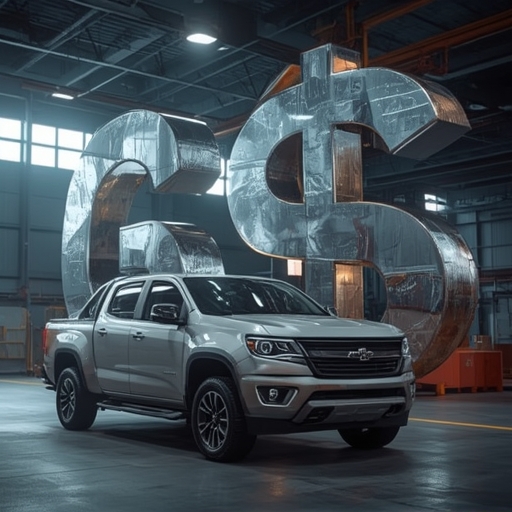
Ford Motor Company, one of the most iconic figures in the global automotive landscape, is increasingly grappling with the multifaceted consequences of sustained trade tariffs and persistent disruptions within the international supply chain. These escalating economic pressures have not only amplified production costs—particularly for flagship models such as the F-150, which has long stood as a symbol of American engineering prowess and consumer loyalty—but have also placed immense strain on both domestic and international suppliers that fuel the manufacturing ecosystem.
Automotive producers across the sector now find themselves in a delicate and often precarious position. On one hand, they are striving to uphold efficiency and profitability amid unpredictable market forces; on the other, they must adapt to trade policies that continue to redefine the cost structures of essential materials such as steel, aluminum, and semiconductors. The cumulative effect of these tariffs reverberates throughout every stage of production, impacting procurement timelines, supplier negotiations, and the final retail price borne by consumers.
Ford’s predicament therefore mirrors the broader challenges faced by the American manufacturing sector as a whole. The intertwined nature of global commerce makes it nearly impossible for any major automaker to remain immune to such economic turbulence. As a result, industry leaders are urgently appealing for relief measures and policy reassessments that might restore stability and encourage renewed investment in domestic production capabilities.
The current environment also underscores a deeper and more nuanced tension between trade policy, industrial innovation, and sustainable economic growth. Government actions intended to protect local industries can, paradoxically, burden the very enterprises they aim to support if cost structures become untenable. For a company like Ford, balancing these forces demands not only operational resilience but also creative strategic foresight—investing in technology, diversifying supply networks, and reimagining manufacturing efficiency to withstand future disruptions.
Ultimately, this complex scenario highlights the underlying vulnerability of an industry that has long served as the backbone of American economic identity. The question looming over automakers today is not simply whether temporary relief will arrive, but whether the entire ecosystem can recalibrate itself to thrive within a shifting geopolitical and economic framework defined by interdependence, competition, and relentless change.
Sourse: https://www.wsj.com/economy/trade/ford-asks-trump-administration-for-relief-as-tariffs-pummel-f-150-b6e76fed?mod=pls_whats_news_us_business_f