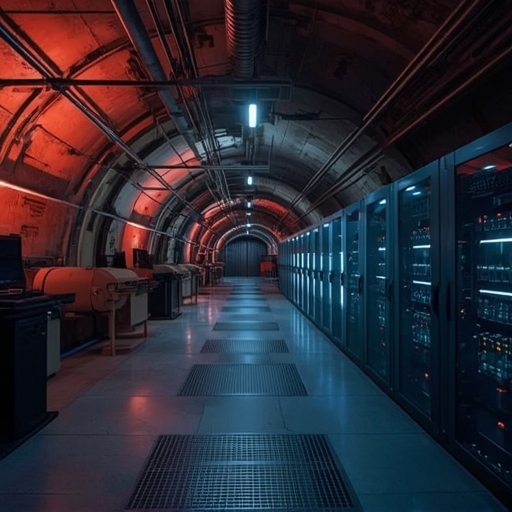
In the midst of escalating concerns about cybersecurity, geopolitical stability, and the constant hunger for digital storage, once-dormant Cold War missile silos and abandoned subterranean mines are being repurposed into some of the world’s most secure data centers. What were originally engineered as fortresses of nuclear deterrence, built to withstand unimaginable blasts and sustain life far beneath the surface, are now being transformed into sanctuaries for data — the new strategic resource of the modern age.
These colossal structures, buried deep in bedrock and encased in reinforced concrete, offer unparalleled physical protection. Their isolation makes them naturally resilient to both environmental catastrophes and human threats, while their stable underground temperatures reduce energy demands for cooling the thousands of servers stored within. It’s a marriage of historical military ingenuity and cutting-edge digital infrastructure, creating spaces that merge security, sustainability, and symbolism in remarkable ways.
Tech firms investing hundreds of millions of dollars into these conversions view them not merely as practical solutions, but as statements of technological evolution. The same bunkers that once symbolized division and destruction have become new monuments to global interconnection and progress. Walking through these revamped corridors reveals an extraordinary juxtaposition — cables and LED lights gleaming against the weathered steel doors once designed to seal off a nation’s last defense.
As the digital era redefines resilience, these subterranean fortresses remind us that innovation often builds upon the relics of the past. History’s hidden depths are becoming the foundation for the world’s digital future — proving that even structures conceived for war can be reborn to serve peace, progress, and the preservation of knowledge in an uncertain world.
Sourse: https://www.businessinsider.com/inside-350-million-missile-silo-that-could-become-data-center-2026-4