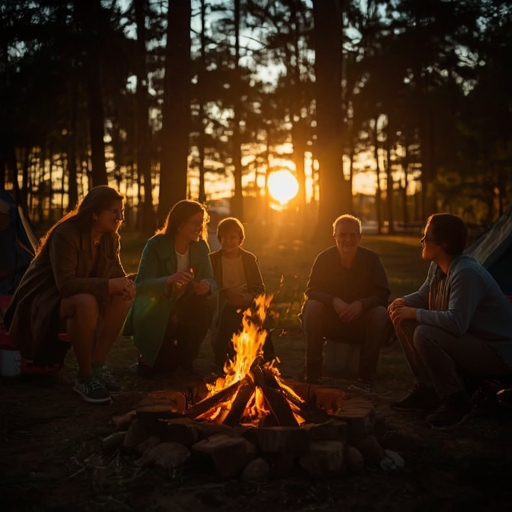
My parents and grandmother made the long trip to attend my university graduation, a journey that required more than five and a half hours of driving from the small hometown where I grew up to the bustling city where I had spent the last few years studying. To many, such a distance might seem manageable, yet for us—considering the compact geography of the United Kingdom—it was viewed as quite an undertaking. What made their arrival truly momentous, however, was not merely the 320-mile drive, but the significance behind the event itself: I was the very first person in our family to earn a university degree, a milestone that carried with it a sense of pride and generational achievement.
When I stepped onto the stage, dressed in the traditional cap and flowing gown, and accepted my diploma from the chancellor’s hand, I caught sight of my family’s radiant faces in the crowd. Their smiles were wide and uncontainable, their expressions a blend of joy, relief, and astonishment. That moment—frozen in my memory—epitomized years of perseverance and hope. Afterwards, we gathered on the sunlit lawn outside the auditorium, posing for photographs that would later fill family albums. We lingered over light refreshments, engaging in cheerful conversations with my professors, who offered warm congratulations and advice as I prepared to cross the threshold between student life and adulthood.
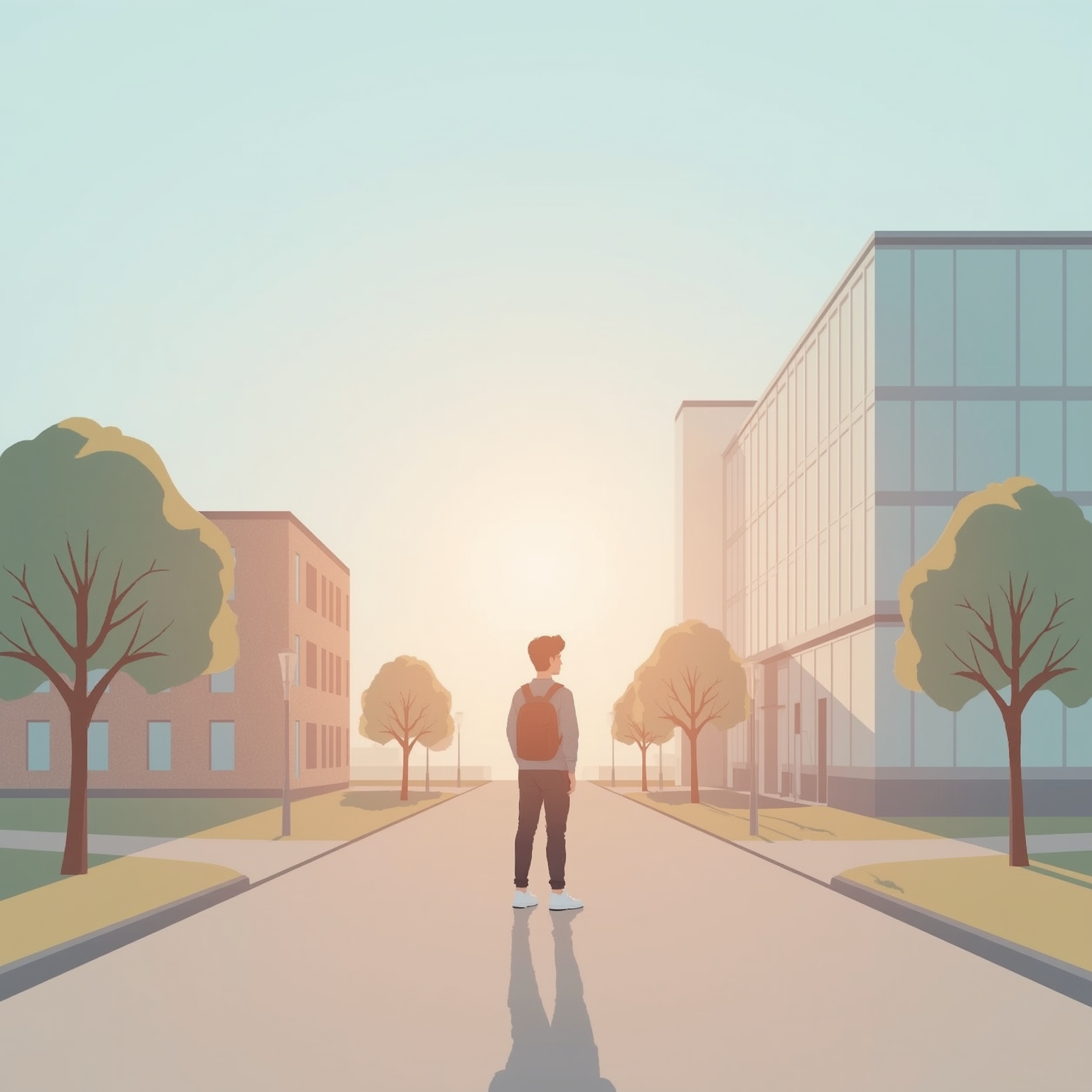
Yet even as laughter filled the air, an unexpected heaviness began to form in my chest. Within hours, after the festivities had ended and the crowds dispersed, I was already grieving the life I was leaving behind. Less than a day later, seated in the back of our family car as it carried me home, I pressed my forehead against the cool glass of the window and silently cried so that my grandmother wouldn’t notice my tears. My belongings—spanning the entirety of my young adulthood—were piled into the trunk, symbols of the transition now unfolding. The true weight of my sadness sprang from the knowledge that I was already missing the friends with whom I had shared the last three years of discovery, challenge, and growth. A few of them had secured jobs in the same city, while others had enrolled in postgraduate programs. But many of my closest companions were scattering across the country, some chasing opportunities in England’s teeming metropolises like London, and others—like me—returning to their hometowns.
Alongside my melancholy, I began experiencing a growing anxiety that I struggled to articulate. The comforting routines that had structured my existence—lectures, deadlines, late-night study sessions, and a shared sense of purpose—were suddenly gone. I caught myself wondering how I would manage without the familiar energy of campus life or the intellectual rhythm of classes that had given my days such meaning. In an attempt to calm my nerves, I told myself to remain pragmatic and optimistic; after all, everyone faced this inevitable passage into independence. Yet, the reality of adulthood proved far less forgiving than I had anticipated. The long-idealized world of self-sufficiency demanded resilience and direction, two qualities I wasn’t entirely sure I possessed.
At that point, I didn’t have a concrete professional path waiting for me. My ambition was to become a journalist—an aspiration that had shaped much of my academic focus—but I knew it was an extraordinarily competitive field, particularly for someone without connections or prior experience. The notion of securing a well-paid job straightaway felt distant, even unrealistic. I was eligible for unemployment benefits, but queuing in what was colloquially known as the “dole line” filled me with deep embarrassment. Accepting financial assistance, though necessary, seemed like a personal failure, a public acknowledgment of my instability. Fortunately, that bleak chapter did not drag on indefinitely. Before long, I found occasional part-time work, taking on roles as a waitress and a shop assistant. Though these jobs offered erratic hours and wages that barely reached the legal minimum, they restored a measure of self-respect and gave routine back to my days.
There were still discouraging stretches when I sat in my childhood bedroom—the same modest space where my academic dreams had first taken root—and felt as though I had come full circle without any tangible progress. The journey that had once promised adventure and purpose now seemed to have looped back on itself, trapping me in the very environment I had hoped to outgrow. Those months were among the most difficult of my life, marked by a pervasive sense of aimlessness and self-doubt. Nevertheless, hope did eventually resurface. When I began staying with my elder sister and her roommate at their flat, a change of scenery offered renewed motivation and emotional comfort. Surrounded by people who believed in me, I found the strength to start applying more earnestly for trainee reporter positions.
To my immense relief, my persistence paid off: I received interviews for a few entry-level journalism roles, including one situated roughly seventy miles from my hometown. Although nervous, I felt a surge of optimism that I hadn’t felt in months. The editor-in-chief at one publication invited me to spend a trial week working within the newsroom so they could evaluate my performance firsthand. The experience was daunting but exhilarating; every task tested my composure and adaptability, but I managed to prove myself. When they offered me the position, I could scarcely believe that the long-anticipated break had arrived at last. My father, always quietly supportive, drove me to my new accommodations. This time, as the car carried me away from home again, I gazed out the window not with tears but with anticipation, ready at last to begin building the life I had envisioned for so long.
Sourse: https://www.businessinsider.com/felt-lost-returning-parents-home-after-graduating-college-2025-10