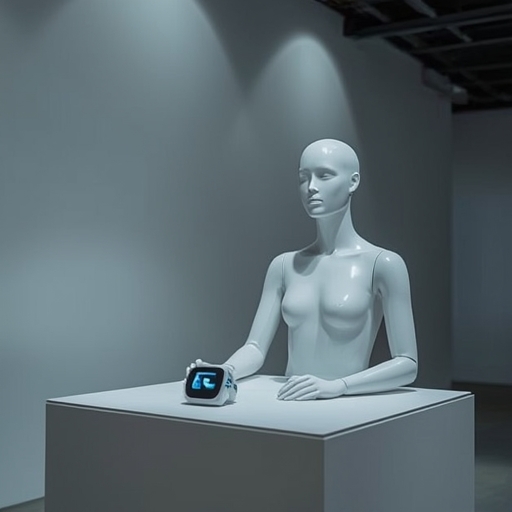
Several years ago, an unusual and undeniably humorous wellness gadget made waves at the Consumer Electronics Show (CES). Nicknamed the “taint bandaid,” the device entered the public eye as a tongue-in-cheek innovation that sat somewhere between satire and serious biohacking. While it initially provoked laughter and curiosity in equal measure, it also symbolized CES’s ability to spotlight boundary-pushing ideas — even those that seemed outlandish at first glance.
Now, in a striking leap forward, that same eccentric concept has undergone a radical transformation. The reinvented version, aptly titled the “taint zapper,” represents not just a name change but a technical and conceptual evolution. What began as a wellness-themed novelty has matured into a legitimate piece of modern wearable technology. Engineered to demonstrate advancements in health monitoring and precision stimulation, this upgraded design underscores how far material science, miniaturized electronics, and personal health devices have progressed in just a few short years.
This metamorphosis — from crude prototype to refined consumer-ready product — epitomizes the relentless pace of technological innovation. It illustrates how yesterday’s viral oddities can become tomorrow’s sophisticated tools. In fact, CES has long been a proving ground for exactly this kind of evolution: strange inventions that break through conventional expectations, challenge public perception, and often pave the way for entirely new markets within the tech sector.
The story of the “taint zapper” reminds us that innovation rarely follows a predictable path. Serious progress sometimes originates from laughter, skepticism, or playful experimentation. The boundary between absurdity and brilliance, especially in wellness and personal tech, can be surprisingly thin. As consumer interest in biofeedback wearables, microcurrent therapy, and personalized optimization continues to rise, products like this highlight an important truth — that a willingness to experiment, even with controversial ideas, often becomes the spark that drives meaningful advancement.
Ultimately, the journey from “bandaid” to “zapper” reflects more than a quirky headline. It’s a case study in creative courage: the ability to reimagine a fringe innovation into something that aligns with genuine wellness objectives and technological sophistication. Whether celebrated as visionary or ridiculed as eccentric, such products capture the fundamental spirit of CES — an arena where daring imagination meets rapid innovation, and where the future of personal technology is often born from ideas that no one initially takes seriously.
Sourse: https://www.theverge.com/tech/855841/ces-2026-mor-morari-inc-taint-zapper-sex-tech-wearables