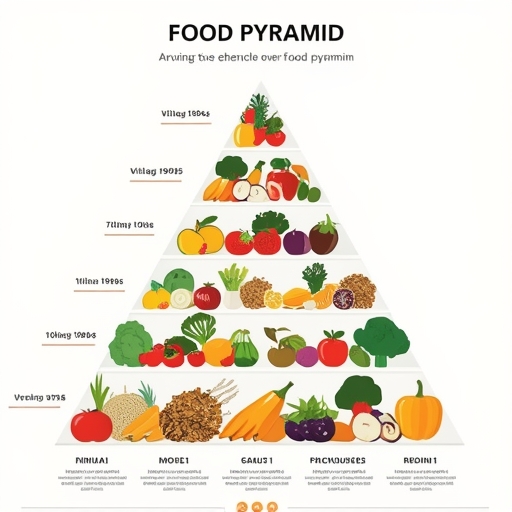
For decades, the concept of what constitutes a balanced diet has been symbolized through the image of the USDA food pyramid—a familiar diagram that once guided millions toward healthier eating habits. Yet, this once‑groundbreaking model has undergone profound transformation as our understanding of nutrition science, lifestyle, and wellness priorities has expanded. Today’s contemporary version of the pyramid reflects not only technological and scientific progress but also a new awareness of how food choices affect both the human body and the planet as a whole.
The classic food pyramid, introduced in the early 1990s, organized dietary categories into a simple hierarchy: grains formed the base, followed by fruits and vegetables, then proteins and dairy, with fats and sweets reserved for limited consumption. This image, memorable and easy to interpret, emphasized quantity and general proportions rather than the quality or origin of foods. Over time, however, nutritionists and public health experts began to critique its design, arguing that not all carbohydrates, fats, or proteins are created equal. Whole grains, for instance, influence the body differently than refined ones; healthy fats from olive oil, nuts, and avocados support heart health in ways processed oils do not.
In response to such critiques, dietary guidance shifted toward more nuanced visual tools—most notably with the arrival of MyPlate in 2011. This circular model replaced the stacked pyramid, presenting a more intuitive representation of the proportions of food groups that belong on a single plate. It encouraged balance between vegetables, fruits, grains, and proteins, while reminding individuals to include dairy as a side option. By shifting the focus from pyramidal hierarchy to tangible daily application, MyPlate helped translate nutritional theory into practice.
Yet even beyond MyPlate, the conversation around nutrition continues to evolve. Today’s new pyramid concepts incorporate sustainability, cultural diversity, and mindfulness. Modern health recommendations emphasize whole‑food consumption, plant‑forward diets, and moderation, marrying personal wellness goals with environmental consciousness. This new approach recognizes that eating well is not merely about individual nourishment—it is also about fostering systems of food production that respect ecosystems and reduce waste.
The evolution of the food pyramid is therefore more than a redesign; it is a reflection of humanity’s intellectual and ethical growth in understanding how daily choices connect physiology, society, and the planet. By embracing this renewed vision of nutrition, individuals can align their eating habits not only with better health outcomes but also with the broader pursuit of global well‑being.
Sourse: https://www.businessinsider.com/old-food-pyramid-vs-new-rfk-1980-1992-myplate-2026-1