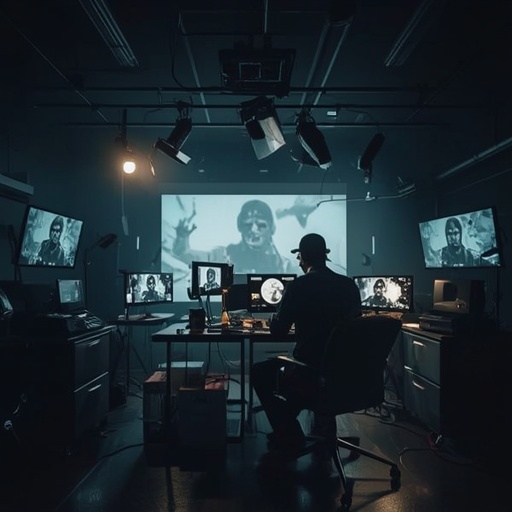
Once considered a niche corner of the internet, YouTube has rapidly evolved into one of the most powerful incubators for new cinematic talent. The recent triumph of creator-led horror phenomena such as ‘Backrooms’ and ‘Obsession’ has not only captivated millions of online viewers but also upended long-standing hierarchies within the film industry. These viral successes demonstrate that compelling storytelling, when paired with innovative use of digital platforms, can compete with — and sometimes surpass — the polished productions backed by major studios.
Hollywood executives are now taking notice, recognizing that the next generation of influential filmmakers may already be thriving online, honing their craft in front of vast, engaged virtual audiences. A creator who once shot eerie, lo-fi videos in a bedroom studio now holds the potential to command box office numbers that traditional marketing campaigns could only dream of achieving. What was once dismissed as amateur content is now celebrated for its originality, energy, and unfiltered connection with fans.
The blurring of lines between social media entertainment and mainstream cinema marks a turning point in the evolution of storytelling. As studios search for bold new voices capable of redefining what audiences expect from horror and genre films, YouTube-based storytellers bring an authenticity and adaptability shaped by years of direct interaction with their communities. Their work thrives on experimentation — fear conveyed through minimalism, suspense built through atmosphere rather than spectacle, and narratives that often mirror the liminal, uncanny spaces of modern digital life.
Films like ‘Backrooms’ illustrate how online mythologies and grassroots creativity can transform into cultural touchstones. Originating from an internet creepypasta and expanded by the ingenuity of a young filmmaker, the project epitomizes how participatory media can evolve into commercially viable art. Similarly, ‘Obsession’ reveals the growing appetite for creator-driven productions that reflect contemporary anxieties with cinematic finesse and emotional immediacy.
This shift suggests that the traditional path — from film school to studio contract — is no longer the only route to success. Digital creators, armed with affordable technology, storytelling instincts, and loyal communities, are building their own roads toward artistic and commercial recognition. In doing so, they are reimagining the essence of what it means to be a filmmaker in the 21st century.
As Hollywood continues to integrate creator talent into its structures, the future of cinema may depend on a symbiotic blend of grassroots innovation and institutional support. The next generation of storytellers does not necessarily emerge from within the walls of established production houses, but from glowing screens, online forums, and the restless imagination of individuals unafraid to share their vision with the world. The evolution from YouTube to Hollywood is not merely a trend — it is the dawn of a creative revolution, one that bridges immediacy with artistry and community with cinematic legacy.
Sourse: https://www.businessinsider.com/backrooms-obsession-youtubers-hollywood-could-bet-on-2026-6