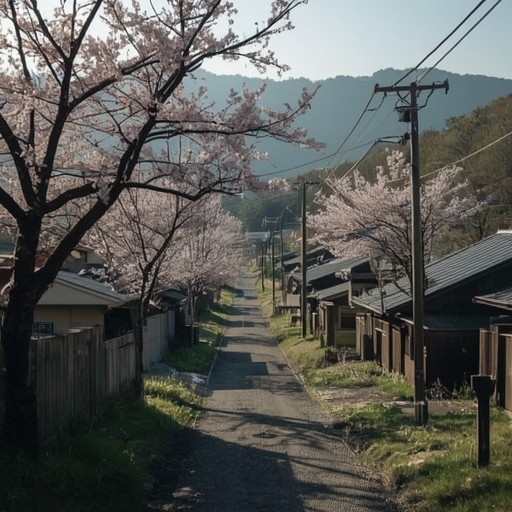
Fifteen years have now passed since the devastating Fukushima nuclear disaster, a moment that not only marked one of the darkest chapters in Japan’s modern history but also became an enduring symbol of human resilience and the power of renewal. In the aftermath of the catastrophe, which upended lives, displaced communities, and transformed entire landscapes, time has allowed both humanity and nature to weave a narrative of quiet yet profound rebirth.
Today, the Fukushima region tells a story far removed from the desolation that once defined it. The same soil that bore the weight of radiation and ruin now nurtures fields of green, forests brimming with renewed wildlife, and cherry blossoms that bloom defiantly each spring — vivid reminders that life persists even when all seems lost. Small towns that were once evacuated painstakingly pulse again with determination; families have returned, schools have reopened, and entrepreneurs are reshaping the local economy through sustainable agriculture and clean innovation. Even the physical remnants of the disaster — the ghost towns and silent streets — stand as solemn testaments to memory and endurance.
This journey of renewal, however, has not been simple. It has demanded not just environmental restoration but deep psychological and cultural healing. The residents of Fukushima have endured years of uncertainty, stigma, and struggle, yet their collective will to reconstruct their homeland demonstrates extraordinary courage. Their efforts — from revitalizing local industries to building new models of green energy — reflect a broader vision: that tragedy, when met with unity and foresight, can become a foundation for transformation.
Fukushima’s evolution also mirrors nature’s immense capacity to restore balance. Plants push through cracked pavements, and animals return to habitats long thought uninhabitable. This natural resurgence symbolizes not only ecological resilience but also the interconnectedness between people and the environment — a relationship that Japan, with its rich traditions of respect for nature, continues to cherish and redefine.
As the world reflects on the fifteenth anniversary of Fukushima, the region embodies a nuanced truth — that recovery is not merely about rebuilding what was destroyed but about reimagining what can be. It stands now as a living canvas of hope, a testament to how humanity and nature can coexist, heal, and even thrive together after deep adversity. The spirit of Fukushima, tempered in hardship yet illuminated by perseverance, offers a timeless lesson: that from the ashes of despair can rise renewal that is both humbling and inspiring.
Sourse: https://www.businessinsider.com/fukushima-japan-nuclear-disaster-recovery-photos-2026-3