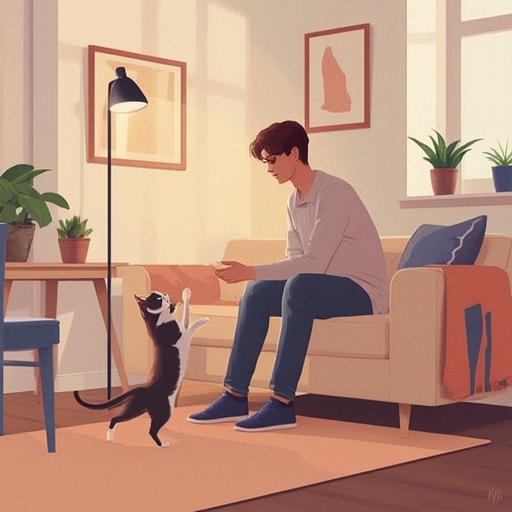
A generational transformation is underway in the world of pets, one that places the spotlight firmly on our feline companions. Members of Generation Z are driving a quiet yet unmistakable revolution in pet ownership, as more of them are choosing cats over the traditionally dominant dogs. Their lifestyle preferences — often shaped by urban living, smaller apartments, and flexible work arrangements — align perfectly with the self-sufficient and adaptable nature of cats. This convergence of trends has given rise to a new era in which the culture of pet companionship is being redefined.
Rover, a leading name in the digital pet-care economy, has observed a compelling surge in cat-related service requests from younger clients. Where once dogs dominated the platform’s bookings, cats are steadily claiming their share of attention and affection. This recognizable uptick signals a broader movement: younger pet owners are not only adopting more cats but are also actively seeking specialized support, grooming, and care options tailored to their unique needs. Rover’s leadership has noted that Gen Z’s engagement reflects both their emotional investment in animal welfare and their comfort with technology-enabled solutions.
For businesses in the pet-care sector, the implications extend far beyond a passing cultural fad. The shift toward feline-focused services demands innovation, adaptability, and empathy from service providers. Companies that refine their offerings to include nuanced insights into feline behavior, home enrichment, and tele-veterinary assistance will undoubtedly gain a competitive edge. In a marketplace crowded with traditional dog-centric marketing, standing out now requires understanding the subtleties of a cat’s world — from their dietary preferences and mental stimulation needs to the human desire for calm companionship.
Rover’s decision to expand its cat-care capabilities illustrates an awareness of this evolution and an agile response to generational change. As digital natives who prioritize convenience, environmental responsibility, and meaningful brand values, Gen Z pet owners expect companies to mirror their ethics and lifestyle choices. By embracing this feline-first mindset, Rover is not merely responding to demand but also reinforcing its role as a forward-thinking innovator shaping the future of pet care.
If the data and cultural cues are any indication, the landscape of modern pet companionship is purring its way toward transformation. What was once a secondary category is now emerging as the heart of a new movement — one that celebrates the independence, mystery, and charm of cats. The future of pet care is softer, quieter, and unmistakably feline.
Sourse: https://www.businessinsider.com/gen-z-loves-cats-rover-ceo-brent-turner-interview-strategy-2026-3