Generation Z is increasingly seeking out what might be described as “little luxuries,” yet the forms these indulgences take differ markedly from the splurges favored by their predecessors. In earlier decades, economic analysts and retail executives often referred to the “lipstick index,” a concept popularized by Leonard Lauder of the Estée Lauder family. The theory posits that during times of economic instability, consumers tend to forgo major expenditures—such as luxury handbags or high-end electronics—and instead turn toward small but emotionally rewarding purchases, like a tube of lipstick. These modest treats provide a sense of comfort, control, and personal uplift without placing an undue burden on the buyer’s finances.
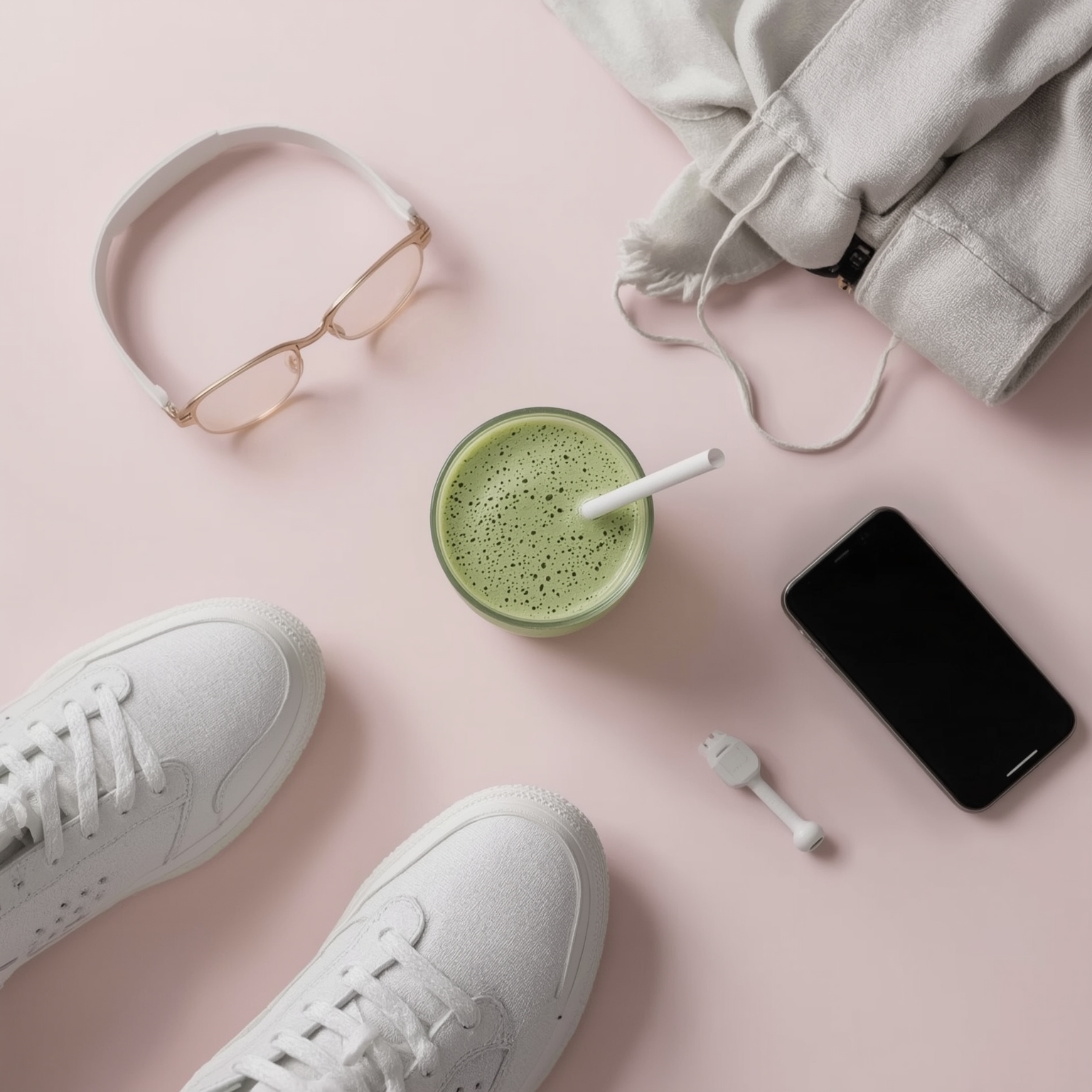
Today, however, Gen Z is reinventing this notion in line with its own cultural priorities and financial realities. A recent PwC report, which examined close to one million individual transactions across both credit and debit systems, reveals that younger consumers have crafted a modernized version of the lipstick index. Instead of gravitating primarily toward traditional cosmetics, they are splurging on what might be called lifestyle-enhancing micro luxuries: artisan matcha drinks, limited-edition sneakers, and multifunctional beauty products that merge skincare with cosmetic appeal. According to the report, these purchases allow Gen Zers to project a sense of cultural awareness and personal style while still maintaining practical spending habits.
The psychological principle behind the lipstick effect remains intact—small luxuries that deliver an outsized sense of self-worth—but the manifestation has evolved. Where earlier generations expressed affordable indulgence through cosmetics, Gen Z translates that same emotional need into purchases that symbolize “affordable affluence.” PwC characterizes this preference as a fusion of emotional satisfaction, perceived value, and personal betterment. This generation’s indulgences must not only make them feel good but also reinforce their self-concept as informed, health-conscious, and improvement-focused individuals. Ali Furman, a partner at PwC, elaborates that for Gen Z, the pursuit of self-improvement occupies a central place among their motivations for spending, influencing everything from what beverages they consume to the sneakers they collect.
Take matcha, for instance. Once relegated to a quiet corner of supermarket tea aisles, the beverage has undergone a striking transformation, driven largely by social media platforms like TikTok. In countless videos and aesthetic posts, users highlight matcha’s rich green hue, its association with mindfulness, and its purported health advantages—such as antioxidant content and potential stress-reducing properties. What was once a niche product imported from Japan has become an emblem of wellness and calm energy for a digitally connected generation seeking moments of serenity amid constant connectivity. As Furman notes, matcha no longer simply occupies a shelf; it represents a ritual of rejuvenation that resonates deeply with Gen Z’s aesthetic and emotional sensibilities.
Yet even as this demographic indulges in small pleasures, their financial decisions are made within a context of heightened economic strain. PwC’s 2024 holiday spending outlook reveals that Gen Z intends to decrease its seasonal spending by roughly twenty-three percent—a far more dramatic cutback than the modest one percent reduction anticipated among millennials, and a stark contrast to Gen X and baby boomer consumers, both of whom plan slight increases. The report, based on a survey of 4,000 participants evenly distributed across these four generations, offers a snapshot of how financial pressure manifests differently across age groups.
Such cautious spending patterns suggest that Gen Z’s restrained behavior is not an anomaly but part of a broader generational shift in how value itself is understood. Many respondents indicated that they often delay purchases until items go on sale or actively seek out “dupes” and private-label alternatives to premium brands. This behavior underscores both economic pragmatism and an evolved understanding of authenticity, where social identity is crafted not through the price tag of an item but through the intentionality and awareness behind its purchase.
The pragmatic tone of Gen Z’s consumption is also influenced by larger socioeconomic factors. As many members of this generation navigate an uncertain early career landscape and bear the weight of student debt, they simultaneously approach life milestones such as marriage and parenthood—events that traditionally require substantial financial investment. Furman points out that this convergence of economic reality and personal growth has amplified the generation’s desire to make thoughtful, strategic choices about discretionary spending. In lieu of temporary escapism through costly luxuries, they opt for products that simultaneously deliver pleasure and practical benefit.
Ultimately, PwC suggests that this pattern represents more than a short-term response to financial hardship. Instead, it signals a redefinition of what constitutes meaningful consumption. Gen Z’s version of the lipstick index might best be interpreted as an enduring reflection of maturity under economic constraint—a coming-of-age narrative written in matcha foam and limited-edition sneakers. As Furman succinctly puts it, this behavior is the intersection of youthful aspiration and a challenging economic climate, giving rise to a generation that seeks beauty, comfort, and aspiration within mindful boundaries rather than excess.
Do you have a story to share? Reach out to the reporter at abitter@businessinsider.com.
Sourse: https://www.businessinsider.com/gen-z-spending-little-luxuries-creating-lipstick-effect-matcha-sneakers-2025-10