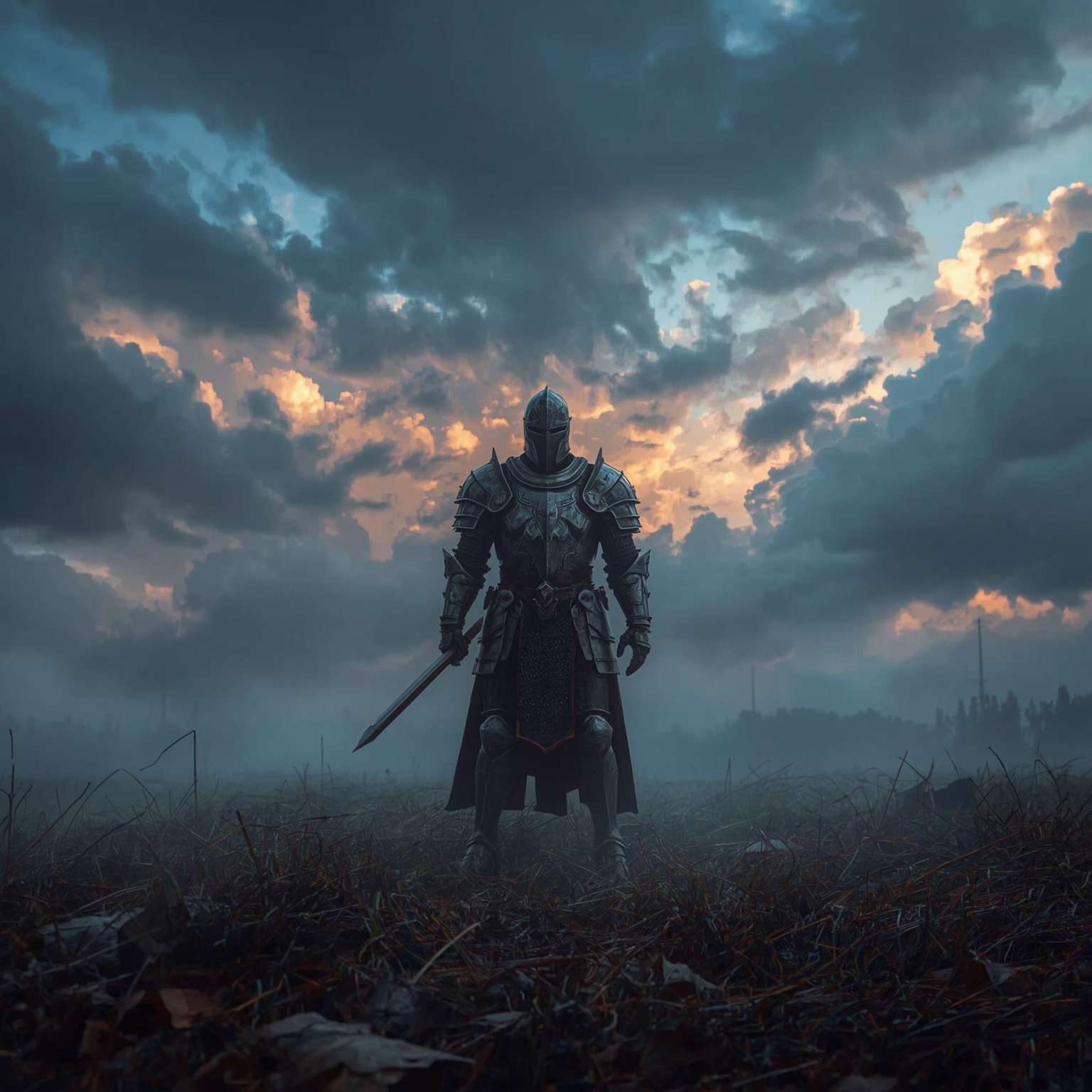
During the past weekend, acclaimed animator and filmmaker Genndy Tartakovsky unveiled a compelling piece of test footage for his newest creative endeavor, *Black Knight*—a project that, while still awaiting official approval, clearly embodies his ambition to push the medium of animation into unexplored territory. This preview, designed both as a proof of concept and a rallying cry to potential supporters, marks Tartakovsky’s effort to generate enthusiasm and visibility until Sony Pictures grants the long-sought greenlight for full-scale production. Committed to nurturing interest and momentum, Tartakovsky has publicly vowed to persist in releasing material related to the film, determined to transform curiosity into conviction among both audiences and industry decision-makers.
In a recent interview with *Polygon*, the veteran animator revealed his strategy in greater detail. He explained that each week he intends to share new glimpses—be they concept art, extended snippets, or behind-the-scenes insights—so that *Black Knight* remains in the public consciousness “until it gets made.” The early response to his test reel has already exceeded expectations, garnering especially enthusiastic praise across Latin American markets. This strong reception, according to Tartakovsky, has invigorated his commitment to seeing *Black Knight* reach the big screen. His renewed energy also stems from Sony’s recent achievements in animated filmmaking, such as the success of *KPop Demon Hunters* and the multiverse-defying *Spider-Verse* films. These titles have attracted acclaim for boldly experimenting with visual language and animation aesthetics, distancing themselves from the more conventional styles popularized by Disney, Illumination, and even the highly stylized Japanese phenomenon *Demon Slayer*.
Reflecting on the studio’s earlier uncertainty about *Black Knight*’s potential audience, Tartakovsky recalled how the conversation revealed a puzzling hesitation from Sony executives. He described the film as a hybrid creation that exists “part *Spider-Verse* and part anime,” straddling different storytelling traditions to craft something strikingly original. When questioned about who the intended audience might be, Tartakovsky found the inquiry almost exasperating, responding that the notion of animation’s limited demographic is outdated. He wondered aloud how many other projects needed to be released before studios acknowledged that originality and boldness can, in fact, attract viewership. Frustrated by the waiting process, he decided to move proactively—sharing what he had directly with the fans in hopes of proving that a market for his vision truly exists.
Above all, Tartakovsky holds firm to the belief that *Black Knight* has the potential to expand perceptions of what animated films can be and who they are for. He sees it not merely as another project, but as an opportunity to demonstrate that animation, long pigeonholed as a medium dominated by children’s entertainment, can speak powerfully to broader, more mature audiences. After his years of fruitful collaboration with Sony on the *Hotel Transylvania* franchise, the studio had invited him to helm two completely original films—an opportunity that underscores the trust in his creative leadership. Among these, *Black Knight* stands out as the one he feels compelled to bring to completion, a film in which his artistic identity and innovative spirit converge.
For those eager to follow more developments in genre storytelling, including major cinematic and television universes, readers can stay updated on forthcoming releases across the *Marvel*, *Star Wars*, and *Star Trek* franchises, as well as news regarding the future direction of *Doctor Who* and the evolving *DC Universe*. Each of these continuing sagas, like Tartakovsky’s own venture, reflects an era of transformation in visual storytelling—an era that may soon make room for the daring and atmospheric world of *Black Knight*.
Sourse: https://gizmodo.com/genndy-tartakovsky-wont-give-up-on-getting-black-knight-made-2000667740