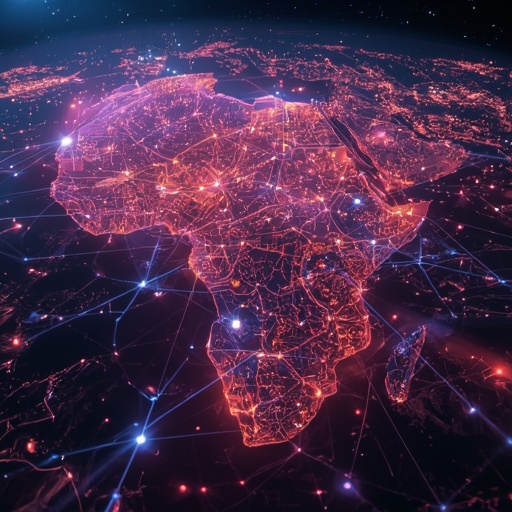
Across the globe, the dynamics of geopolitics are exerting a profound influence on how humanity conceives, generates, and sustains energy. Amid this sweeping reconfiguration of global priorities, Africa emerges not as a peripheral participant but as an essential epicenter of transformation. The continent, endowed with abundant natural resources, vast human potential, and an increasingly digital economic structure, is poised to redefine the parameters of the world’s sustainable energy future.
Artificial intelligence, once considered a distant technological aspiration, now functions as an indispensable catalyst for optimizing efficiency, predicting energy demand, and reducing systemic waste. Across African cities and rural regions alike, data-driven energy management systems are enabling smarter grids, accelerating the transition toward renewables, and ensuring that access to clean power expands to communities that were historically underserved. This growing synergy between innovation and necessity represents more than a technological evolution; it marks a socio-economic leap toward resilience and inclusivity.
The continent’s ongoing digital transformation amplifies this progress. Artificial intelligence, automation, and sophisticated analytics intertwine with local ingenuity, allowing nations to harness renewable sources ranging from solar and wind to emerging bioenergy technologies. The integration of smart infrastructure—linked through networks that can adapt in real time to fluctuations in supply and demand—demonstrates how technology can serve as both a tool for progress and a symbol of Africa’s rising autonomy in the global energy discourse.
Yet, this promising trajectory depends on more than innovation alone. Collaboration between governments, private investors, and international partners is crucial to sustaining long-term development. Strategic investment in research, infrastructure, and education can enable African nations to leapfrog traditional energy models, bypassing outdated systems in favor of forward-thinking approaches that emphasize environmental sustainability and economic self-determination. Such cooperation not only benefits local growth but also contributes to global stability, helping balance competing geopolitical interests through mutual sustainability.
Ultimately, the intersection of geopolitics, artificial intelligence, and Africa’s developmental momentum illustrates a broader truth: the future of global energy will be efficient, intelligent, and ethical only if inclusivity remains at its core. As the continent accelerates toward a digital and sustainable era, its success will illuminate a path that others can follow—a path defined by innovation, collaboration, and the vision of a greener, smarter world powered by both technology and human ambition.
Sourse: https://www.bloomberg.com/news/videos/2026-05-15/schneider-electric-chair-on-war-ai-africa-s-growth-video