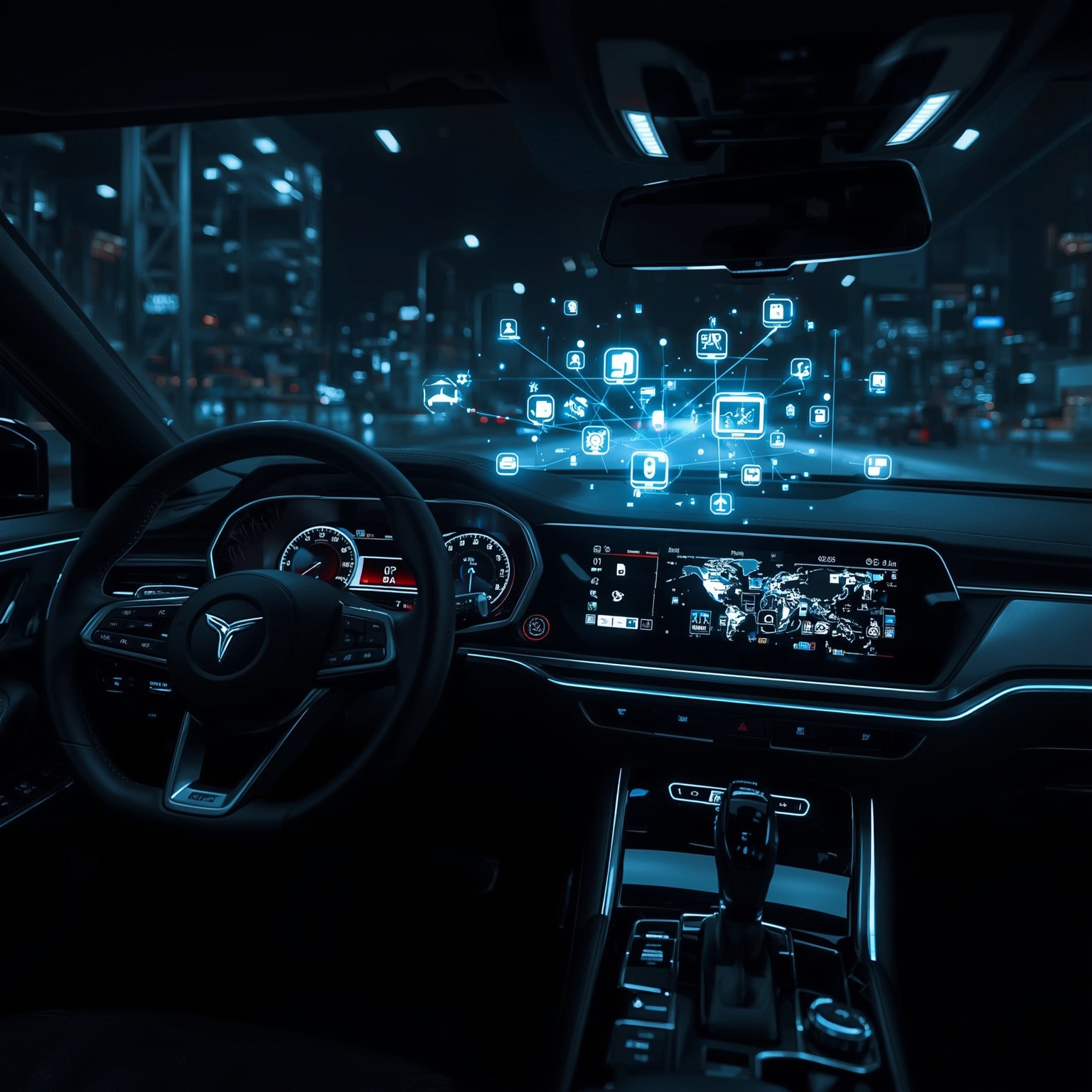
During the past week, General Motors CEO Mary Barra ignited a significant public conversation when she announced that the company intends, over time, to eliminate support for both Apple CarPlay and Android Auto across all of its gasoline-powered vehicles. The automaker had already implemented similar changes within much of its electric vehicle portfolio, effectively removing the ability for drivers to mirror their smartphones directly onto the vehicle’s infotainment system. Now, GM’s next strategic move appears to be expanding this initiative to encompass its internal combustion engine lineup as well—a decision that sparked both curiosity and concern among consumers and industry observers alike.
However, the company has now stepped forward to provide a more nuanced clarification, emphasizing that such transformations will not occur abruptly or without careful planning. In an official statement released to the media, GM spokesperson Malorie Lucich underscored that there are no immediate modifications being made to the technology embedded within existing vehicles currently on the road. She reaffirmed that any GM automobile already equipped with Apple CarPlay or Android Auto would retain full functionality for the foreseeable future. In other words, customers who currently rely on these widely used systems to integrate their smartphones for navigation, communication, and entertainment will experience no disruption in service.
Lucich elaborated further, explaining that the company envisions a gradual transition toward a new and more sophisticated, centralized computing platform—one designed to offer drivers a richer, more seamlessly integrated digital environment. She noted that this evolution aligns with the broader trajectory of the automotive sector, as modern vehicles increasingly shift toward becoming highly software-defined machines capable of more advanced personalization and networked intelligence. According to Lucich, this shift will unfold progressively over a number of years, not instantaneously, and GM remains intent on maintaining its constructive partnerships with technology giants Apple and Google while developing these next-generation experiences. The automaker, she emphasized, continues to prioritize one overarching goal: providing drivers with intuitive, enjoyable, and dependable in-car systems that enhance their time behind the wheel. The original statement was first shared with the technology publication MacRumors.
In her appearance on the Decoder podcast, Mary Barra had earlier suggested that the removal of smartphone mirroring features would likely accompany the rollout of refreshed or newly launched models. She described the company’s strategy as one of steady alignment, indicating that each successive vehicle introduction would reflect this consistent direction.
Yet, based on GM’s recent clarification, it now appears that the comprehensive removal of Apple CarPlay and Android Auto will not materialize until the company deploys its newly developed, centralized vehicle computing architecture. Announced only last week, this high-performance platform represents a major transformation in how GM’s vehicles process data and manage digital functionalities. The system promises to consolidate numerous control modules into a more streamlined, cohesive network, thereby enhancing processing efficiency and enabling far more capable over-the-air software updates. Such technological refinement would allow GM to continuously improve vehicle performance, security, and user experience without requiring physical modifications.
According to the company’s present timeline, this advanced platform is scheduled to make its debut in the Cadillac Escalade IQ—GM’s flagship luxury SUV—in 2028. Only after this introduction will the technology gradually extend across the rest of the automaker’s gasoline-powered lineup, heralding a new phase in the company’s digital evolution. Through this paced approach, GM seeks to balance innovation with stability, ensuring that its customers benefit from cutting-edge features while retaining the trusted connectivity systems they currently depend upon.
Sourse: https://www.theverge.com/news/807189/gm-isnt-ready-to-rip-off-the-carplay-android-auto-band-aid-quite-yet


