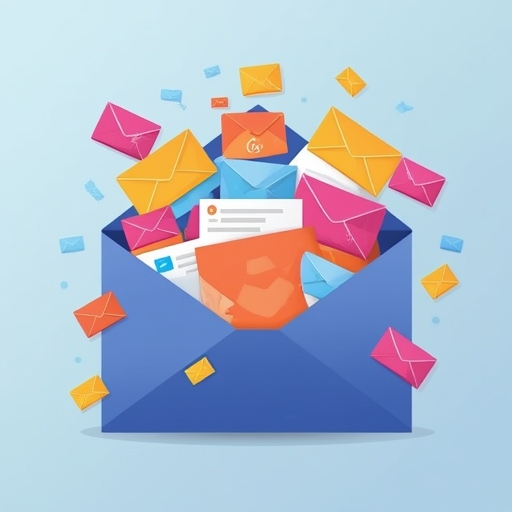
A growing number of Gmail users have recently noticed a surprising and somewhat chaotic influx of promotional and marketing emails entering directly into their primary inboxes, bypassing the usual filtering mechanisms that categorize messages into specific tabs such as “Promotions,” “Updates,” and “Social.” This unexpected flood of emails has led many to believe that Gmail’s typically sophisticated sorting algorithm—one designed to maintain order and streamline the user experience—may currently be malfunctioning or experiencing a temporary glitch.
Under normal circumstances, Gmail’s intelligent filtering system automatically identifies and organizes incoming correspondence based on content type, sender patterns, and user interaction history. Messages related to advertisements, newsletters, or brand communications are usually diverted into their respective promotional folders. However, as recent reports indicate, this automated process appears to have faltered, causing these types of messages to surface prominently in the primary inbox, the space most users reserve for personal or critical communications.
The implications of this issue extend beyond minor annoyance. For individuals who rely on Gmail as their professional hub, the disruption creates an additional challenge in distinguishing essential messages from less relevant correspondence. For businesses and marketers, the situation presents a rare shift in email visibility—messages that would ordinarily be filtered out are now appearing front and center before users. Yet, this advantage may be fleeting, as it stems from an unintended technical anomaly rather than a deliberate update to Gmail’s algorithms.
This event underscores a larger truth about digital communication: our dependence on invisible systems of automation. Email management today is heavily reliant on artificial intelligence and pattern recognition processes that sort vast volumes of data according to user behavior. When those systems misfire, however small the error may be, the ripple effects are immediately felt across individual users, corporate workflows, and even marketing strategies.
Gmail has not issued an official statement regarding the cause or duration of the disruption, but users are encouraged to double-check their inbox settings and manually organize incoming emails as a temporary measure. It remains possible that the platform’s engineering teams are already aware of the issue and implementing a fix to restore normal filter operations.
Whether this incident will prompt Gmail to enhance its sorting accuracy or expand transparency around its algorithmic decisions remains to be seen. In the meantime, the glitch serves as a timely reminder of how deeply integrated these unseen technologies are in daily productivity and communication. Even a slight malfunction in an automated system can significantly alter the user experience, transforming routine email checking into an exercise in digital triage.
Sourse: https://www.theverge.com/tech/867247/gmails-spam-filter-broken