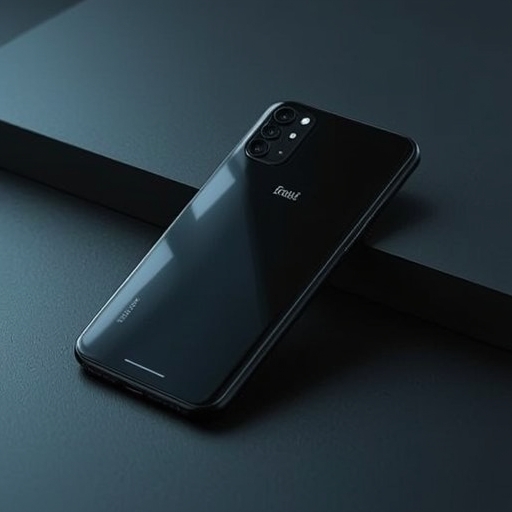
Google’s Pixel 10A marks another entry into the company’s A-series lineup, yet its debut may not inspire the same excitement that past iterations once did. At first glance, the device maintains the familiar aesthetic language that defines Google’s design philosophy—a clean, understated profile complemented by subtle matte finishes and the recognizable camera bar. However, this year’s changes are less about innovation and more about refinement, resulting in a phone that appears reassuringly consistent but not particularly groundbreaking.
When shifting from the Pixel 9A to the 10A, users are likely to notice only marginal design alterations. The most obvious of these is the more flattened camera housing, which gives the rear of the device a slightly sleeker silhouette. Beyond that, the build quality remains solid, preserving the sturdy yet lightweight character that Pixel fans have come to appreciate. The display, dimensions, and general hand-feel are nearly identical, offering a sense of continuity that will comfort returning users but may leave potential upgraders underwhelmed.
Performance-wise, the 10A continues to rely on the same processing architecture found in the previous generation—an efficient chipset that performs admirably in everyday scenarios such as browsing, streaming, and photography, yet lacks any notable leaps in computational speed or multitasking capability. This decision underscores Google’s strategic focus on stability and power efficiency rather than raw performance spikes. The result is a dependable user experience, though one that may strike some as conservative, particularly in a market saturated with more aggressively upgraded competitors.
The camera system, traditionally the centerpiece of any Pixel release, remains competent but unchanged. The 10A preserves the same sensor combination that powered the 9A, delivering consistently sharp photos with excellent dynamic range and color accuracy, especially under favorable lighting. Google’s computational photography still enhances shots with intelligent software processing, ensuring portraits and night scenes retain their distinctive punch. Nevertheless, for photography enthusiasts seeking noticeable improvements or hardware diversity—such as larger sensors or enhanced optical zoom capabilities—the Pixel 10A might feel like a missed opportunity.
Battery life continues to be solid but not transformative. Thanks to efficient software optimization and restrained hardware demands, the 10A comfortably endures a full day of use on a single charge. Charging speeds, however, remain modest by modern standards, reflecting Google’s preference for battery longevity and safety over rapid power top-ups. Such choices make sense in practical terms, though they may disappoint users accustomed to the blazing-fast chargers offered by rival brands.
Altogether, the Pixel 10A feels more like a gentle reiteration than a major step forward in the evolution of Google’s affordable smartphone series. Its enduring strengths—reliable performance, software fluidity, and excellent image processing—still define the experience, but the absence of significant enhancements dulls the sense of progression. For budget-conscious consumers or those new to the Pixel ecosystem, the 10A is undeniably a well-rounded, capable device. Yet for current Pixel 9A owners, the case for upgrading remains tenuous at best. The improvements are too subtle to justify the cost, particularly when last year’s model continues to deliver nearly identical results.
In summary, Google’s latest A-series phone may appeal to those who prioritize consistency and refined simplicity, but it stops short of delivering the kind of meaningful innovations that turn an update into a must-have. In many respects, the Pixel 9A still represents the more pragmatic purchase—proven, affordable, and only a hair’s breadth behind its successor. In this instance, the wisest upgrade decision might indeed be the choice not to upgrade at all.
Sourse: https://www.theverge.com/tech/894319/google-pixel-10a-review-screen-specs-battery-camera