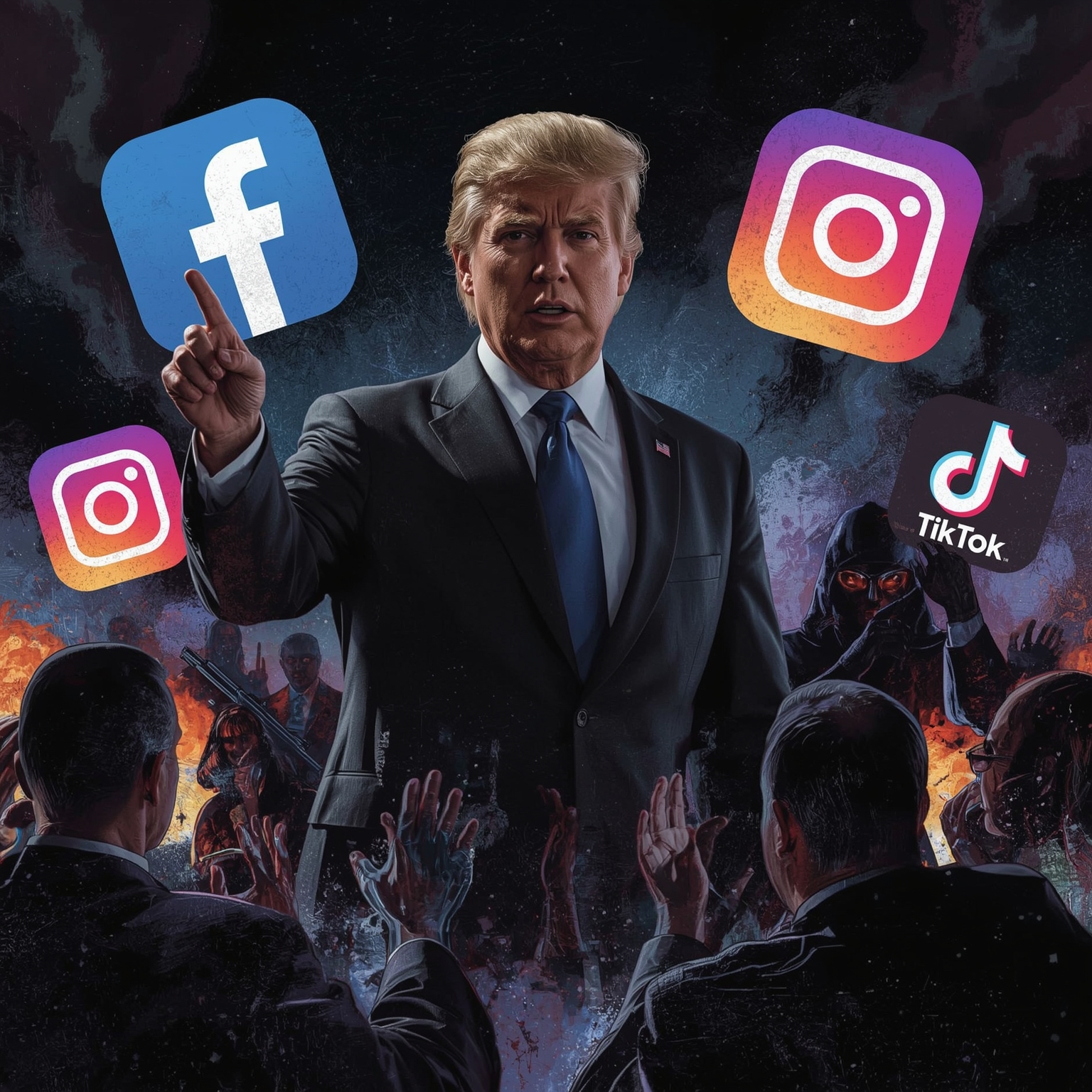
Utah Governor Spencer Cox has drawn a striking connection between the alarming surge in political violence across the United States and the pervasive influence of social media platforms. Speaking publicly after the recent and tragic shooting of conservative activist Charlie Kirk at Utah Valley University, Cox asserted that the pervasive digital networks are more than mere facilitators of communication. In his perspective, they have become powerful accelerants of division and hostility, directly implicated in Kirk’s death as well as in several other assassination attempts witnessed in recent years.
His remarks come at a time when state governments across the country are increasingly joining forces to challenge the unchecked influence of technology companies, particularly their alleged exploitation of children through addictive digital architecture. Numerous states are filing lawsuits against major firms, arguing that these corporations have deliberately engineered algorithms designed to hold users’ attention with psychologically manipulative tactics. The outcome, leaders argue, is a profound deterioration of young people’s mental health and in many instances, a broader culture of antagonism and despair.
In an interview with NBC’s *Meet the Press*, Cox declared unequivocally that social media has played a direct role in virtually every assassination or attempted assassination of the past five or six years. He noted that the damage inflicted upon society by these platforms is so severe that even the metaphor of an invasive cancer fails to capture the extent of their corrosive force. Cox lamented that it has taken more than a decade for society to fully recognize the extent to which these algorithms, created with profit as their singular guiding principle, fuel outrage and erode the mental and emotional stability of younger generations.
Emphasizing the psychological grip that online platforms hold, Cox explained that users are effectively conditioned to become addicted to constant doses of anger and hostility—what he termed an addiction to outrage. He sharply faulted technology companies for intentionally feeding this craving. In his words, a few of the most powerful corporations in history have managed to manipulate the neurological reward systems of their consumers, drawing comparisons to the euphoric chemical rush provoked by dangerous substances such as fentanyl. This endless cycle of provocation, Cox argued, has intensified polarization and left Americans increasingly distrustful, resentful, and estranged from one another.
The governor illustrated these claims with direct reference to recent events, stating that Charlie Kirk’s death is a tragic example of what happens when conflict-driven narratives dominate public discourse. These dynamics, he warned, are replicated throughout every sphere of American life, where so-called “conflict entrepreneurs” exploit divisions for personal or financial gain. In his eyes, what is ultimately at stake is human agency itself—the collective ability of people to make decisions independent of incendiary manipulation.
Cox, a sixth-generation Utahn, ascended to office in 2021 as the state’s 50th governor. Now 50 years old and trained as an attorney at Washington and Lee University, he has been recognized nationally for his efforts to push back against the detrimental effects of social media on young people. In fact, Utah adopted two major pieces of legislation in 2024 designed to regulate minors’ access to digital platforms and safeguard them from the psychological harms associated with overuse and exposure to exploitative design strategies.
While social media has become an inseparable part of daily life for Americans of all ages, it is facing unprecedented legal challenges. In 2023, thirty-three states collectively launched a lawsuit against Meta—the parent company of Facebook and Instagram—alleging intentional harm to adolescent well-being. According to the suit, Meta designed its products with highly addictive features specifically aimed at teenagers. Predictably, Meta rejected these accusations, issuing a statement expressing disappointment that attorneys general chose litigation over collaboration to create unified safety standards across the technology sector.
The following year, a coalition of fourteen attorneys general pursued comparable action against TikTok. Claiming the platform misled the public regarding its safety practices, prosecutors contended that TikTok contributed significantly to the mental health crisis among young people. Minnesota most recently joined this group of states in filing suit. In response, a TikTok spokesperson insisted that the company had invested heavily in protective measures, such as implementing default screen-time limits, providing parental control features through family pairing, and imposing stricter privacy standards for users under the age of sixteen. The spokesperson noted that despite TikTok’s attempts to collaborate with regulators, it was disheartening that many state leaders had opted instead to escalate to courtroom battles rather than craft unified solutions to challenges that extend across the tech industry.
Looking beyond legal disputes and corporate responses, Governor Cox emphasized the urgent need for national unity in order to alter the current destructive course. According to him, revival depends on re-establishing a culture of empathy and neighborly care—the foundational qualities he regards as pillars of what historically has made America strong and resilient. Without such a collective shift, he warned, communities would continue spiraling into hostility, manipulated by entities that profit from perpetual confrontation.
Requests for comment from representatives of Cox, in addition to spokespeople for Meta, TikTok, and X, were not returned, leaving unanswered questions about how these influential actors may respond to the governor’s stark and impassioned accusations.
Sourse: https://www.businessinsider.com/charlie-kirk-death-social-media-role-utah-governor-spencer-cox-2025-9