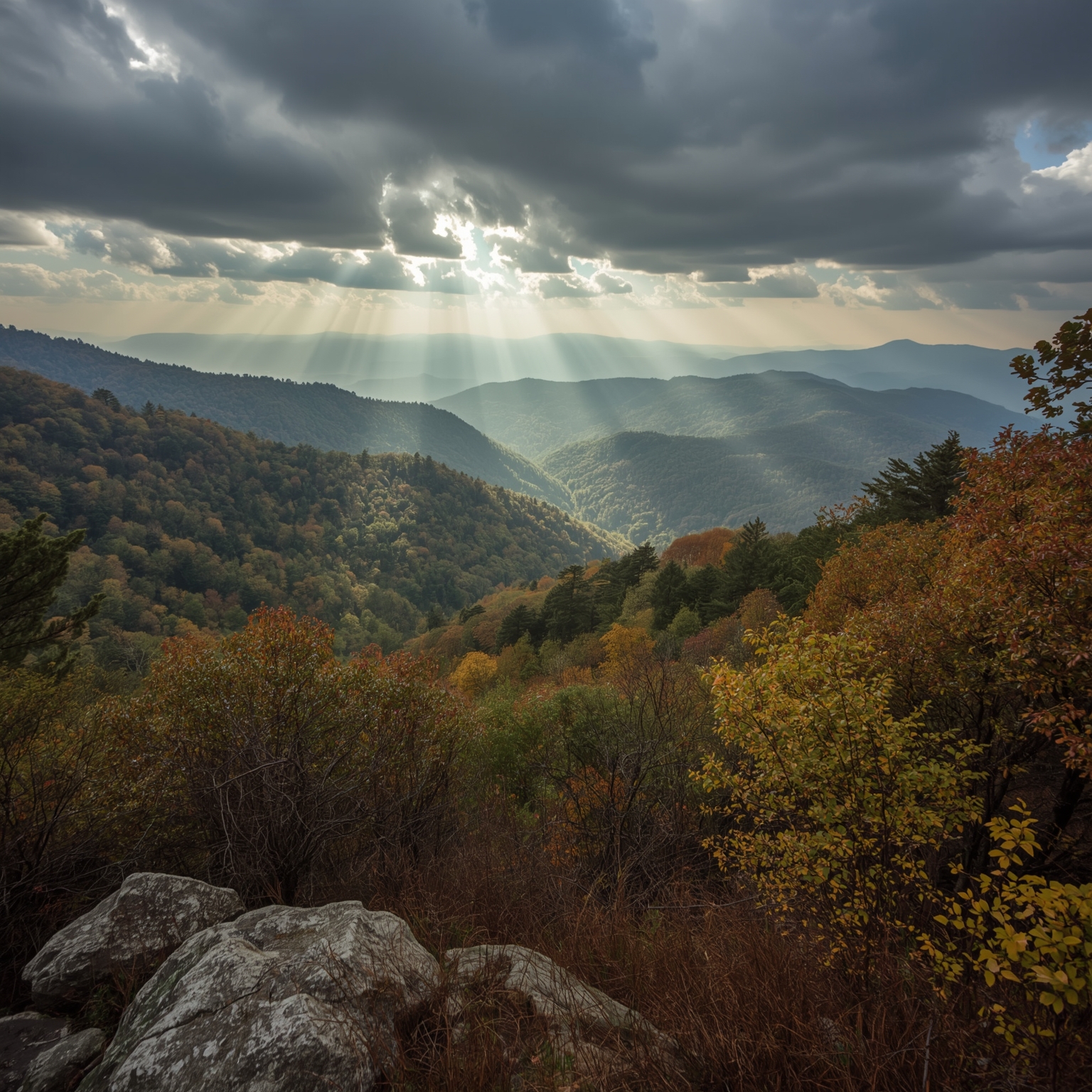
Amid a nationwide government shutdown that has disrupted essential public services and forced many federal parks to close their gates, one remarkable exception stands out: Great Smoky Mountains National Park. Uniquely positioned in the heart of the Appalachian Mountains, straddling the border between North Carolina and Tennessee, this beloved natural sanctuary will remain completely open and operational. According to reporting from NPR, the park has managed to sustain its full staff during the shutdown period, ensuring that its trails, scenic routes, and visitor facilities continue to welcome travelers without interruption.
This operational continuity is the result of a coordinated local effort. Seven neighboring governments within the surrounding region have stepped in to fund the park’s 275 full-time employees. Their financial contributions—amounting to nearly two million dollars—demonstrate the community’s recognition of the park’s indispensable role in supporting local economies and preserving ecological tourism. Without this intervention, these employees, like thousands of other federal workers across the country, would have faced furloughs. Instead, regional leaders rallied to safeguard both livelihoods and the visitor experience that draws millions to the Smokies each year.
Bryan McCarter, the vice mayor of Sevier County, emphasized in an interview with NPR that tourism generated by the park is not merely a cultural or recreational benefit but a critical driver of the county’s financial health. Because so many businesses—from small inns and restaurants to souvenir shops and guide services—depend heavily on park visitors, keeping the Great Smoky Mountains open was deemed an economic necessity. To that end, Sevier County itself has taken on a substantial portion of the funding burden, illustrating its commitment to sustaining the park’s operations despite federal gridlock. The county’s location in the foothills of the Smoky Mountains makes its prosperity inseparable from the flows of tourism that the park continually generates.
The broader context behind these measures lies in the federal government shutdown that began on October 1. The stalemate resulted from an impasse between Republican and Democratic lawmakers, who failed to agree on the details of a new government budget. As a consequence, funding for many federal agencies was suspended, affecting essential national services ranging from postal operations and transportation regulation to airport security and air travel logistics. The ripple effects of this administrative halt have been extensive, touching both daily routines and major industries.
A detailed contingency plan issued by the National Park Service in September 2025 offers a glimpse into the scale of the disruption. The nine-page document indicated that a shutdown would compel the agency to furlough nearly 9,300 employees—approximately two-thirds of its entire workforce. Despite this drastic reduction, the plan sought to preserve limited public access to outdoor resources: roads, scenic lookouts, trails, and open-air memorials were to remain physically accessible to the public whenever possible. These guidelines underscored an effort to balance visitor access with the realities of reduced staffing. However, the agency specified that any facility regularly locked during non-operational hours would stay closed throughout the shutdown period, ensuring that security and maintenance standards would not be compromised.
Additionally, the National Park Service clarified that during a shutdown, its digital communications—including official websites and social media accounts—would largely go dormant. Updates would be paused except in matters of urgent importance, such as emergencies impacting visitor safety or critical operational changes. This digital silence mirrors the broader cessation of administrative functions across the federal landscape. For now, representatives of Great Smoky Mountains National Park have not issued an official statement or responded to inquiries from Business Insider regarding the ongoing situation.
Through the combined resolve of local governments and the park’s dedicated staff, the Great Smoky Mountains continue to welcome visitors even as the nation grapples with political paralysis. The park’s perseverance not only preserves an important natural refuge but also exemplifies how regional cooperation can fill temporary gaps in federal governance, ensuring that one of America’s most treasured landscapes remains alive with both human presence and the enduring rhythm of nature.
Sourse: https://www.businessinsider.com/great-smoky-mountains-national-park-open-government-shutdown-2025-10