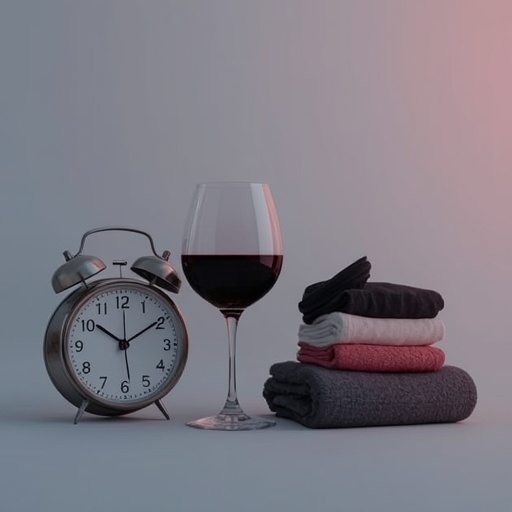
The modern obsession with self-improvement has reached a fascinating—and perhaps unsettling—crossroads, one symbolized by something as ordinary as a glass of wine. What began as a small personal confession swiftly became a cultural flashpoint. It all started with a story about enjoying a few glasses of wine and recognizing how even this mild indulgence led to disrupted sleep, a sluggish workout, and diminished focus the following day. Yet the viral reaction that followed revealed something deeper than concerns about health or productivity—it exposed our conflicted relationship with balance, moderation, and the human need for ease.
We live in a time defined by relentless optimization. From sleep trackers to productivity apps and biohacking rituals, nearly every aspect of daily life is now treated as a system to upgrade. A glass of wine, once a simple pleasure or social grace, has become a litmus test for discipline. The online reaction to this minor moment of imperfection—some applauding the self-awareness while others decry the overanalysis—underscored a pressing question: have we fine-tuned our lives so ruthlessly that relaxation itself feels like failure?
At the heart of the debate lies a paradox. The pursuit of high performance was meant to empower us—to sharpen focus, maximize efficiency, and improve our well-being. Yet, paradoxically, the constant measuring and managing often rob us of the very joy these optimizations were meant to preserve. The anxious hesitation over a glass of wine becomes emblematic of a broader unease: the fear that anything uncalculated will derail the system we’ve built for ourselves.
This story, both trivial and profound, invites reflection. It reminds us that discipline without compassion becomes tyranny in disguise, and that the perfection we chase may quietly erode the spontaneity and delight that make life rich. Optimization, when untempered by humanity, can turn into an exhausting performance rather than a path to growth. Perhaps true success lies not in constant vigilance, but in the intelligent rhythm between effort and ease—in the courage to let go as skillfully as we strive.
In the end, the moral of this small controversy is elegantly simple yet deeply resonant: balance is not the opposite of ambition but its necessary companion. A single evening and a few inevitable effects on sleep may not represent failure at all, but rather a humble reminder that we are not algorithms—we are human beings. And perhaps that, above all else, is worth optimizing for.
Sourse: https://www.businessinsider.com/steven-bartlett-wine-backlash-health-optimization-culture-2026-6