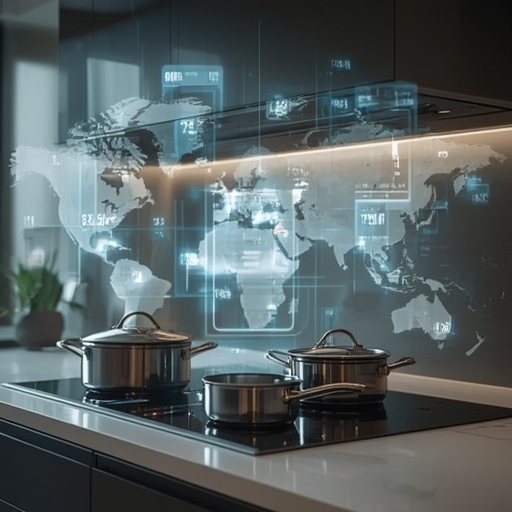
What started as a simple household purchase quickly transformed into a fascinating economics experiment conducted right from the heart of my kitchen. When I picked up a twelve–piece stainless–steel cookware set from Costco, priced at a modest $185, I never imagined it would evolve into a real-life indicator of how international trade policies shape everyday consumer experiences. Within a single year, that same gleaming cookware ensemble—beautifully practical and perfectly balanced for daily use—saw its price fluctuate by an astonishing seventy‑two percent. The cause of this dramatic swing wasn’t changes in materials, craftsmanship, or brand prestige, but rather the unseen push and pull of tariffs and trade regulations.
This dramatic price trajectory encapsulates how far-reaching global economic strategies extend into the most ordinary aspects of modern living. Decisions negotiated in government conference rooms, thousands of miles away, can determine whether your next frying pan feels like a bargain or a splurge. In this way, a set of pots and pans becomes more than kitchen equipment—it turns into a microcosm of international commerce, an object lesson in how market dynamics and policy debates translate into tangible shifts in household budgets.
What’s particularly striking is how these shifts offer an unexpected education for anyone paying attention. A simple glance at a price tag over successive shopping trips tells a story of global tariffs being imposed, relaxed, or renegotiated. It reveals how supply chains redistribute themselves, how manufacturers adapt by sourcing alternative materials or relocating production, and how retailers recalibrate their pricing structures to stay competitive. Consumers, often unknowingly, observe the real-time effects of trade agreements that economists spend years modeling and predicting.
For many of us, global economics seems distant—numbers printed in financial pages, abstract percentages moving across trading screens. Yet, moments like watching the price of cookware jump nearly three-quarters in under twelve months make these forces vividly personal. The experience underscores a truth economists have long stated: macroeconomic policy is most alive when viewed through the microcosm of everyday life. What appears as an impersonal decision between nations manifests as the cost of the tools we cook with, the goods we gift, and the products we replace.
So now, each time I heat a pan from that set, I think beyond recipes and flavors. I think of supply chains weaving across continents, ships crossing oceans laden with components, and the delicate negotiations that decide the cost of metals and shipping. In a surprising way, my kitchen has turned into a classroom—one where each sizzling sound underlines a subtle lesson in global interdependence. This $185 cookware set reminds me that economics, far from being confined to corporate boardrooms and trading floors, is alive in every household decision we make and every everyday item we own. It is proof that globalization’s narrative unfolds not only in markets but in homes, through simple reflections of price, purchase, and value.
Sourse: https://www.businessinsider.com/tracking-tariff-impact-with-costco-henckels-cookware-set-2026-4


