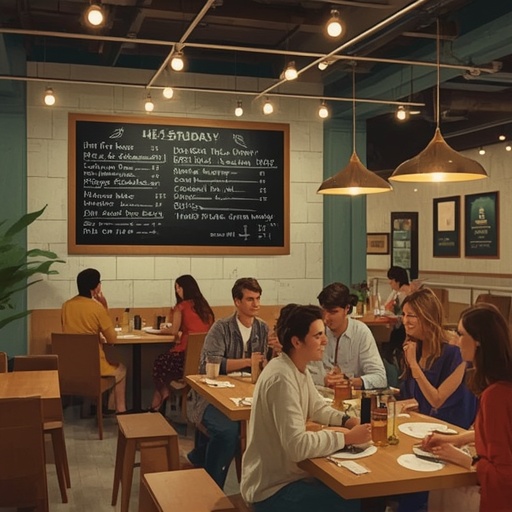
In Minneapolis, a restaurateur faced a hard truth familiar to many in the hospitality industry: despite his best efforts, his restaurant was failing to stay financially afloat. Expenses mounted, customers dwindled, and every pricing adjustment seemed to push regulars further away. In a moment of both desperation and deep reflection, he decided to take an approach that defied all conventional business logic — he removed prices from the menu altogether and adopted a pay-what-you-can model.
At first glance, such a move might have appeared reckless. After all, restaurants operate on notoriously thin margins, and the lack of defined pricing could easily lead to underpayment and rapid collapse. Yet, what unfolded was both surprising and profoundly inspiring. Instead of exploiting the system, patrons began to respond with an unexpected level of honesty, empathy, and generosity. Regular customers, now aware of the trust they had been given, contributed what they could — often more than the original prices. Those struggling financially were relieved of the shame of avoiding a good meal, and those with more means felt empowered to give extra, effectively balancing the scales.
This experiment in open trust gradually reshaped not only the restaurant’s financial outlook but also its relationship with the community. The space began to transform from a transactional dining venue into a gathering place rooted in mutual respect, dignity, and collective care. Conversations shifted from the cost of a meal to its value in nourishing both body and soul. Loyal patrons found themselves not just dining out but becoming stewards of a shared vision for sustainable, community-driven commerce.
Before long, word of this unconventional approach began to spread beyond Minneapolis. People from across the city — and eventually other regions — traveled to experience firsthand a restaurant that dared to prioritize fairness and human connection over rigid profit margins. For the owner, profit became less of a target and more of an organic outcome born from integrity and shared humanity. Rather than cutting corners or competing through discounts, he cultivated trust as his most valuable currency.
Today, his once-struggling establishment thrives, fueled not by a traditional pricing strategy but by an ethos of transparency and compassion. The pay-what-you-can model has become more than a business decision; it stands as a philosophy of generosity that challenges the transactional norms of the dining world. It reminds us that when people are trusted, they often rise to the occasion, proving that empathy can be not only morally rewarding but financially sustainable. The story of this Minneapolis restaurateur offers a timely reflection on how reimagining value — guided by faith in community — can transform adversity into abundance.
Sourse: https://www.businessinsider.com/minneapolis-cafe-revived-by-pay-what-you-can-approach-2026-7