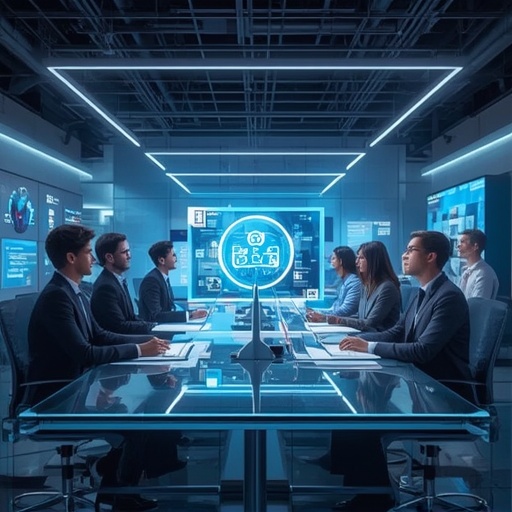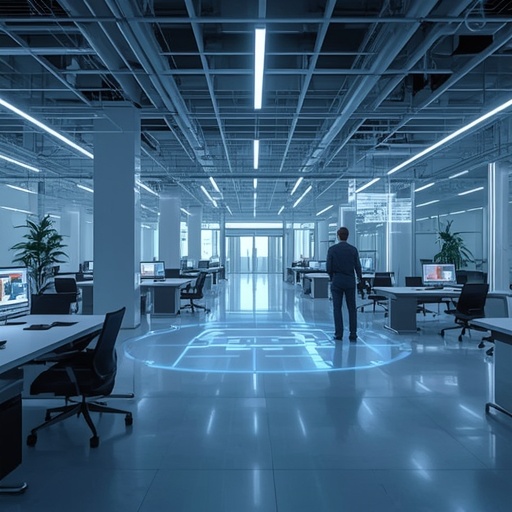
Artificial intelligence is revolutionizing the modern workplace, not merely through technological upgrades but by fundamentally transforming both the design and cultural dynamics of professional environments. Offices that once relied on static layouts and predictable routines are now evolving into adaptive ecosystems capable of learning from and responding to the needs of those who inhabit them. AI-driven analytics, for instance, can examine work patterns, optimize spatial arrangements, and even adjust environmental conditions—such as lighting, temperature, or acoustics—to maximize comfort and productivity.
Yet the change extends far beyond architecture and operational efficiency. A deeper transformation is occurring in workplace culture itself. As AI fosters more intelligent systems of organization, communication, and collaboration, teams are becoming increasingly connected despite geographical boundaries. Virtual assistants, intelligent scheduling systems, and advanced communication tools make coordination seamless, enabling both remote and hybrid employees to experience the same sense of presence and engagement as those in physical offices.
This integration of AI into workplace culture also encourages flexibility and individuality. Offices are no longer viewed as rigid spaces bound by strict routines; instead, they become living frameworks that adapt to human rhythms. For example, an AI platform can monitor collective energy levels throughout the day and dynamically recommend collaboration periods versus focus time based on real-time data. The result is a more empathetic working environment—responsive to human behavior while promoting sustained performance.
Moreover, AI’s influence extends to leadership and creativity. Data-driven insights allow managers to make more nuanced, informed decisions about team structure and workflow design. Predictive analysis can identify potential friction points in communication or productivity before they escalate, fostering cultures of transparency and trust. Simultaneously, intelligent systems handle repetitive administrative tasks, freeing employees to focus on creative, high-value work—reframing what it means to contribute meaningfully in an organization augmented by technology.
In essence, artificial intelligence is not merely redesigning the physical workplace; it is reimagining the very experience of working within it. It transforms buildings into proactive collaborators and converts traditional hierarchies into networked systems of shared intelligence. Through this synthesis of design innovation and cultural evolution, the office of the future emerges as a smarter, more humane space—an environment where technology amplifies collaboration, enhances well-being, and redefines productivity for a new generation of workers. #FutureOfWork #AI #SmartOffice #WorkplaceInnovation
Sourse: https://www.businessinsider.com/i-run-a-workplace-platform-how-ai-is-changing-offices-2026-7