The 2026 World Cup is not merely another addition to FIFA’s long history of global tournaments—it is poised to become a defining moment in the ongoing transformation of football from a deeply rooted cultural phenomenon into an extravagant engine of profit. For FIFA, the financial projections are staggering, heralding unprecedented earnings built upon massive sponsorship deals, television rights, and merchandising ventures that span continents. Yet for millions of loyal fans, the very same developments that enrich the organization are steadily driving up costs, making participation—both in-person and virtual—an increasingly exclusive affair.
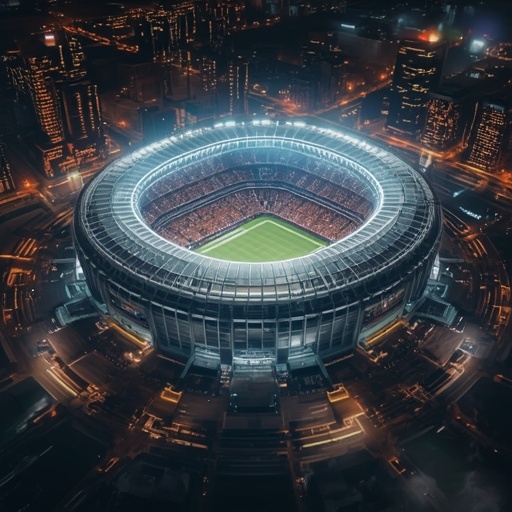
Set to unfold across a vast North American landscape, with cities in the United States, Canada, and Mexico collectively hosting unprecedented numbers of matches, this World Cup epitomizes the expanding commercialization of sport. The tournament’s scale and logistical complexity mirror the ambitions of a society that understands entertainment through the lens of spectacle, where corporate branding, luxury hospitality, and data-driven fandom take precedence over communal experience and accessibility. Each stadium transformed into a profit-generating hub echoes an underlying question: can the heart of the game survive in an era when passion is priced and authenticity is monetized?
The American touch—defined by its powerful marketing, showmanship, and consumer focus—has undeniably reshaped the essence of this global event. Traditional footballing nations, long accustomed to celebrating the sport’s purity, may look upon the 2026 edition as both awe-inspiring and troubling. Ticket packages bundled with premium services, VIP zones replacing grassroots plazas, and streaming deals turning matches into content commodities reveal a larger narrative: the growing distance between the business of football and its emotional core.
At the heart of these dynamics lies an unsettling irony. The same enthusiasm that once united fans from every corner of the globe now fuels an ecosystem in which exclusivity thrives. Brand alliances, advertiser-driven scheduling, and the pursuit of record-breaking revenues have quietly shifted the balance of power, making the global game less about collective joy and more about economic optimization.
In this new world of high-stakes sports capitalism, the 2026 World Cup serves as both triumph and warning—a reminder that greatness measured solely by profit margins risks extinguishing what made football universal in the first place. For FIFA, success may be counted in billions. For the fans who breathe life into the stands, the question lingers: what, exactly, remains of the world’s game when its price keeps climbing beyond reach?
Sourse: https://www.businessinsider.com/how-america-broke-the-world-cup-2026-6