The emergence of independent filmmaking on YouTube represents one of the most transformative shifts in modern cinema. What once began as a platform for casual content creators and short-form entertainment has evolved into an ecosystem capable of producing globally recognized works of narrative art. Low-budget yet conceptually rich horror phenomena such as *Backrooms* and *Obsession* exemplify this transition. They demonstrate that a filmmaker armed with creativity, technical ingenuity, and an understanding of digital culture can command the same level of narrative tension and emotional engagement once reserved for major studio productions.
This movement is not simply about circumventing traditional gatekeepers; it is about redefining the essence of cinematic success itself. In an era where distribution, marketing, and audience building occur organically through online communities, the hierarchy between amateur and professional creators grows increasingly tenuous. The democratization of tools — from accessible editing software to high-quality cameras and powerful AI-driven effects — allows ambitious storytellers to achieve remarkable visual sophistication without the financial backing of Hollywood. Consequently, the distinction between a homegrown project and a theatrical release has never been less pronounced.
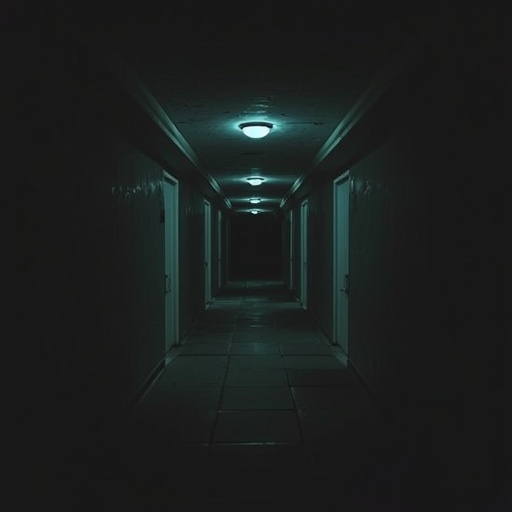
Projects like *Backrooms* and *Obsession* thrive precisely because they harness the unique aesthetic and psychological potential of digital horror — subtle, uncanny, and profoundly immersive. Their narratives play on the fear of the familiar rendered strange: sterile office corridors extending infinitely, or the unsettling intimacy of online connections that spiral into obsession. Through these minimalist yet conceptually expansive scenarios, creators engage viewers in participatory storytelling where the boundary between fiction and internet folklore blurs. This intricate relationship between audience and maker defines the new cinematic dynamic.
The rise of the YouTube filmmaker also heralds a broader cultural transformation. We are witnessing a shift from corporate authorship toward collective imagination, where inspiration circulates freely, and narrative ownership is fluid. What once required massive production crews and marketing budgets can now emerge from modest spaces — a bedroom studio, a refurbished basement, even a handheld smartphone setup. These creators are proving that resonance and originality, not monetary investment, are what capture the public imagination.
Ultimately, the success of these digital auteurs invites a reconsideration of how audiences measure quality and authenticity. The so-called “low budget” becomes an artistic choice rather than a limitation, foregrounding creativity as the true currency of modern storytelling. The internet, once dismissed as a repository for fleeting trends, has matured into the central stage of cinematic innovation — vast, unpredictable, and deeply human in its capacity for both fear and wonder. The new era of filmmaking is not merely adjacent to Hollywood; it is expanding beyond it, defining the future of global visual culture from the glowing screens in our hands.
Sourse: https://www.bloomberg.com/news/newsletters/2026-06-01/backrooms-obsession-usher-in-the-era-of-the-youtube-filmmaker