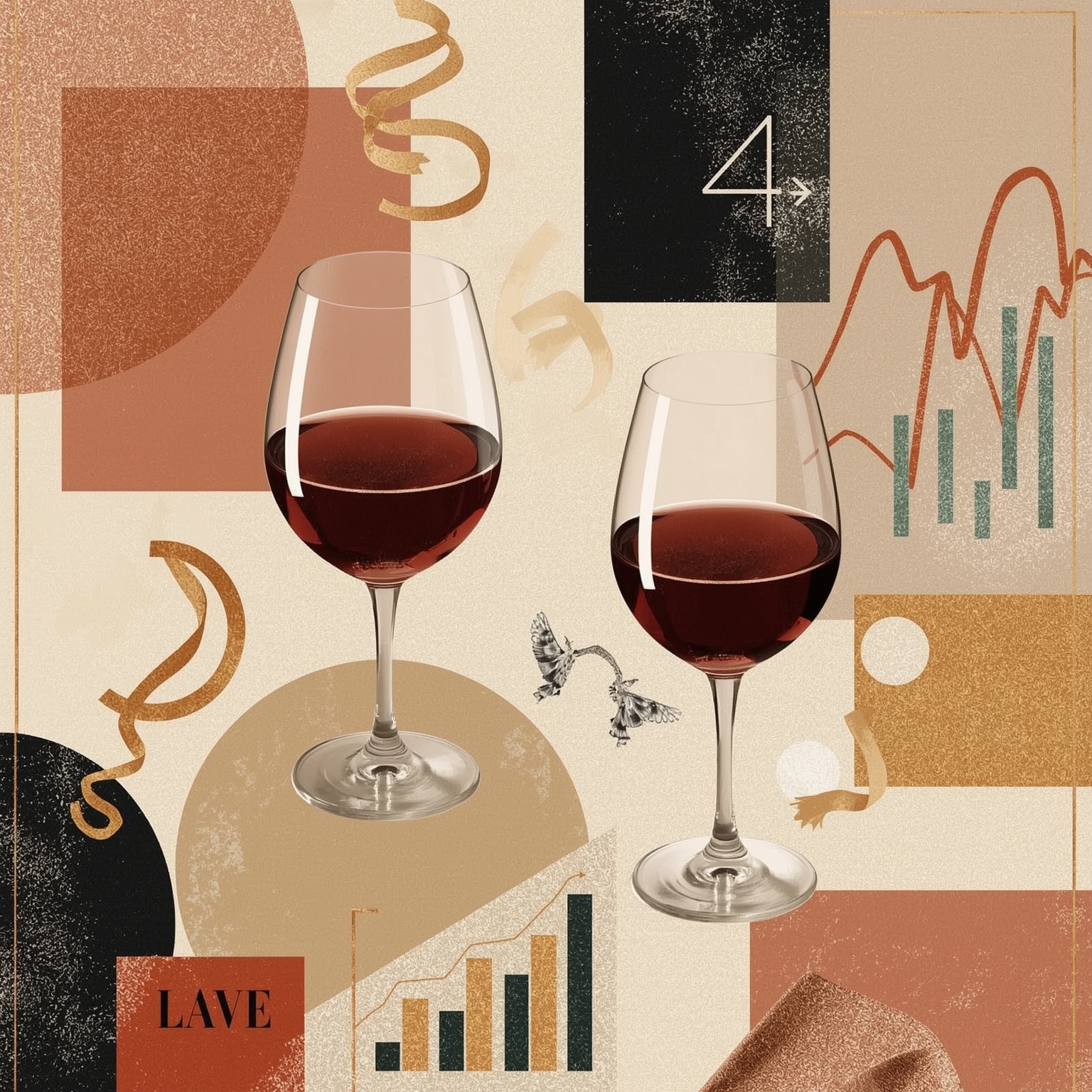
In 2015, while immersed in the intellectually stimulating journey of earning my MBA at IESE Business School in Barcelona, I found myself drawn toward an unexpected yet profoundly transformative interest—one that would permanently shape both my personal and professional identity. During one unassuming weekend, driven purely by curiosity rather than academic obligation or adviser recommendation, I decided to explore the world of wine by enrolling in an introductory course offered by the Wine and Spirits Education Trust at the Barcelona Wine School. What began as a spontaneous decision born of genuine intrigue soon evolved into a lifelong passion that continues to influence nearly every dimension of my career.
The initial Level 1 certification introduced me to the foundational principles of wine appreciation: understanding the primary grape varieties, identifying basic flavor profiles, and distinguishing among the major wine styles that define global viticulture. Yet my appetite for knowledge did not stop there. Eager to deepen my understanding, I proceeded to the more advanced Level 2 qualification, where I delved into the nuances of regional terroirs, explored how soil, climate, and tradition shape each unique appellation, and learned to navigate the often-complex language of wine labels. Over several months of study, tasting, and reflection, this pastime matured into an enduring enthusiasm that reached far beyond the boundaries of a hobby.
What I had initially regarded as a leisure pursuit soon revealed itself as a powerful professional advantage. My growing expertise in wine unexpectedly transformed my approach to networking, business development, and even the art of personal branding. Before discovering this passion, professional events often struck me as somewhat contrived—mechanical gatherings where conversation sometimes felt forced and transactional, especially when initiated with strangers whose only common ground was a shared professional setting. Approaching someone simply to discuss work could feel awkward, bordering on artificial. However, as my sommelier training progressed, I noticed a distinct and liberating shift in how I interacted with others. My knowledge of wine became a natural conversation catalyst, turning initial small talk into genuine dialogue.
Because most social gatherings inherently include some association with food and beverages, discussions about wine provided a seamless and inviting entry point for connection. I could casually mention an intriguing varietal, explain the subtle differences between a Rioja and a Chianti, or exchange anecdotes about vineyard experiences. Such conversations opened windows into broader topics—history, geography, and even cultural appreciation—each thread leading to deeper mutual understanding. As my confidence grew, I realized that wine was more than just a passion; it was an elegant bridge linking diverse personalities across industries and backgrounds.
Through this newfound avenue of communication, my professional network expanded in ways I could not have predicted. I have connected with entrepreneurs in Vancouver, Canada, through shared admiration for the crisp yet complex wines produced in British Columbia’s Okanagan Valley. In New York City, my home base, I have bonded with European travelers by exchanging stories about Italian varietals or describing my wine-tasting adventures in Bordeaux and Lisbon. These exchanges often transcended the superficial level of conversation, replacing routine business talk with authentic engagement. As a result, networking became not just a strategic necessity but a genuine pleasure—a chance to form connections rooted in shared enthusiasm rather than obligation.
This organic method of relationship building redefined how I viewed professional interactions. Instead of beginning each discussion with predictable topics such as work or weather, I found it far more rewarding to foster a dialogue about personal interests and inspirations. When conversations stemmed from authentic curiosity, follow-up communication naturally became more meaningful and less transactional. Moreover, my sommelier title served as a memorable personal detail—an element of surprise that sparked continued interest and goodwill long after the first meeting.
The influence of my wine expertise extended far beyond the social sphere and into the core mechanics of my business practice. As a public relations specialist, interpersonal connection is essential for attracting and retaining clients. Recognizing the magnetic quality of shared experiences, I began hosting informal wine tastings, each designed not just to showcase fine vintages but to stimulate relaxed, thoughtful discussion among potential clients, collaborators, and acquaintances. These gatherings, while convivial, also subtly reflected my professional strengths: the ability to communicate persuasively, curate experiences, and build brands authentically around shared passions.
Possessing this distinctive skill set allowed me to diversify my professional portfolio. No longer confined to projects within the predictable boundaries of finance or technology sectors, I could now confidently extend my expertise to fields that resonated more personally with me—industries such as food and beverage, lifestyle, travel, luxury goods, and hospitality. My intimate understanding of wine culture became a distinguishing factor that attracted clients seeking someone who not only understood marketing strategy but also embodied the aesthetic and experiential qualities their brands represented. In effect, my wine education became an amplifier of my professional credibility.
These authentic interactions have yielded opportunities I could scarcely have anticipated years earlier. Because of the conversational ease and personal resonance my wine background brings, hosts and organizers frequently invite me to specialized events I might never have discovered through conventional networking channels. I have been asked to deliver talks on personal brand building, to share insights on relationship cultivation, and to elucidate the strategies I used to develop an influential network from the ground up. Each engagement reinforces how a simple personal curiosity, when pursued with commitment, can evolve into a sustainable source of professional growth.
Nearly a decade has passed since I first enrolled in that introductory class at the Barcelona Wine School, and the rewards of that decision continue to unfold in unexpected ways. The professional collaborations, speaking engagements, and event-hosting opportunities that have emerged as a result of my journey into the world of wine have expanded my business pipeline, strengthened my reputation, and elevated my brand. More importantly, the process has allowed me to grow my social and professional circles organically, building meaningful connections that endure because they are grounded in shared curiosity, authenticity, and mutual respect.
By embracing a passion that lay entirely outside my traditional field of public relations, I stepped beyond the familiar boundaries of my comfort zone—and in doing so, I discovered a new dimension to both my career and my personal fulfillment. Today, I continue to experience the joy, intellectual stimulation, and professional enrichment that wine has brought into my life. And through it all, one truth remains constant: pursuing what you genuinely love can be not only enjoyable but also profoundly transformative, offering both personal satisfaction and unexpected professional success.
Sneha Saigal is the founder of Geeks and Experts, a public relations firm headquartered in New York City. You can connect with her on LinkedIn.
Sourse: https://www.businessinsider.com/sommelier-training-became-networking-superpower-2025-10


