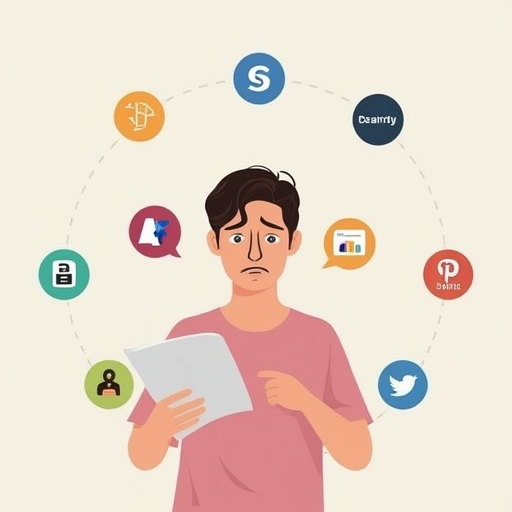
It began as an ordinary glance at my credit card statement—a quick check to ensure that everything was in order. Yet, what I found in those familiar lines of numbers and merchant names was far from routine. Hidden among legitimate expenses were recurring charges so small that they had escaped my notice for years. One by one, they revealed an uncomfortable truth: I had been quietly losing around $1,600 a year to forgotten subscriptions and auto-renewing services that no longer served any purpose in my life.
This discovery was both humbling and eye-opening. Many of the payments were for services I had once used diligently — a streaming platform for children’s shows, a premium photo editor I barely opened anymore, a niche mobile application that promised productivity miracles but never delivered. Each subscription seemed insignificant when viewed alone, but collectively, they represented a substantial financial leak. Like water dripping slowly from a cracked faucet, these small charges accumulated into a surprising amount of waste.
After the initial shock subsided, I decided to methodically review every recurring expense. I combed through my bank and card records from the past twelve months, identifying all automatic payments and matching them with their corresponding services. This audit revealed what most financial experts often emphasize: that digital convenience can blur the boundaries between mindful spending and passive waste. The rise of frictionless payment systems—stored cards, one-click renewals, and hidden subscription settings—makes it alarmingly easy to pay for things indefinitely without realizing it.
Canceling these subscriptions became a process of both recovery and reflection. Some platforms hid the cancellation button behind multiple confirmation screens, as if to discourage letting go. Others sent persuasive follow-up emails promising discounts if I stayed. Yet as I cleared each unnecessary charge, I felt an increasing sense of control and empowerment. Watching my monthly outflow decrease was deeply satisfying; it was as if I had granted myself a modest raise simply by paying more attention.
The experience served as a vivid reminder that financial well-being is not only about earning more but about spending consciously. I now schedule a biannual “subscription audit”—a short session where I review all renewals, verify whether I still use or value each service, and remove anything that no longer aligns with my habits or priorities. This simple discipline ensures that money once wasted on forgotten conveniences can now be redirected toward savings, household needs, or experiences that truly matter.
If there is a moral to my story, it is this: our financial security often leaks away in unnoticed drips, not giant floods. Vigilance, however, is the key to restoration. By taking just a few minutes to examine recurring charges, cancel outdated commitments, and reclaim financial awareness, anyone can uncover unexpected opportunities to save. What seemed like a tedious administrative task ultimately became one of the most liberating acts of financial self-care I’ve ever undertaken.
So pause today, open your banking app, and confront those quiet costs that dwell in the background. The process may surprise you—both in how much you’ve been losing and how good it feels to take that control back. After all, financial freedom doesn’t always come from making more money; often, it begins by simply ceasing to let it slip away unnoticed.
Sourse: https://www.businessinsider.com/wasted-thousands-dollars-unsued-subscriptions-parenting-2026-2