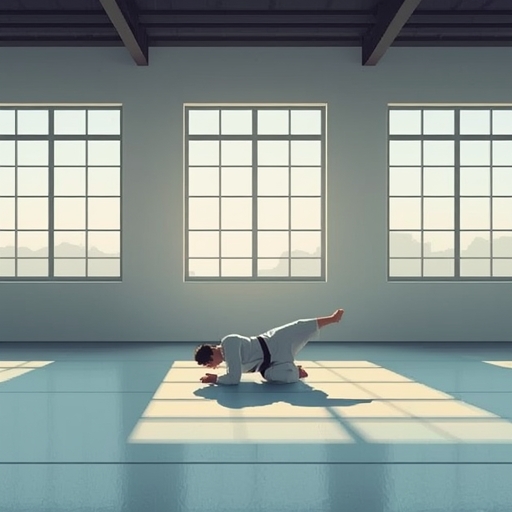
At the age of thirty, returning to my hometown felt simultaneously comforting and disorienting—as though I had stepped into a familiar landscape that no longer quite fit the person I had become. The streets were the same, yet their rhythm felt slower, quieter, almost foreign after years of living abroad amid movement and novelty. That sense of displacement was profound; it was as if I had pressed pause on a vivid chapter and suddenly found myself back at the beginning of a story I thought I had already finished. I struggled to reconcile who I had been with who I was now, feeling suspended between gratitude for home and restlessness for what I had lost.
Then, quite unexpectedly, I found a catalyst for transformation in an unassuming gym at the edge of town: a local Brazilian jiu-jitsu class. What began as a simple decision to try something new soon evolved into a journey of rediscovery. Each session on the mat challenged not only my body but also the quiet doubts that had taken root in my mind. The discipline of learning grips, postures, and techniques became a metaphor for regaining control over my own direction. There was humility in being a beginner again—submitting to instruction, failing repeatedly, and still showing up. Yet in that humility, I found freedom.
Brazilian jiu-jitsu demanded presence. It required me to silence internal chatter, to focus entirely on movement, balance, and breath. Gradually, through the repetition of small, deliberate actions, I began to rebuild confidence that extended beyond the dojo walls. The physical strength I developed was only part of the change; more important was the resilience that surfaced when I realized progress depended not on perfection but on persistence. Like life itself, the mat became a place to practice patience and adaptability—to learn when to fight for position and when to yield.
With time, the community around the practice became equally transformative. Fellow students—each carrying their own stories of change, loss, or ambition—welcomed me without hesitation. Together, we created an environment where growth was collective rather than competitive. It reminded me that even when starting over feels isolating, connection is always within reach once we allow ourselves to share the effort and the struggle. The camaraderie of training sessions extended into everyday life, rekindling my appreciation for simple human connection.
Looking back now, I realize that jiu-jitsu was never merely a hobby. It was a framework for renewal, teaching me that new beginnings are not confined by age, geography, or circumstance. The discipline reinforced that confidence is not something lost forever; it is rebuilt little by little through action, through every attempt to rise after being grounded. Moving home had once seemed like a setback, but it became a fertile ground for inner change—a chance to redefine what strength and purpose meant.
Today, when I step onto the mat, I do so with a sense of peace I never expected to find. What once felt like an ending has become an opening. In starting something new, I discovered not just a skill or a sport, but a renewed understanding of myself. Growth, I have learned, does not depend on where we are; it begins wherever we choose to begin again.
Sourse: https://www.businessinsider.com/moved-back-to-hometown-found-hobby-mental-health-improved-2026-4


