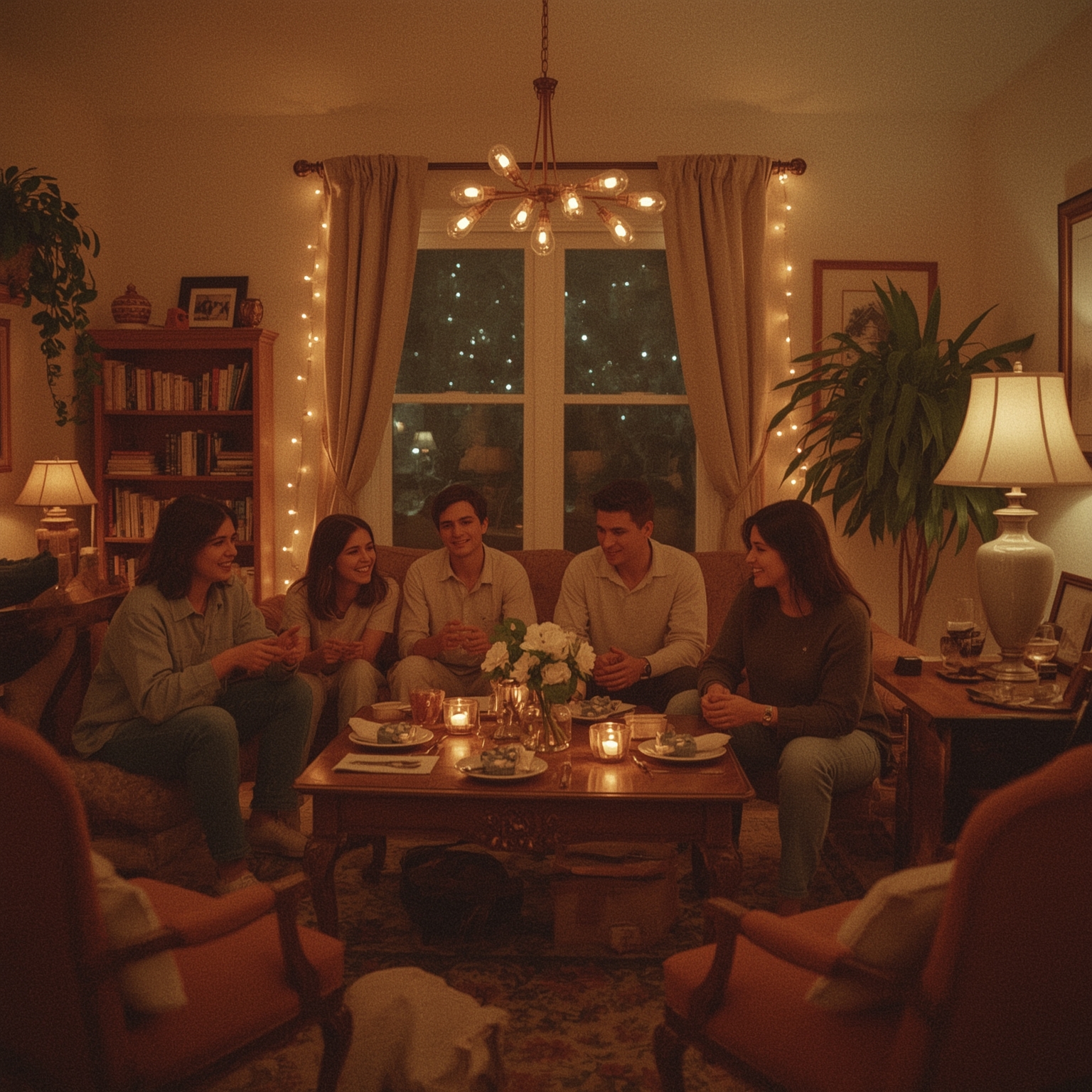
In 2023, several years after relocating to Alabama so that my husband could pursue his lifelong professional aspiration of working at NASA, I found myself engulfed by an unfamiliar and almost suffocating solitude. The move, which had initially felt like an exciting leap of faith toward opportunity, had quietly transformed into an emotional challenge: I now faced the reality of adulthood situated more than four hundred miles away from the comfort of our hometown, separated from family, lifelong friends, and the deeply woven social network that had once supported every stage of our lives. In that disorienting stillness, I recognized that without intentional effort, our world could easily shrink to the narrow boundaries of our own home. I began to feel an acute sense of urgency—as though we were racing against an invisible clock—to cultivate a new community capable of sustaining us as we prepared to begin our family.
With that awareness came determination. I resolved to devote the entirety of the following year to pursuing, without hesitation, any possibility that might lead to meaningful connection. My self-imposed mission became almost a discipline: I enrolled in pottery lessons, not merely as a hobby but as a structured way to meet others with creative inclinations. I arranged countless coffee dates, often initiated through a combination of bravery and curiosity. I attended local networking gatherings, organized casual baking days, and even relied on social media as a modern form of outreach—messaging women in my area whose posts resonated with me. Each note opened with a hesitant confession: “This might sound odd, but I think we should be friends.” Every new message was a chance to bridge the gap between isolation and belonging.
In the midst of this deliberate pursuit, I unexpectedly discovered a deep affection for the art of planning intimate gatherings. Hosting events, no matter how small, became both my creative outlet and my social catalyst. I noticed that when I allowed myself to take the role of the organizer—the person willing to arrange, invite, and create—I exponentially multiplied my opportunities for connection. The simple act of extending invitations became a quiet form of empowerment. By curating experiences around my genuine interests, I not only attracted companions who shared those passions but also built an environment where friendship could take root naturally. In the summer of that same year, my husband and I hosted our first seasonal “produce party,” a joyful celebration of local harvests that transformed our home into a bustling space filled with conversation, color, and laughter. Through that event, I witnessed how communal joy can arise from even the smallest acts of intentional gathering.
For years before this transformation, I had often sat at home wondering why my social calendar remained empty. I would scroll through social media, half-convinced that everyone else was participating in invisible circles of friendship from which I had been inadvertently excluded. I questioned myself—was I missing some unspoken social skill? Was there something about me that subtly pushed others away? Yet, once I began taking deliberate steps to engage, I discovered the simple and liberating truth: most people were not excluding me at all—they simply were not planning anything either. The world was full of individuals equally preoccupied, juggling work, family duties, workout classes, daycare drop-offs, deadlines, and endless logistical responsibilities. Beneath the surface, many were simply waiting for someone else to take the initiative.
So, I stepped forward. I began hosting with regularity, transforming my home into a kind of informal community center, a place where shared experiences could emerge without pretense. I carefully sketched ideas for gatherings that reflected what I personally found delightful—seasonal produce feasts, autumn pumpkin carvings, friendly game nights, cozy dinner parties with trusted companions, watercolor painting sessions, and spontaneous Saturday morning trips to the farmers market. Through these varied events, my social world expanded in a way that felt organic and sustainable. The response from others was overwhelmingly enthusiastic. I gradually learned to identify and cherish what I call the “joiners”—those generous spirits who strive to say yes, who bring warmth, presence, and reliability to every occasion. They became the essential fuel that kept my enthusiasm for hosting alive.
It brings me immeasurable joy to see our modest home alive with conversation, music, and laughter—to witness friendships forming between people who once entered our door as strangers. When the final guest drifts away and the last remnants of the night linger—half-empty glasses, crumbs across the counter, the scent of candles still hanging in the air—my husband and I often exchange a quiet look of gratitude. There is a deep, almost aching satisfaction in knowing that our efforts are gradually building something lasting and meaningful: a community, a chosen family that gives life a sense of rootedness.
Yet, even amid that joy, I would be dishonest if I pretended that planning did not come with its own cost. Being the initiator within any group requires both time and emotional labor. The logistics alone can feel endless—tracking availability, crafting and sending invitations, managing RSVPs, designing menus or activity plans, and absorbing the financial expense that often accompanies hosting. My husband and I routinely devote an entire day to preparing for one evening of connection, from scrubbing our kitchen to arranging fresh flowers. Despite the exhaustion, we frame it as a sacred investment, a deliberate effort to build the world we wish to inhabit. We believe each gathering—each laughter-filled evening—lays the groundwork for lifelong friendships and for that deeply sought-after “found family” that so many in our generation long to discover.
Still, even in the glow of fulfillment, I sometimes feel the faint sting of disappointment when that same level of effort is not reciprocated. I recognize the privilege inherent in having the time, resources, and emotional capacity to host so often; it is not lost on me that such ability is a gift. I embrace, even delight in, my unofficial title as the group’s resident “Ina Garten”—the one who curates menus, lights the candles, and ensures everyone feels at home. Yet on those rare occasions when I am invited elsewhere and can simply arrive—perhaps carrying a salad or bottle of wine instead of a to-do list—I am reminded of what an immense act of generosity hosting truly is. To sit back and enjoy the fruits of connection without carrying the invisible weight of coordination feels like a privilege in its own right.
And so, I sometimes catch myself wondering about the future. What will happen if our lives become more demanding—if children, careers, or unforeseen circumstances narrow my availability to plan and host? Would someone else be ready to assume that role, to take up the torch of organization and initiation? How might a few devoted joiners transform into confident planners themselves, ensuring that the bonds we’ve built continue to flourish? These questions linger in my mind, intertwined with both hope and humility, as I continue to learn that community, though fragile, can indeed be crafted—one invitation, one gathering, and one genuine act of welcome at a time.
Sourse: https://www.businessinsider.com/lonely-after-moving-making-friends-tips-2025-10