The convergence of global sports events and the high-end fashion industry has evolved into far more than a fleeting cultural trend—it has become a major economic and aesthetic force that redefines both industries. Across continents, the world’s most watched tournament, the World Cup, is no longer simply a display of athletic mastery; it now serves as a global fashion stage that illuminates the synergy between performance excellence and personal expression.
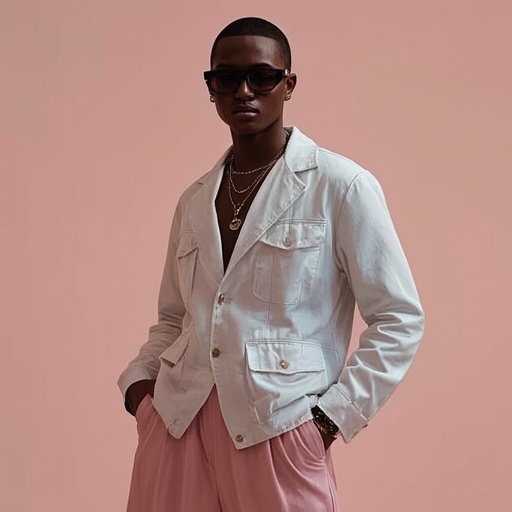
Elite athletes, once known primarily for their achievements on the field, now frequently double as style icons and ambassadors of luxury design houses. Their choices—ranging from impeccably tailored suits to avant-garde streetwear—reflect how sports figures have embraced self-image as an integral aspect of their brand identity. This shift has transformed player wardrobes into carefully curated statements that influence millions of fans and even reshape the strategies of fashion conglomerates seeking new audiences.
The phenomenon extends beyond visible adornment: from performance-enhancing garments that merge technology with couture-level craftsmanship, to collaborations between sportswear giants and luxury designers, the boundaries that once separated the locker room from the runway have effectively disappeared. A footballer’s off-duty ensemble, complete with high-end accessories and distinctive hairstyles, often garners as much media coverage as a goal celebration—demonstrating how appearance and athleticism now coexist as complementary dimensions of modern celebrity.
Meanwhile, social media amplifies this dynamic on an unprecedented scale. Every post, photograph, or red-carpet moment becomes both inspiration and advertisement, illustrating how personal branding fuels engagement and commercial growth simultaneously. Fans emulate their idols not only in athletic spirit but in sartorial presentation, driving consumer demand for designer collaborations and limited-edition sports collections. The result is a feedback loop where the line between sport performance and fashion marketing grows increasingly blurred.
In essence, the World Cup provides a spectacular lens through which this fusion can be observed and celebrated. It is a vivid demonstration that today’s athletes are as much curators of cultural taste as they are champions of competition. Their fashion choices—once incidental—now serve as strategic tools within an ever-expanding global marketplace, proving that the game of style can be just as lucrative and thrilling as the game itself.
Sourse: https://www.businessinsider.com/erling-haaland-fashion-style-big-business-hermes-nike-hair-tie-2026-7