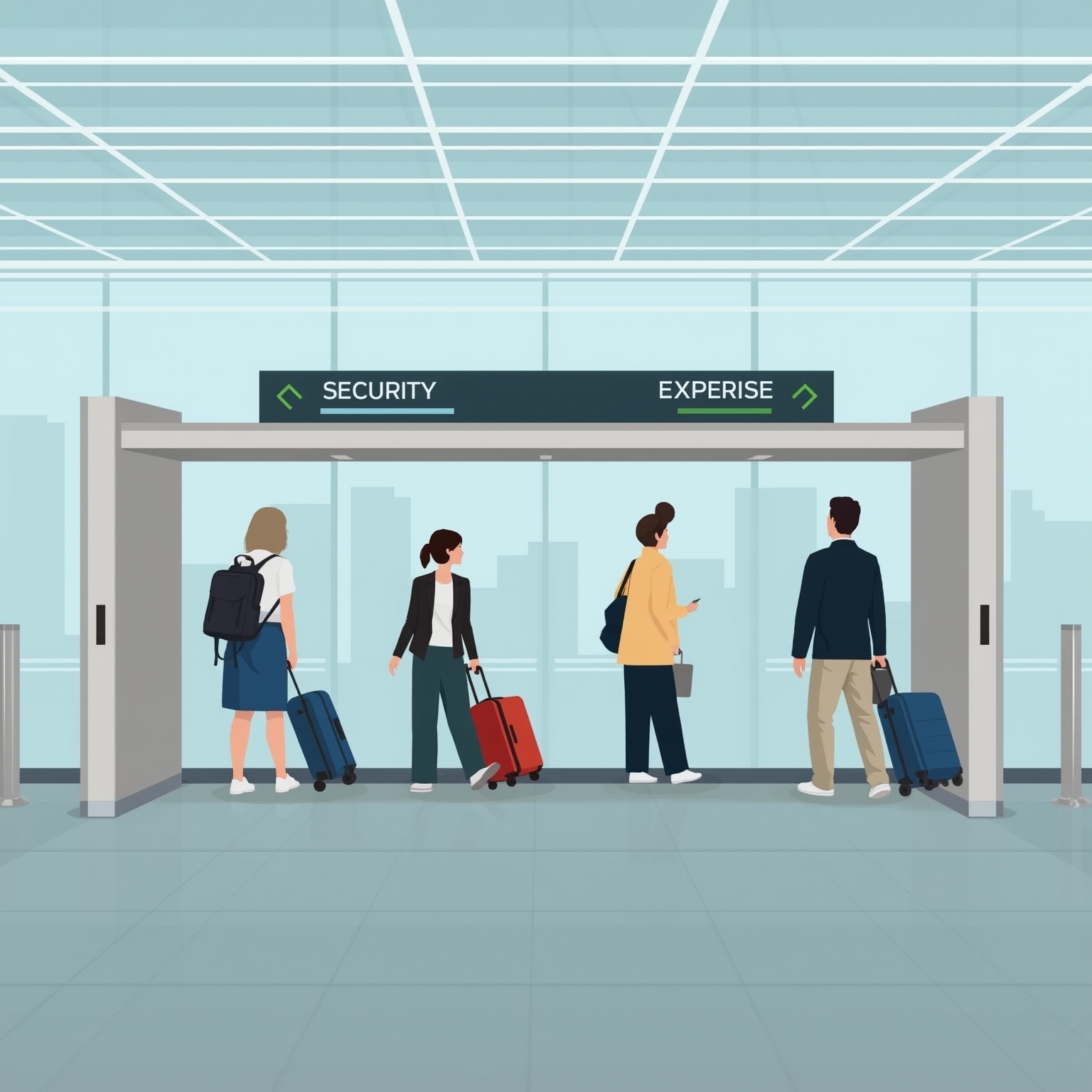
For seasoned travelers who have benefitted from TSA PreCheck for years, the program’s once seamless promise of swift movement through security has, in recent times, begun to feel somewhat diluted. What was once a model of efficiency—a sanctuary from the endless shuffle of belts, shoes, and laptops—now frequently crawls forward at a frustrating pace. The culprit isn’t inefficiency on the part of airport staff, but rather the growing influx of newcomers fumbling through unfamiliar protocols. Many first-time PreCheck users can be seen awkwardly producing passports at the counter, hesitating before scanners, or even slipping off their shoes unnecessarily—actions that contradict the very purpose of this expedited service. This trend has grown markedly more visible as participation in the program surges across the country.
In August 2024, the Transportation Security Administration announced that TSA PreCheck enrollment had reached an unprecedented twenty million travelers, setting a new record. This surge represents a welcome expansion of trusted travelers, yet it also means that those accustomed to breezing through checkpoints now find themselves sharing the line with less-experienced participants. The PreCheck process was designed to allow low-risk, pre-screened passengers to maintain their light jackets, keep electronics and liquids packed in carry-on luggage, and pass effortlessly through security scanners without needing to perform the usual undressing dance of traditional airport screening. Enrollment typically costs about eighty-five dollars for a five-year membership, but many frequent flyers offset or eliminate this fee entirely through premium credit cards such as the Capital One Venture, Capital One Venture X, Chase Sapphire Reserve, Delta SkyMiles, or various American Express offerings. These cards reimburse the application fee as part of their travel benefits, rendering PreCheck access virtually complimentary for those who hold them.
Yet this efficiency only endures when participants understand and respect the unspoken etiquette of the PreCheck lane. It remains, at its core, an express line through airport security—and a single misstep by an ill-prepared traveler can disrupt the rhythm for everyone else. Frequent flyer and aviation blogger Gilbert Ott, who logs more than 200,000 flight miles each year and runs the travel site *God Save the Points*, emphasizes how invaluable the program has become to his personal and professional life. Describing his deep familiarity with airports worldwide, Ott admits that while he enjoys the unique atmosphere of air travel, extended hours in terminals can strain even a passionate traveler’s patience. The faster he can complete security formalities and settle into his seat on the plane, the more enjoyable and efficient his journeys become. His blog explores every dimension of modern travel—from airline updates and honest flight reviews to cost-saving strategies and the nuanced art of maximizing credit-card reward points.
Ott has observed that although the TSA PreCheck line predominantly attracts veteran travelers, the rapid increase in membership has introduced many individuals unfamiliar with routine security practices. These less-experienced participants, while well-intentioned, can inadvertently slow down the process, particularly during peak travel seasons or holidays. Recognizing this slowdown, Ott has offered a series of practical suggestions aimed at improving both individual efficiency and collective flow within the express lane.
His first recommendation is something he refers to as “pre-stripping before arriving at the airport.” This playful term doesn’t involve anything dramatic but rather signifies the simple act of removing all nonessential items—belts, large jewelry, watches, or anything stored in pockets—before approaching the security area. Ott personally removes his belt long before reaching the terminal, storing it neatly in his backpack until after he’s cleared security. He advises passengers to slip valuable accessories or metallic objects into their bags early, ensuring that when they reach the conveyor belt and scanners, they can proceed smoothly without causing a bottleneck. Once past the checkpoint, travelers can replace their accessories and restore their ensemble—away from the anxious crowd still waiting to be screened.
For comfort and convenience, Ott favors a practical yet stylish travel uniform: a pair of comfortable jeans, a soft T-shirt or hoodie, and a lightweight bomber jacket. Before stepping into the queue, he transfers indispensable items such as his phone and passport into his jacket pockets. When his turn arrives at the scanning area, he simply removes the jacket, confirming that his pockets are empty, places his bags and jacket on the trays, and walks through the scanner without delay. This streamlined approach embodies the essence of PreCheck: efficient, unhurried, and respectful of the time of others.
Another of Ott’s major tips concerns footwear. Although TSA PreCheck participants are not generally required to remove their shoes, those with heavy embellishments, metal plating, or decorative buckles frequently set off alarm sensors, prompting additional checks that negate the speed advantage of the program. According to Ott, travelers should be conscious of such potential triggers. Footwear constructed largely from rubber, fabric, or ceramic composite materials rarely poses a problem. In his experience, casual sneakers are almost always a safe and reliable option, enabling security clearance without incident.
Finally, Ott underscores the importance of mental preparedness and anticipatory organization. Every traveler should have both their boarding pass and government-issued identification readily accessible by the time they step up to the agent. Too often, people begin rummaging through their belongings while others wait impatiently behind them, causing unnecessary delays. PreCheck, when executed properly, thrives on collective rhythm: if each traveler spends even twenty extra seconds searching for documentation, that small inefficiency, multiplied by tens of thousands of passengers each day, compounds into extensive waiting times. As Ott points out, if every participant arrived at the checkpoint ready—ID and boarding pass in hand—the overall speed of airport screening would improve enormously, leading to a smoother and more pleasant travel experience for everyone involved.
In essence, TSA PreCheck remains one of the most effective investments for frequent travelers seeking a balance between security and convenience. However, its continued success depends not only on expansive enrollment figures or technological efficiency, but equally on an informed and considerate traveling community. By embracing Ott’s insights—preparing thoughtfully, dressing smartly, and acting with awareness—each passenger contributes to keeping the fast lane truly fast.
Sourse: https://www.businessinsider.com/tsa-precheck-etiquette-get-through-airport-security-fast


