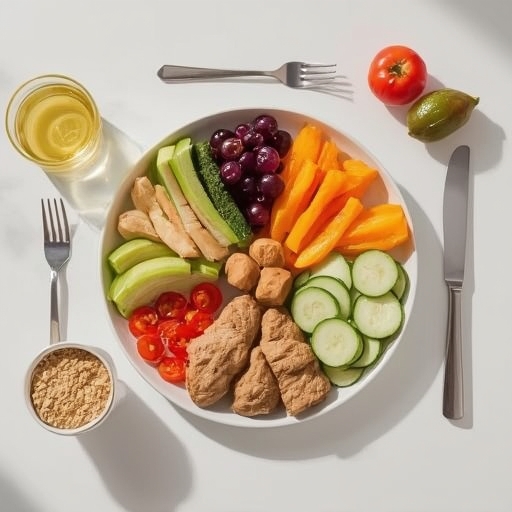
Eating well while taking GLP‑1 medications can present unique challenges, particularly because these medications naturally suppress appetite. However, nourishment remains essential, and the key lies in emphasizing the quality of your food rather than the quantity. Instead of trying to increase portion sizes, the focus should shift toward maximizing nutritional value within every bite. By making thoughtful dietary choices, individuals can ensure that even smaller meals are rich in the protein, fiber, vitamins, and minerals their bodies still require for sustained vitality and health.
A balanced strategy begins with prioritizing lean proteins—such as grilled chicken, fish, eggs, tofu, or legumes—which play a crucial role in preserving muscle mass and supporting metabolism, particularly when overall intake decreases. Pairing these proteins with colorful, fiber‑rich vegetables helps enhance satiety and digestive health while contributing valuable antioxidants and phytonutrients. Incorporating small servings of whole grains or other complex carbohydrates, such as quinoa, oats, or sweet potatoes, can further provide a steady release of energy without overwhelming the appetite.
Because those on GLP‑1s often experience early fullness, nutritionists recommend adopting a pattern of smaller, more frequent meals or nutrient‑dense snacks throughout the day. For example, a mid‑morning mini‑meal might combine Greek yogurt with berries and chia seeds, while an afternoon option could feature hummus with sliced cucumbers or a handful of nuts. These compact combinations allow individuals to meet nutritional targets gradually, avoiding discomfort while ensuring steady nutrient intake.
Hydration also plays an often underestimated role in appetite and digestion. Sipping water or herbal tea between meals helps maintain hydration without interfering with limited stomach capacity during eating. Likewise, mindful eating—slowing down, savoring flavors, and noticing fullness cues—can enhance enjoyment and help prevent undereating from occurring unintentionally.
Ultimately, thriving on GLP‑1 therapy is not about forcing larger meals or rigid dietary patterns but embracing a mindful approach that emphasizes nutrient density, balance, and listening to the body’s natural signals. Each meal becomes an opportunity to supply essential building blocks for energy, immune resilience, and overall well‑being. Even when appetite wanes, carefully chosen, high‑quality foods—rich in protein, fiber, and wholesome nutrients—ensure that small bites truly deliver big nutrition.
Sourse: https://www.businessinsider.com/what-nutritionist-eat-in-a-day-glp-1s-protein-fiber-2026-4