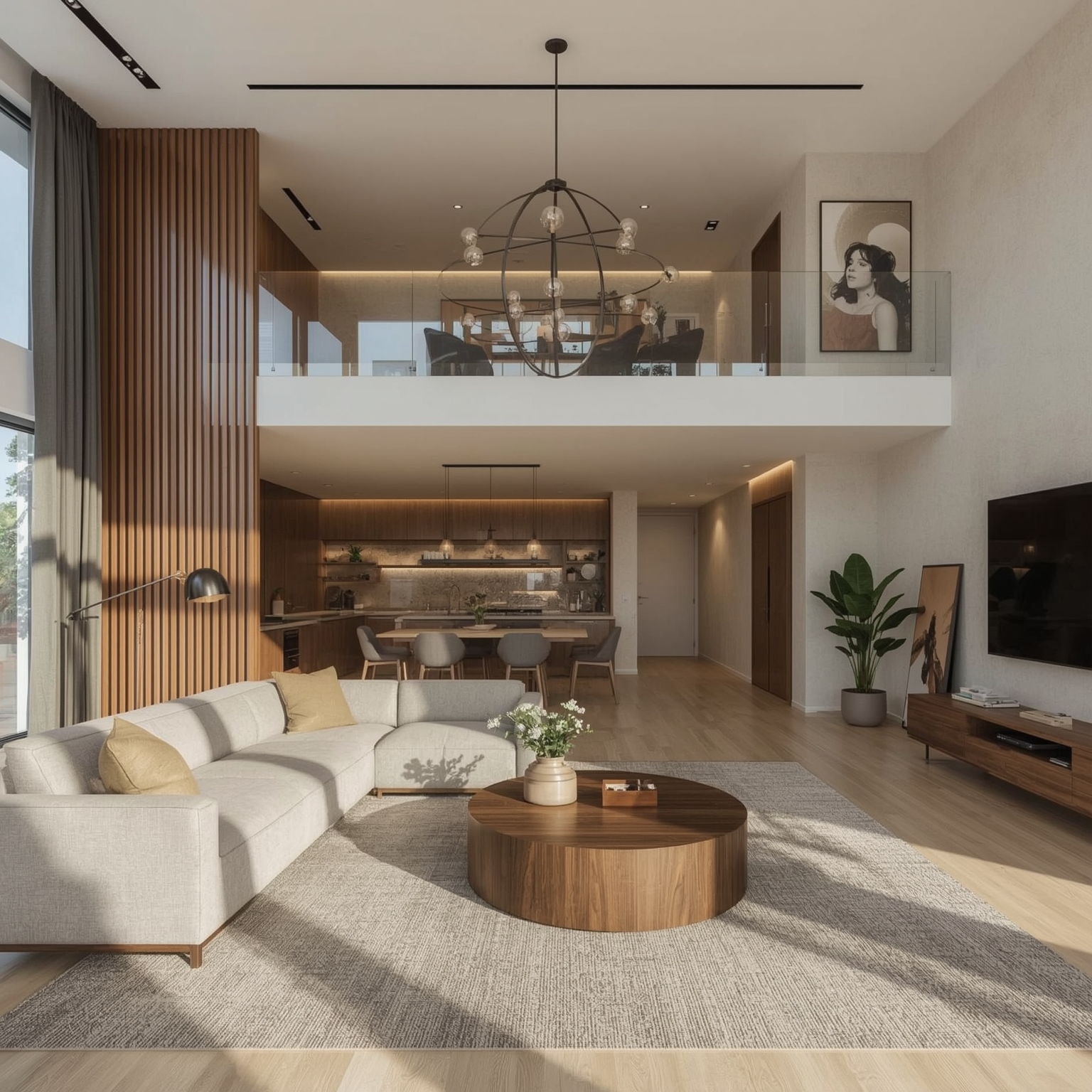
When discussions turn to open-concept living, people often find themselves extolling its virtues: the effortless way it accommodates social gatherings, the visual harmony of interconnected rooms, and the pleasant continuity that allows one to remain engaged with family or guests while preparing a meal. Enthusiasts frequently highlight the aesthetic appeal of seeing their entire living area unfold before them, a fluid environment that marries kitchen, dining, and lounge spaces into one cohesive experience. Yet, amid this enthusiasm, what often escapes mention are the very real challenges inherent in such openness. Every unwashed dish or stray cooking utensil stands on full display when hosting dinner parties, transforming minor messes into conspicuous distractions. Similarly, the absence of partitions can make it nearly impossible to concentrate—imagine trying to read in the dining area while someone else watches television just a few feet away. Even the smallest item left on a countertop can draw the eye, subtly eroding the room’s sense of order and calm.
For years, open-concept floor plans dominated both the home-design industry and the social media landscape, becoming synonymous with aspirational living. Interior renovation shows championed expansive layouts bathed in natural light, while styled Instagram feeds made the aesthetic feel like the ultimate goal for contemporary homeowners. However, this once beloved trend has begun to decline in popularity, as more individuals rediscover the practicality and comfort of defined, purpose-driven spaces. Increasingly, homeowners are prioritizing functionality over the purely visual appeal of open flow, responding to new needs born of daily routines and modern lifestyles.
According to interior design professionals interviewed by Business Insider, this shift stems primarily from the realization that open-concept homes—though visually appealing—often fail to support the rhythms of everyday life. When remote work became widespread, many people found themselves sharing a single vast room that suddenly had to serve as office, recreation area, and dining hall simultaneously. Heather Goerzen, director of content and design at Havenly, articulated this collective awakening: while we are drawn to openness and light, confinement within shared spaces revealed a deeper need for privacy and personal boundaries. During lockdowns, couples and families alike began to ask a seemingly simple question: how does one carve out a sense of individuality in an environment where every noise, movement, and visual cue is shared?
Rachel Stults, managing editor at Realtor.com, echoed this sentiment, explaining that the very layouts once celebrated for their sociability became impractical when homes had to accommodate every aspect of life. The absence of separation proved unsustainable for productivity, relaxation, and concentration. What was once effortless togetherness began to feel confining. As a result, homeowners increasingly desired the ability to close off areas—to define them physically or visually—so that each room could once again serve a specific intention.
This evolving mindset has led to a resurgence of interest in structured interiors. Many families now long for discernible boundaries, and some have even embarked on renovations to reconstruct what open-concept design had removed. Goerzen and other designers note the rise of projects that reintroduce walls, partitions, or doorways, sometimes transforming wide passages into cozy nooks. Stults adds that house hunters are actively seeking layouts that include enclosed kitchens or dedicated dining rooms, favoring spaces that offer retreat as well as togetherness.
Dan Mazzarini, creative director of BHDM Design, points out that these considerations are particularly vital when preparing a home for sale. For potential buyers, an open layout can be both inspiring and overwhelming. A carefully arranged interior that subtly outlines different zones—perhaps a living corner distinct from a workspace or play area—helps viewers imagine multiple ways to inhabit and utilize the property. Mazzarini advises consulting with a real estate professional who understands market expectations, since each demographic may perceive open plans differently depending on lifestyle and location. Even small strategic interventions, he emphasizes, can significantly enhance a buyer’s emotional connection to the space.
Of course, not everyone wishes to embark on structural renovations or endure the expense of building entirely new walls. Fortunately, designers highlight numerous alternative methods for visually and functionally distinguishing zones within a shared layout. The guiding principle is to approach space division through deliberate design choices rather than permanent construction. By using furniture, lighting, or simple décor adjustments, one can achieve the same sense of intimacy that traditional walls provide.
Mazzarini notes that the key lies in allowing function to dictate form. Each area should announce its purpose clearly—be it for dining, relaxing, or working—so that movement between zones feels intuitive. Furniture placement plays an essential role in this. Rather than pressing a sofa against a wall, situating it along the center of the room can naturally delineate the living zone from the dining area. Similarly, a console table or low cabinet can act as a subtle yet effective dividing line, creating the psychological impression of separation without impeding flow or openness.
Rugs offer another elegant and practical way to define zones. Goerzen explains that using distinct but complementary rugs under the dining table and in the seating area helps anchor each section, providing visual cues that signal different activities. Beyond rugs, taller pieces such as bookcases, freestanding shelves, or folding screens can create partial enclosures—perfect for those seeking added privacy or acoustic buffering within an expansive layout. Still, Goerzen cautions that not every homeowner enjoys the aesthetic of vertical boundaries, and achieving balance often requires experimentation. One must play with proportion and scale until the space feels cohesive yet comfortably divided.
Ultimately, successful design in open-concept living hinges on intentionality. By envisioning how each zone should function—where people eat, converse, work, or unwind—homeowners can craft interiors that feel simultaneously connected and personalized. This thoughtful approach transforms what might appear as one undifferentiated expanse into a curated sequence of experiences, each with its own atmosphere and rhythm. In doing so, open spaces retain their light and airiness while gaining the structure and calm that align them more closely with real life.
Sourse: https://www.businessinsider.com/how-to-break-up-open-floor-plan-interior-designers


