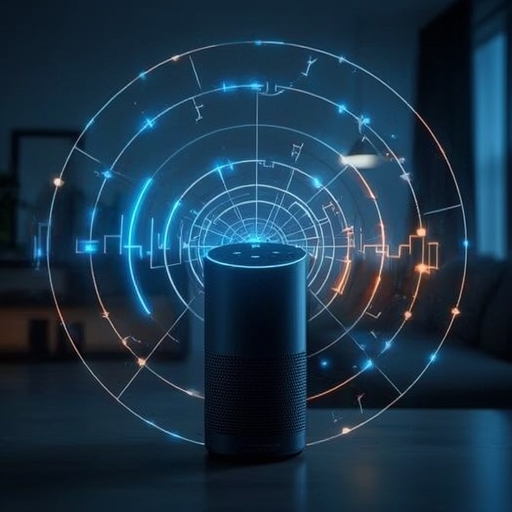
The story of how voice technology truly came to life is a fascinating evolution from an ambitious dream into a transformative cornerstone of modern living. It began with a deceptively simple vision — to create a device capable of understanding, interpreting, and responding to the human voice with accuracy, empathy, and intelligence. Yet what seemed like a straightforward challenge quickly unfolded into one of the most complex engineering pursuits of the 21st century. The innovation behind the Amazon Echo and other voice‑powered assistants demanded a combination of cutting‑edge artificial intelligence, extensive linguistic modeling, and relentless experimentation with real‑world usage patterns.
At its heart, this journey represents more than just the creation of a smart speaker; it encapsulates humanity’s ongoing quest to build machines that communicate naturally, intuitively bridging the gap between human thought and digital execution. Every aspect of the Echo’s design — from its far‑field microphones capable of detecting speech across noisy rooms, to its integration with vast cloud‑based neural networks — was crafted to make technology feel less mechanical and more conversational. Through countless iterations, engineers and scientists refined the system’s ability to learn from human interaction, drawing on vast datasets of spoken language to recognize accents, tone, and even the emotional intent behind words.
In many ways, the rise of the Echo reflects a broader transformation in how society envisions artificial intelligence. No longer confined to research labs, AI became something personal and ever‑present — an assistant capable of managing daily tasks, responding to curiosity, and even shaping the atmosphere of a home through sound, light, and connected devices. The success of this innovation also underscores the importance of interdisciplinary collaboration: acoustic engineers worked side by side with data scientists, interface designers, and linguists, ensuring that the device’s responses felt contextually aware and humanlike rather than robotic.
Perhaps most remarkable is how the Echo ignited an entirely new category of technology — the smart home ecosystem — forever altering the way people experience comfort, convenience, and connectivity. What began as an idea for effortless voice control grew into a global movement toward frictionless human‑machine interaction. It empowered millions of users to control lights, schedule appointments, play music, and seek information with nothing more than the natural rhythm of their own speech. In doing so, it blurred the line between the physical and digital worlds, giving technology an almost invisible yet omnipresent presence in everyday life.
Ultimately, the journey behind the Echo is a celebration of persistence, imagination, and the belief that technology should adapt to people, not the other way around. It demonstrates how artificial intelligence, when guided by empathy and creativity, can enhance the human experience — turning once‑impossible concepts into tools that speak, listen, and truly understand. This narrative reminds us that every great leap in innovation begins not with code or circuitry, but with the enduring human desire to be heard and understood.
Sourse: https://www.theverge.com/podcast/907146/amazon-echo-alexa-version-history


