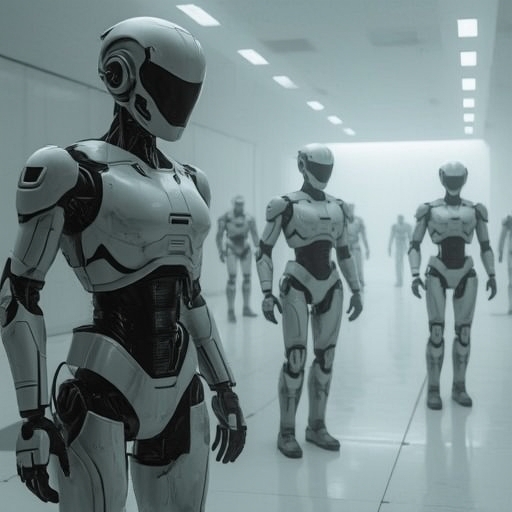
In recent years, rapid advances in artificial intelligence and robotics have begun to reshape not only domestic and industrial applications but also the realm of modern warfare. A young and ambitious technology startup has now taken a daring step by introducing humanoid robots into active test zones in Ukraine, signaling the dawn of a new era in defense innovation. Their stated objective extends well beyond experimentation; within the next decade, they intend to operationalize a class of robotic combatants capable of performing intricate target extraction missions traditionally reserved for highly trained human soldiers.
This groundbreaking experiment provokes both fascination and apprehension in equal measure. On one hand, it embodies human ingenuity at its boldest — the fusion of advanced AI decision-making, robotics engineering, and practical defense applications. The potential advantages are evident: reduced human casualties, the ability to operate in dangerous or inaccessible zones, and the unprecedented precision offered by data-driven targeting systems. Such innovations could dramatically alter the nature of battlefield strategy, much as aerial drones redefined tactical operations in the early 21st century.
Yet, on the other hand, the deployment of humanoid robots as autonomous or semi-autonomous soldiers introduces profound ethical and philosophical dilemmas. Who holds accountability when an AI-driven machine makes a fatal decision in real time? How do principles of humanitarian law, moral reasoning, or emotional judgment translate into algorithmic frameworks? There is also the pressing concern of emotional detachment — warfare directed by code rather than conscience may desensitize societies to violence and erode traditional checks on military aggression.
For policymakers, military strategists, and innovators, this emerging frontier demands urgent consideration. The boundary between defensive technology and artificial autonomy has never been more blurred. A balance must be struck between innovation that promises security and regulation that ensures moral responsibility. The conversations unfolding today will shape whether AI becomes a tool for peacekeeping and protection or a catalyst for ethical disarray.
The testing of humanoid robots in Ukraine thus serves not only as a technological milestone but also as a mirror reflecting humanity’s own values and ambitions. As global powers race to integrate artificial intelligence into defense systems, we must collectively decide what kind of future we are building — one guided by wisdom and restraint or one dictated solely by the relentless momentum of technological progress.
Sourse: https://www.businessinsider.com/foundation-humanoid-robot-soldier-ukraine-testing-2026-4


