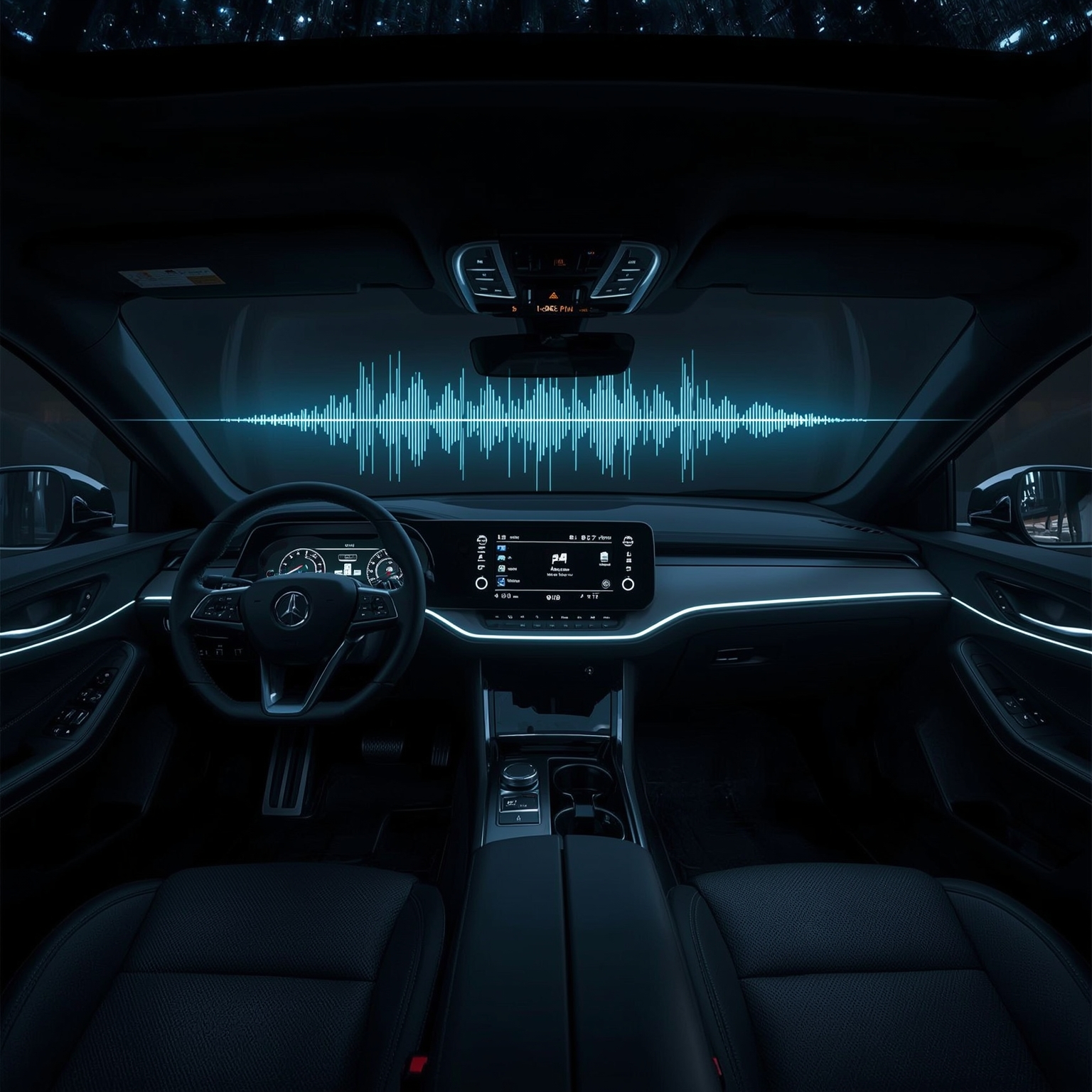
Dolby Atmos, long recognized as the preeminent brand in the field of spatial audio technology for both cinematic and domestic environments, has steadily evolved from an exclusive hallmark of premium entertainment to a symbol of acoustic excellence sought across industries. Once a feature reserved for high-end vehicles made by manufacturers such as Mercedes-Benz, Rivian, Cadillac, and Lucid—each typically commanding prices well above seventy thousand dollars—this powerful three-dimensional audio system has now begun to move beyond the boundaries of the luxury market. In a striking development, Hyundai is introducing Dolby Atmos integration in its new entry-level electric sport utility vehicle, the Elexio EV. This model, designed specifically for the Chinese market at present, ranges between approximately RMB 119,800 and 149,800, equivalent to roughly sixteen thousand eight hundred to twenty-one thousand U.S. dollars, marking a significant democratization of an experience once limited to the elite.
While luxury automakers have traditionally offered Dolby Atmos as part of costly add-on packages that often accompany larger, multi-speaker sound arrays, Hyundai adopts a different approach with the Elexio EV by providing the technology as a standard feature across all configurations. Every version of the vehicle comes equipped with six integrated speakers, ensuring that the immersive soundstage associated with Atmos technology is accessible even in its most basic form. For drivers or passengers seeking an enhanced listening environment, Hyundai offers an optional upgrade to an eight-speaker layout paired with an external amplifier. Although this configuration does not reach the elaborate, multi-dozen-speaker architectures found in models produced by Cadillac, Rivian, or Lucid, the presence of Dolby Atmos—even within a comparatively modest system—has the potential to yield a deeply engaging audio experience. Imagine the sensation of hearing meticulously positioned sounds envelop the cabin as you navigate a morning school run or endure the monotony of heavy traffic; the car itself transforms into a mobile concert hall where depth, clarity, and movement of sound create a sense of space far exceeding expectations for a vehicle in this price bracket.
To further integrate this acoustic advantage into everyday use, Hyundai has partnered with streaming platforms Kugou Music and iQIYI, both of which are native to the Chinese digital entertainment ecosystem. According to a statement released by Dolby, passengers—referred to as occupants of the Elexio—will be able to enjoy an assortment of content including music, films, and serialized dramas rendered in Dolby Atmos directly through the car’s multimedia system. This integration effectively converts the cabin into a compact yet sophisticated entertainment lounge on wheels, a place where audio-visual media can be experienced in an enveloping, high-fidelity form. Of course, any responsible interpretation of this innovation necessitates the reminder that such multimedia indulgence should be reserved for passengers or stationary moments, not while the driver’s focus must remain on the road.
This development invites an intriguing question about the broader trajectory of spatial audio accessibility: could the Elexio EV mark the dawn of a new era in which Dolby Atmos becomes an attainable standard for everyday drivers instead of a rare luxury feature? After having personally experienced the transformative quality of Atmos in several vehicles, the optimism surrounding such a possibility seems well founded. Nonetheless, at this stage, there are no official announcements suggesting that affordable cars equipped with Dolby Atmos will soon be available outside of China. For now, Hyundai’s Elexio stands as a pioneering example—a signal that immersive audio, once reserved for elite audiences, is steadily making its way toward the mainstream consumer market.
Sourse: https://www.theverge.com/tech/811718/dolby-atmos-arrives-in-the-new-affordable-china-exclusive-hyundai-elexio


