My fiancé and I had always envisioned a honeymoon that perfectly captured the essence of adventure and romance—a dream escape set amid the raw, untamed beauty of South Africa. Our plan was to traverse the stunning Cape region, immersing ourselves in its rugged coastal vistas and charming vineyards, before embarking on a long, scenic drive along the magnificent Garden Route, a stretch famed for its breathtaking ocean views and vibrant towns. Eventually, we would loop back through the vast expanse of the Kalahari Desert, whose golden landscapes promised silence, serenity, and starlit nights. There was, however, one rather fundamental obstacle lying between imagination and reality: we first had to get married. The amusing irony was that, for all our meticulous mapping of travel routes, we hadn’t yet chosen—or even seriously discussed—a wedding date.
At that time, we were living together in Johannesburg, his bustling and culturally rich hometown, but both of us were already looking across the Atlantic, eager to return to the United States and begin our new chapter as husband and wife. His proposal, which had come one crisp October evening, seemed perfectly timed in every romantic sense, yet logistically it created an unusual dilemma. Because the height of the Southern Hemisphere’s summer falls between December and February, we suddenly found ourselves racing against the calendar. If we wanted to keep our honeymoon vision intact—complete with warm sunshine, long days, and the lush splendor of African summer—we would need to plan a full-scale wedding almost immediately.
Reality, of course, has a way of complicating even the best intentions. By the time we began searching for available dates, every desirable weekend between December and February was already claimed—either by other couples, work obligations, or friends’ celebrations. Our options quickly narrowed to two stark choices: either we extend our engagement into the following year, thus postponing our honeymoon dream, or we embrace the unconventional and schedule our wedding on a weekday. Against what I initially considered prudent advice, we chose to take the braver, less traditional route. And so, somewhat shockingly to friends and family alike, we decided upon a Tuesday in January for our ceremony.
The decision filled me with both determination and quiet dread. I worried incessantly that the weekday timing would dampen excitement or deter guests from attending. After all, Saturday weddings have long been the natural order of celebration, with Fridays and Sundays occasionally serving as acceptable alternatives. The idea of a midweek affair—sandwiched between commutes, deadlines, and office hours—felt risky and perhaps even inconsiderate. To my great surprise, however, as the invitations went out and the responses began arriving, enthusiasm rolled in instead of polite regret. Friends who might have hesitated under other circumstances responded eagerly, assuring us that they would happily make time to join.
Though their excitement should have quieted my anxiety, I still harbored flashes of doubt. I imagined last-minute cancellations, fatigue after work, or the competing pull of weekday responsibilities. Could we honestly expect that all two hundred invited guests who had RSVP’d “yes” would indeed appear? And as if that uncertainty weren’t enough, we further complicated matters by planning a cocktail-hour reception instead of a formal seated dinner—a decision made out of fiscal pragmatism but one that carried its own risks. We feared some attendees might misunderstand the arrangement and arrive expecting a multi-course meal. The last thing I wanted was a roomful of well-dressed, mildly disgruntled guests realizing their post-work hunger would be met with hors d’oeuvres rather than a banquet.
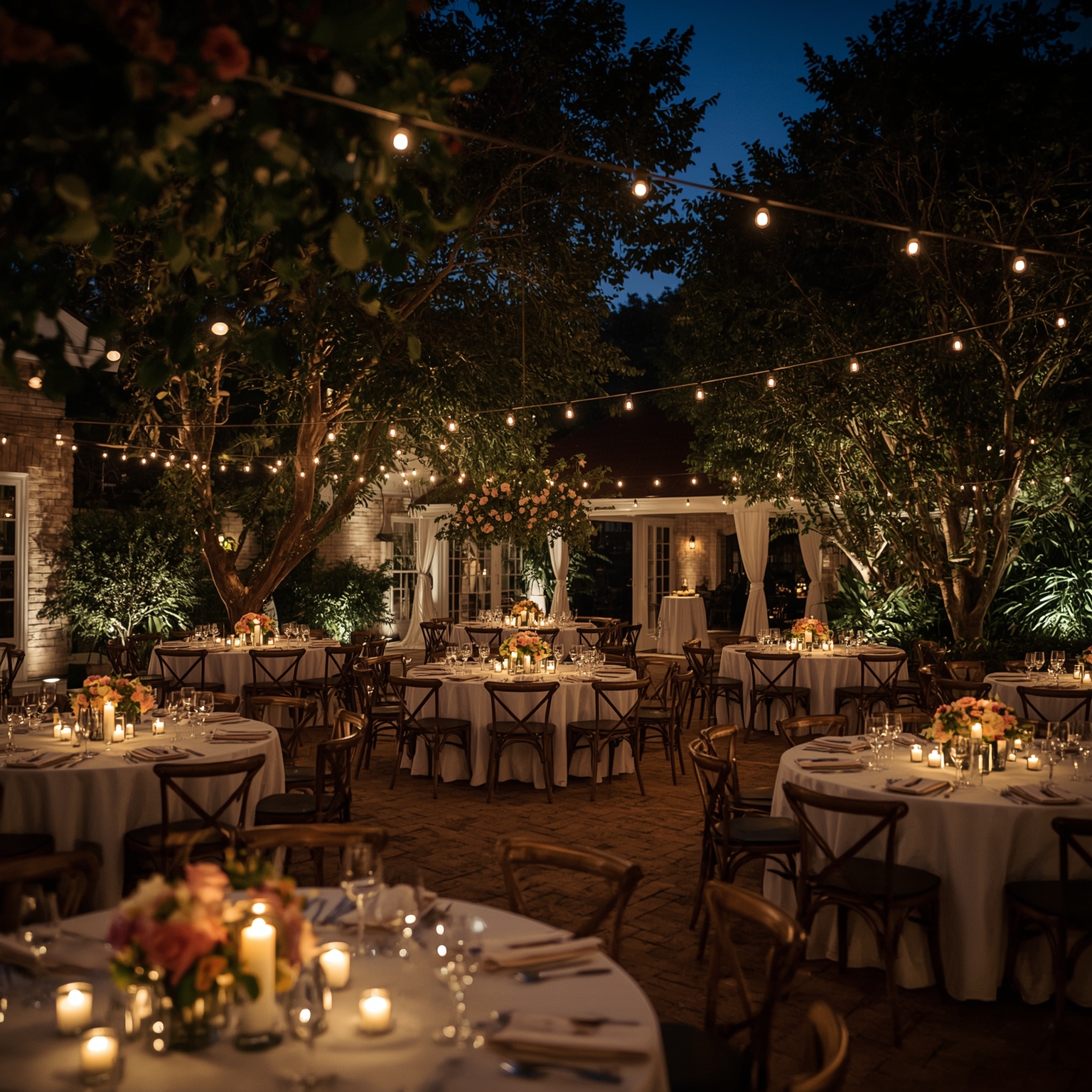
The day finally arrived—Tuesday, January 19, 1988—and with it, a curious mix of nerves and excitement. To our immense relief, everything flowed with an almost cinematic smoothness. Our ceremony took place poolside at my in-laws’ welcoming suburban home at precisely six-thirty in the evening, just as the fading daylight gave way to soft twilight. Every single one of the two hundred guests who had sent their acceptance appeared, transforming the house and garden into an enclave of laughter, music, and wine. Many came directly from their offices, still in business attire, which lent the event an air of unpretentious charm. Without the pressure of black-tie expectations, people seemed freer, more comfortable—perhaps that very casualness was the secret to the evening’s easy joy.
As the ceremony concluded, the reception began with graceful spontaneity. Guests wandered across the manicured lawn, pausing at small clusters of tables and renting chairs, balancing cocktails and brimming plates of hors d’oeuvres. Despite my fears that the ‘light bites only’ concept might cause disappointment, people appeared delighted by the spread. Conversations rippled through the crowd, laughter rang out, and the sparkling lights reflected on the pool created a setting that felt intimate and festive at once. It turned out that weekday weddings, when executed thoughtfully, are largely about managing expectations—understanding the rhythm of a normal workday and shaping celebration around it rather than against it.
Looking back now, decades later, I remain astonished not only that nearly ninety percent of our invitees attended but also that the entire evening unfolded with such remarkable ease. Still, I recognize that weekday weddings bring their own unique challenges. Guests traveling from afar face greater logistical hurdles, from securing paid time off to planning overnight accommodations. For couples, too, practicality becomes essential: expecting office-bound attendees to don tuxedos or evening gowns isn’t realistic when most will come directly from work. Likewise, the festivities tend to wind down earlier than their weekend counterparts—after all, Wednesday obligations await.
Yet within those limitations lies profound beauty. Because weekday weddings often gather primarily local friends and family, they foster a sense of intimacy that can be elusive in larger, more formal weekend affairs. The mood often feels less orchestrated and more heartfelt. And from a budgetary standpoint, hosting an event midweek can dramatically reduce costs—venues, caterers, and florists frequently offer lower rates on days outside the traditional Saturday rush. For couples conscious of both finances and atmosphere, that combination can be transformative.
If you ever receive an invitation to a non-weekend wedding, my best advice is to approach it with an open mind. While the notion of attending a celebration on a work night may initially sound daunting, it can become a much-needed midweek reprieve—an opportunity to share joy in an unexpected moment. In our case, it proved to be far more than I’d dared hope. The evening blossomed into a celebration brimming with energy and warmth. When people ask about our wedding now, I find myself summarizing it with amused fondness: my mother doing tequila shots with my husband’s cousin, our best man and maid of honor dancing animatedly atop tables as the night drew to a close. It was, without question, a magical night. And truly, not bad at all—for a Tuesday.
Sourse: https://www.businessinsider.com/had-tuesday-wedding-most-guests-showed-up-benefits-drawbacks-2025-10