Embarking on the new, government-endorsed $15-a-day protein-forward diet revealed far more than a simple cost experiment—it became an exercise in planning, adaptation, and mindful eating. Over the course of one week, we sought to uncover whether nutritious, satisfying meals could genuinely fit within a tight daily budget while still meeting the standards of a high-protein lifestyle promoted by current nutritional guidelines.
To begin, the challenge required a meticulous approach to grocery shopping. Each dollar had to be stretched strategically, prioritizing essential macronutrients and ingredients that provided the highest nutritional return for their cost. Staples such as eggs, legumes, oats, canned tuna, and chicken thighs quickly established themselves as the foundation of the plan. Balancing affordability with freshness often meant relying on frozen vegetables and bulk grains instead of more expensive fresh produce or specialty items. This wasn’t just about saving money—it was about learning to see value in variety, versatility, and preparation.
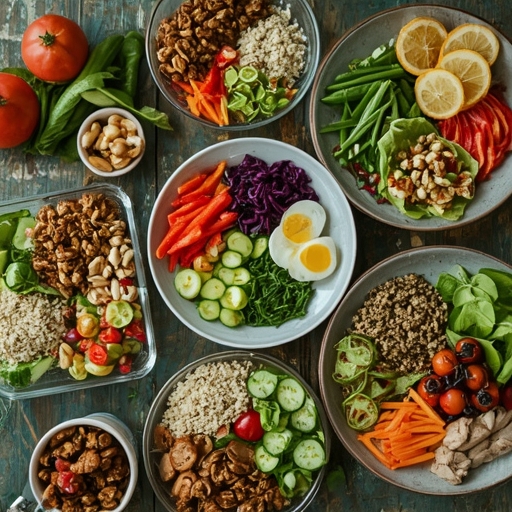
The week unfolded with a surprising rhythm. Mornings were anchored by simple yet sustaining choices: scrambled eggs paired with spinach and oats enhanced with a spoonful of peanut butter. Midday meals often revolved around satisfying combinations of proteins and complex carbohydrates, such as lentil bowls with roasted vegetables or tuna mixed with brown rice, olive oil, and herbs. Dinners brought the most room for creativity, from stir-fried chicken and broccoli with soy sauce to chickpea curries complemented by whole-grain bread. Despite the constraints, flavor and balance remained achievable through the clever use of spices, sauces, and cooking techniques that elevated humble ingredients into enjoyable meals.
Still, the experiment offered its fair share of challenges. While the initial excitement of a structured plan encouraged discipline, by midweek the monotony of recurring ingredients began to test endurance. Prepping meals daily required both time and consistency—luxuries not everyone can afford. In addition, maintaining a precise protein intake within the budget sometimes came at the expense of variety in fruits and healthy fats.
Yet the most revealing takeaway extended beyond numbers and recipes. The experience underscored how intentional planning fosters an appreciation for every meal and a deeper awareness of what food truly costs. Living within such boundaries demonstrated that nutrient-rich eating is possible on a modest budget, but it demands knowledge, patience, and a readiness to adapt.
By the end of the seven-day trial, the lessons became clear: good nutrition isn’t necessarily about extravagant ingredients or costly products—it’s about thoughtful selection, preparation, and balance. The $15-a-day protein diet may not be effortless, but it highlights a powerful truth: with creativity and mindful choices, both health and affordability can coexist at the dinner table.
Sourse: https://www.businessinsider.com/rfk-jr-food-pyramid-diet-guidelines-experience-2026-2