IBM’s recent analysis offers far more than a routine corporate forecast—it captures a fundamental reorientation of the global technology ecosystem. Artificial intelligence is no longer merely a software capability but the foundational element driving how enterprises architect and prioritize their digital infrastructure. As organizations intensify their pursuit of hyper‑efficient, resilient systems, spending patterns are shifting decisively toward AI‑optimized infrastructure and robust cybersecurity frameworks.
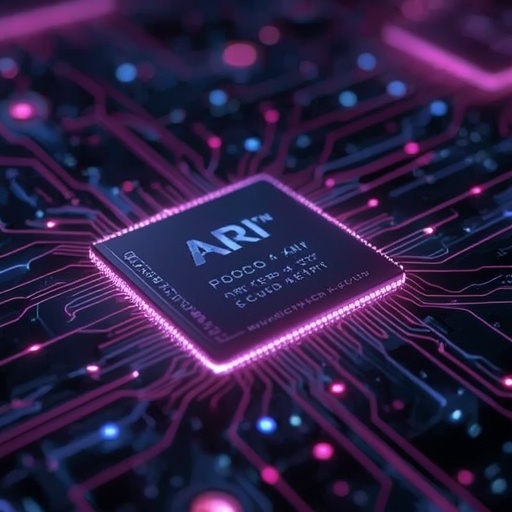
At the core of this evolution lies an unexpected protagonist: the memory chip. Once viewed as a passive component that simply stored data, it now represents a dynamic enabler of the AI revolution. Demand for high‑bandwidth, energy‑efficient memory has surged because AI models process immense datasets that require extraordinary speed and reliability. IBM’s latest observations indicate that this surge is compelling semiconductor manufacturers and infrastructure providers to refine their strategic investments, aligning production cycles and R&D pipelines with the computational intensity of machine learning workloads.
Cybersecurity, in parallel, is undergoing its own transformation. As AI systems become deeply integrated across industries—from finance and healthcare to manufacturing and defense—protecting the data pipelines that train and sustain them has become indispensable. This convergence of AI and cybersecurity has created a self‑reinforcing loop: the more capable AI becomes, the more sophisticated the defenses must be to secure it. Consequently, technology budgets are being rewritten from the ground up, replacing legacy cost allocations with forward‑looking models focused on intelligent automation, responsive infrastructure, and proactive threat mitigation.
IBM’s insights thus illuminate a broader strategic truth: innovation today is inseparable from security and performance efficiency. The companies that will lead the next decade are not merely adopting AI tools; they are reengineering their architectures around them. Memory and compute resources are being treated not as commodities but as strategic assets—a shift that affects everything from data‑center design to global supply chains.
In this sense, the so‑called AI memory chip revolution is not an isolated technological upgrade but a systemic redefinition of what digital progress means. It reflects the fusion of intelligence, speed, and resilience—the essential ingredients for thriving in an era where information, computation, and security are profoundly interdependent.
Sourse: https://www.businessinsider.com/ibm-ai-biggest-winners-draining-tech-budgets-memory-prices-2026-7