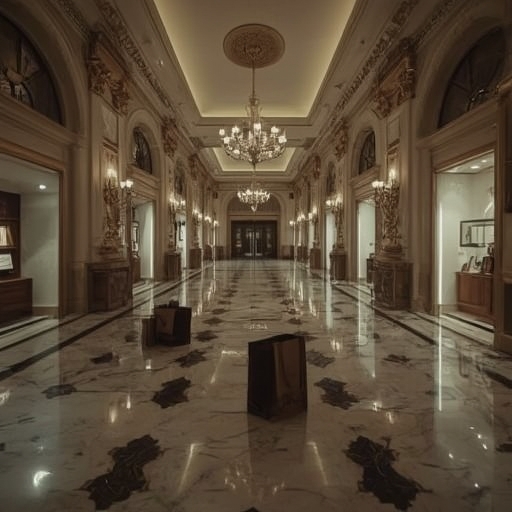
Only a few hours before the official announcement of Saks Fifth Avenue’s bankruptcy, I walked through the storied corridors of its legendary flagship, and the experience was both haunting and revealing. The marble floors still gleamed, the chandeliers still caught the light in perfect refracted elegance, and the fragrance of high-end perfumes lingered faintly in the air. Yet beneath the polished veneer, a more somber story was unfolding—one of dwindling customers, muted conversations among staff, and the quiet dignity of a brand that once defined American luxury now grappling with a stark new reality.
Saks Fifth Avenue has long stood as an emblem of prestige, a sanctuary where generations associated refinement with aspiration. The brand’s meticulous displays, impeccable service, and signature window arrangements embodied an ideal of glamour that seemed untouchable. But that illusion, like many in today’s rapidly evolving retail landscape, has been tested by forces of change far beyond its gilded doors. Shifting consumer behaviors, the dominance of e‑commerce, and a growing preference for experiential rather than material luxury have reshaped how people define indulgence. The opulent setting that once drew steady crowds of loyal patrons now feels like a time capsule—an exquisite reminder of a retail era that may never fully return.
As I wandered past designer racks and the faintly echoing staircases, I could sense the weight of decades of history competing with the relentless march of modernity. Each silent mannequin seemed to represent both achievement and fragility—a tribute to craftsmanship and branding built over nearly a century, yet vulnerable to the new logic of convenience, speed, and digital allure. Employees continued their routines with professionalism, though an unmistakable heaviness hung in the ambiance; they too seemed painfully aware that a defining chapter in retail history was nearing its close.
The bankruptcy itself, though long rumored, felt symbolic rather than merely financial. It marked a seismic shift in how legacy retailers must now redefine success, innovate with purpose, and connect with audiences who expect personalized, tech‑driven experiences while still longing for authenticity and artistry. Saks’s struggles are not isolated—they mirror the challenges faced by countless traditional institutions whose heritage both elevates and confines them. The tragedy lies not in the loss of profitability alone but in the fading of a collective cultural memory, when visiting such a store felt like participating in a ritual of aspiration and beauty.
Leaving the store that day, I glanced once more at the towering façade that had welcomed millions since the early twentieth century. Its grandeur remained undiminished, but the silence inside spoke volumes—a quiet elegy for an industry in transition. Saks Fifth Avenue’s story is, in essence, the story of modern retail itself: a testament to elegance meeting evolution, a reminder that even the most resilient symbols of luxury must eventually reckon with time, technology, and transformation.
Sourse: https://www.businessinsider.com/saks-fifth-avenue-department-store-visit-bankruptcy-images-2026-1