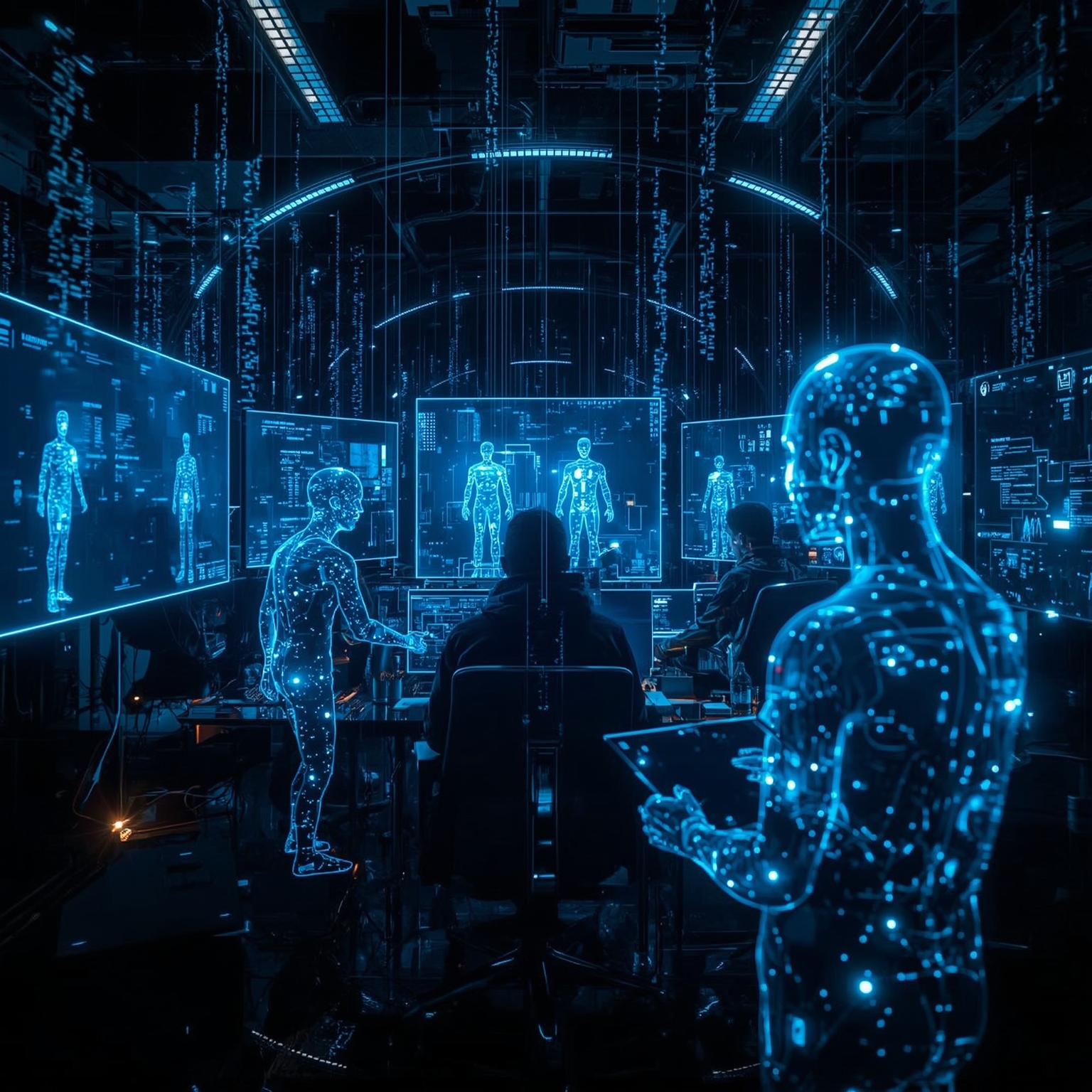
In the pulsating heart of Silicon Valley, the competition to dominate the rapidly evolving domain of artificial intelligence has escalated into an all‑consuming marathon. Engineers, researchers, and visionary technologists are investing an extraordinary proportion of their time—sometimes as much as one hundred hours each week—into pushing the boundaries of what machines can perceive, learn, and create. Their efforts are fueled by the conviction that whoever achieves the next major breakthrough will not only define the trajectory of technological progress but also reshape the global economy, daily life, and even the nature of human creativity itself.
This frenzied pace of innovation has turned the region’s offices, laboratories, and homes into permanent laboratories of invention, where the glow of computer monitors replaces sunlight and caffeine often substitutes for sleep. The drive to stay ahead in this modern‑day arms race is not simply about corporate prestige; it is about ensuring relevance in an age where algorithms are poised to become the most powerful engines of productivity and knowledge. Each new line of code written at 2 a.m. could potentially give birth to tools that revolutionize medicine, finance, education, or communication.
Yet beneath this dazzling surface of progress lies an increasingly uneasy question: how sustainable is such relentless intensity? As organizations demand more rapid results and the line between professional commitment and personal life grows ever thinner, the toll on human well‑being becomes impossible to ignore. The stories emerging from these sleepless corridors speak of exhaustion counterbalanced by ambition, of brilliance threatened by burnout. The paradox of innovation is clear—while human determination propels the machines forward, the humans themselves risk being overwhelmed by the very pace of progress they have unleashed.
At the center of this paradox is a profound cultural challenge. If artificial intelligence is indeed to define the next century, then those shaping it must find a way to balance unbounded innovation with humane sustainability. Thought leaders and executives across the technology landscape are beginning to confront this dilemma: how can we continue accelerating discovery without eroding the human foundation that makes discovery possible? Some propose new organizational models that emphasize mental well‑being, equitable workloads, and long‑term vision over short‑term results; others argue that this brutal pace is simply the price of progress in a field moving at exponential speed.
Ultimately, the story of Silicon Valley’s 100‑hour workweeks is not merely a tale of ambition, but a reflection of the profound tension between creation and capacity—between the limitless potential of technology and the finite energy of its creators. As these innovators labor through sleepless nights, they are not only building the future of artificial intelligence; they are also testing the boundaries of what it means to be human in an age increasingly defined by machines. The question that remains is whether the future of AI can be forged responsibly—one where progress honors both the promise of technology and the well‑being of those dedicated to bringing it to life.
Sourse: https://www.wsj.com/tech/ai/ai-race-tech-workers-schedule-1ea9a116?mod=rss_Technology