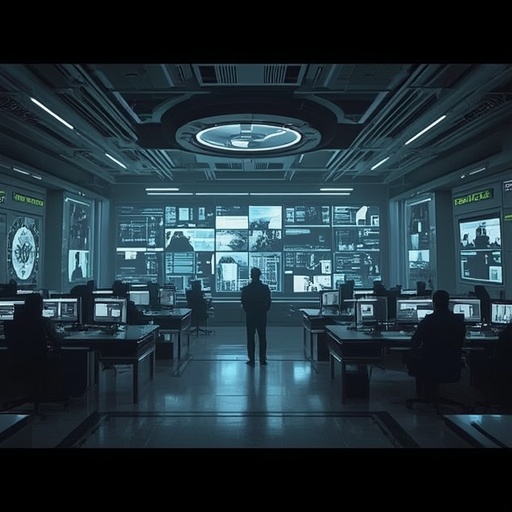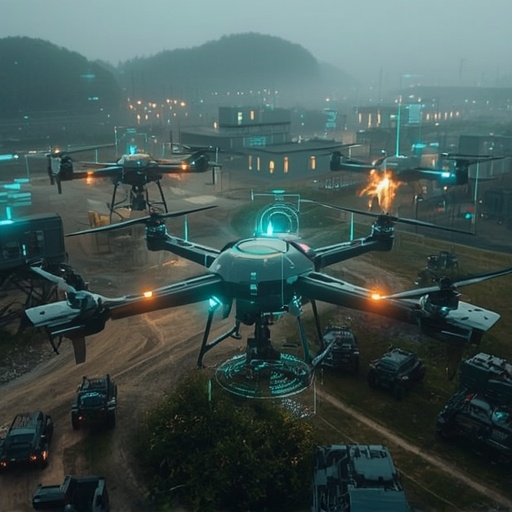
Ukraine stands at the forefront of an extraordinary transformation in the way wars are fought, driven by rapid advances in robotics, artificial intelligence, and unmanned systems. What was once the realm of science fiction has now become an urgent technological reality, as drones, robotic ground vehicles, and AI-assisted targeting systems redefine how soldiers engage, strategists plan, and nations defend themselves. This evolution is not merely a shift in weapons but a paradigm change in the entire philosophy of conflict — where machines, automation, and data-driven decision-making increasingly share, and even surpass, the responsibilities once reserved for humans.
In Ukraine’s case, necessity has become the mother of innovation. Facing relentless aggression, the country has transformed into one of the world’s most dynamic laboratories of wartime technological experimentation. Civilian engineers, military technologists, and volunteer innovators collaborate to create drones capable of both reconnaissance and precision strikes. These devices are rapidly iterated, improved, and deployed, often within weeks rather than years — a pace unheard of in traditional defense manufacturing. Ground robots, too, are entering the battlefield to deliver supplies, evacuate the wounded, and even engage in front-line operations, reducing the human exposure to lethal danger.
Artificial intelligence serves as the linchpin of this robotic revolution. It enables machines to analyze vast flows of battlefield data in real time, identify enemy positions, and navigate hazardous terrain without constant human direction. The result is a decentralized, highly adaptive model of warfare that can respond instantly to shifting threats. This not only enhances tactical efficiency but also compels military strategists worldwide to rethink doctrines long considered unchangeable. The line separating human cognition and machine autonomy is blurring, suggesting a future where human oversight may coexist with — rather than dominate — artificial judgment.
Beyond the immediate conflict, Ukraine’s war-driven technological innovation is setting a precedent for how militaries around the world may adapt in the coming decades. Lessons learned from improvised battlefield robotics, swarm drone coordination, and rapid prototyping will ripple into defense industries globally. The implications extend far beyond warfare: emergency response, logistics, and infrastructure management may all benefit from technologies born under the pressures of survival.
Ultimately, Ukraine’s robotic revolution illustrates both the promise and peril of modern innovation. On one hand, it embodies courage, ingenuity, and the drive to safeguard human lives through technology. On the other, it reminds the world that every technological leap in defense also redefines moral and strategic boundaries. As drones and AI continue to evolve, the frontier of warfare — now shared between human intellect and machine precision — will shape not only the outcome of a single war but the future of global security itself.
Sourse: https://www.businessinsider.com/inside-ukraines-war-robot-revolution-2026-7