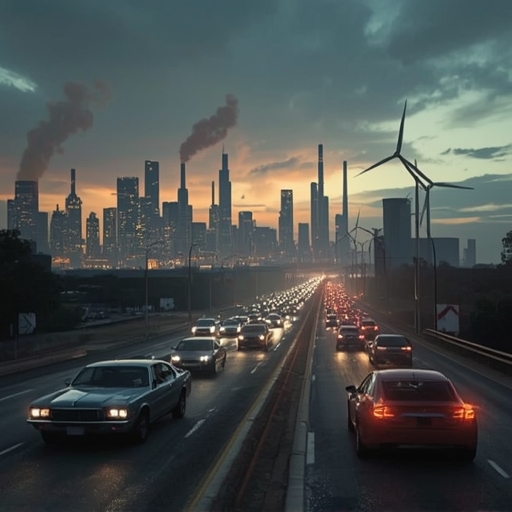
Once celebrated as the beating heart of global innovation and industrial might, the American automotive industry now finds itself at a defining crossroads—an era in which its historical dominance is increasingly challenged by the rapid technological ascent of competitors across the globe. What was once the world’s premier bastion of creativity, engineering excellence, and economic strength has grown uncertain, shadowed by a crisis of identity and direction. The automobile, that quintessential American symbol of freedom and progress, now faces an imperative transformation driven by electrification, sustainability, and globalized innovation.
For generations, names like Ford, General Motors, and Chrysler embodied not only the promise of mobility but also the cultural spirit of an entire nation—one that valued ingenuity, resilience, and a drive toward reinvention. These companies defined eras, creating machines that were more than modes of transportation; they were statements of social progress and personal independence. Yet, as we venture further into the twenty-first century, the balance of innovation is shifting rapidly. Nations such as Germany, Japan, South Korea, and now China, are investing aggressively in electric vehicle technology, next-generation design, and renewable manufacturing practices. Their focus on research, automation, and environmental responsibility contrasts sharply with the slower, often fragmented adaptation efforts within the United States.
The clear question confronting the industry today is whether America can reclaim its role as an automotive trailblazer—or whether it will concede leadership to others who are redefining the future of transportation. To prevent a decline into irrelevance, a renaissance of ambition is essential. This must include large-scale investments in electric mobility, autonomous technology, clean-energy supply chains, and design philosophy that aligns with the world’s pressing environmental and cultural priorities. Policymakers, innovators, and industry leaders must collaborate to transform factories into hubs of digital production, reskill the workforce, and commit to ecological responsibility without compromising the inventive daring that once made American cars legendary.
The path forward is not merely technological—it is philosophical. The U.S. automotive sector must rediscover its creative confidence, channeling the same spirit that once turned dusty workshops and assembly lines into engines of global change. By pairing American determination with sustainable foresight, the nation can once again define what it means to lead the world on four wheels. Otherwise, the risk looms large that the birthplace of the automobile’s golden age may become a museum to its own legacy, watching from the rearview mirror as others race ahead. The opportunity is there—it simply demands the courage to accelerate toward a bolder, cleaner, and more visionary automotive future.
Sourse: https://www.theverge.com/transportation/882194/america-auto-backwater-ev-loss-detroit-trump-emissions