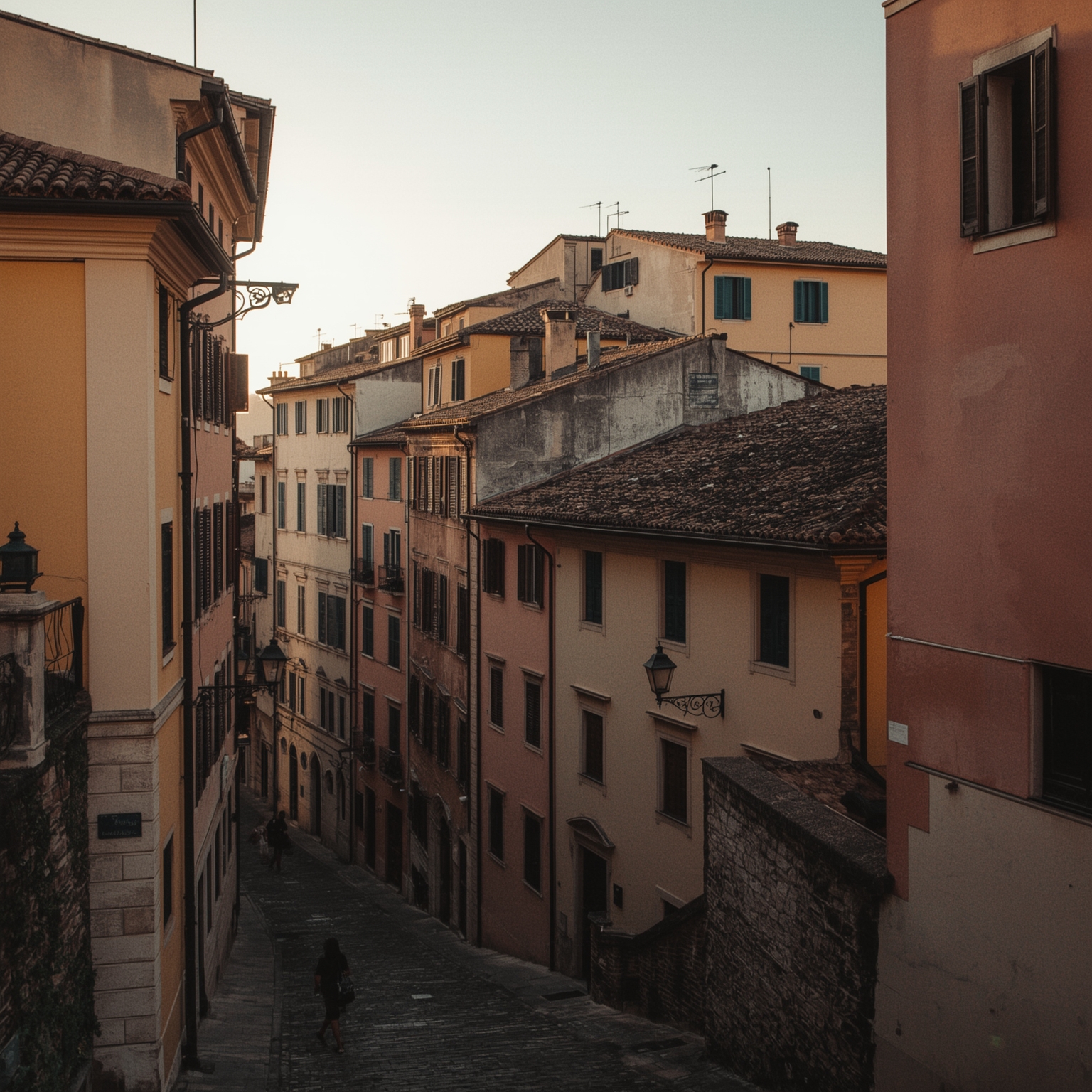
Venice offers an abundance of qualities that can enchant even the most seasoned traveler. Its allure stems not only from its distinctive and centuries-old architecture—those graceful palazzos rising directly from the water and the delicate bridges arching over narrow canals—but also from the city’s long-standing tradition of exquisite craftsmanship, particularly evident in its masterful glasswork. Each blown-glass creation from nearby Murano seems to capture the light and color of the lagoon itself, reflecting a heritage that blends artistry with history. These visual and cultural elements make Venice an extraordinary place, worthy of admiration and wonder.
Yet, despite its many aesthetic charms, my personal experience of the city was shaded by a sense of disappointment, particularly when it came to its culinary scene. The food, which I had hoped would embody the same refinement and regional authenticity I enjoyed elsewhere in Italy, often felt underwhelming—lacking both the depth of flavor and the warmth of presentation that I had come to associate with Italian dining. Beyond that, I was struck by how noticeably higher the prices were across almost all experiences: from simple souvenirs and everyday meals to the guided excursions that promise to reveal the city’s deeper secrets. Compared to other Italian cities I had explored—places where both quality and affordability coexisted harmoniously—Venice felt distinctly costlier, which subtly diminished the overall enjoyment of my stay.
The city’s layout, while architecturally captivating, presents an entirely different set of challenges to those who wish to explore it on foot. Its famed network of narrow, labyrinthine streets, though romantic in images and stories, can easily confuse even experienced travelers. The constant turns, unexpected dead ends, and sudden crowds spilling into tight alleyways contribute to a sense of both wonder and frustration. This dense configuration, combined with the sheer volume of tourists, often produced a tangible feeling of congestion—an atmosphere that made genuine moments of peaceful discovery rather difficult to come by.
Adding to the complexity of visiting Venice today is the necessity for additional preparation before arrival. The city has now introduced specific measures to manage the overwhelming number of tourists, including a requirement for visitors to obtain tourism permits on designated days. While this policy aims to protect the delicate infrastructure and preserve the resident community’s quality of life, it inevitably demands more forethought and organization from travelers, turning what once might have been a spontaneous trip into a carefully planned endeavor.
Taking all these factors into consideration—the elevated costs, the challenges of navigating its winding footpaths, the dense crowds, and the bureaucratic requirements of visiting—it seems unlikely that I will choose to return to Venice for another visit in the foreseeable future. My appreciation for its beauty remains intact, but the practical and emotional aspects of the experience make it one I feel I have now fully encountered.
This reflection was first published on May 3, 2025, and was most recently revised and updated on October 16, 2025.
Sourse: https://www.businessinsider.com/favorite-cities-italy-places-not-worth-visiting-from-traveler