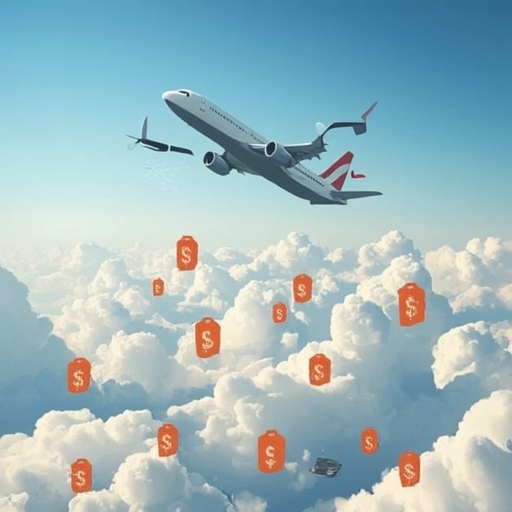
JetBlue Airways has formally announced an upward adjustment in its checked baggage fees — a decision the airline attributes to the dual pressures of escalating fuel prices and the overall increase in operating expenditures. While this may appear as a minor policy shift at first glance, it reflects a broader trend across the commercial aviation sector, where carriers continue to grapple with soaring costs driven by inflation, supply chain constraints, and fluctuating energy prices.
According to JetBlue, the principal rationale behind the fee increase lies in the sustained rise in jet fuel prices, which represent one of the most significant and volatile expenses for any airline. Fuel costs have surged in recent years, and with global energy markets remaining unpredictable, carriers have sought various ways to offset these burdens. Adjusting ancillary fees — including those associated with checked luggage — has become one of the most immediate and controllable strategies for doing so. In essence, by redistributing these costs to passengers, airlines attempt to preserve margins without making more disruptive changes such as route reductions or capacity constraints.
However, this change also underscores the delicate equilibrium airlines must maintain between financial stability and maintaining customer satisfaction. For many travelers, checked luggage fees have long symbolized an unwelcome fragment of the modern flying experience — one that stands in contrast to the all-inclusive pricing models of decades past. As JetBlue joins other major carriers in revising its fee structures, passengers may perceive this as yet another indicator of how inflation and operational stress continue to reach the consumer level.
The implications stretch beyond economics alone. These incremental increases affect how travelers plan their trips: lightweight packing, the preference for carry-on bags, and the comparison of total trip costs — beyond just the ticket price — have become integral to consumer decision-making. In an era where travelers are increasingly price sensitive and vocal on social platforms, even modest fee changes can influence brand loyalty and booking preferences.
Ultimately, JetBlue’s adjustment serves as both a response to immediate fiscal realities and a reflection of an evolving industry landscape. Airlines face immense financial headwinds — from energy dependence to regulatory demands and post-pandemic recovery costs — all of which necessitate difficult but strategic decisions. Whether passengers view these moves as pragmatic business necessities or unnecessary burdens will depend on their individual travel habits and expectations. Yet the underlying message remains clear: as operating costs continue their ascent, the realities of modern air travel are becoming more expensive for nearly everyone involved.
Sourse: https://www.businessinsider.com/jetblue-hikes-checked-bag-fees-citing-rising-operating-costs-2026-3